
Flash Flood Warnings Active as Severe Storms Sweep the Nation
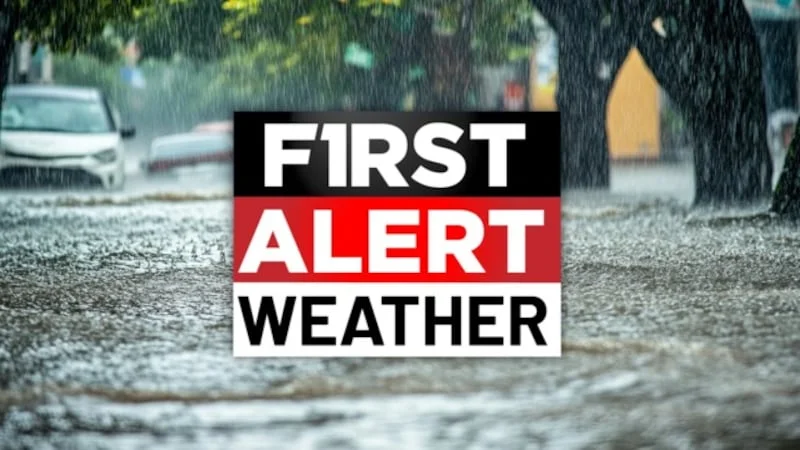
The National Weather Service issued a flash flood warning for the Baton Rouge area early Saturday morning, as thunderstorms dumped 2 to 3 inches of rain across several Louisiana parishes. The warning, effective until 11:15 a.m., covers Ascension, East Baton Rouge, Iberville, Livingston, and West Baton Rouge parishes, with forecasters warning that an additional 1 to 2 inches of rain could trigger dangerous flooding in low-lying and urban areas.
This alert comes just days after a broader pattern of severe thunderstorms pummeled parts of the Northeast, Intermountain West, and Northern Rockies, where hundreds of thousands were urged to take shelter. On Wednesday, the NWS issued severe thunderstorm warnings across New York, Utah, Idaho, Montana, and West Virginia, with some storms producing wind gusts up to 70 mph and hail the size of quarters. In central New York, cities including Syracuse, Oswego, and Auburn were told to expect rapid storm movement and potential damage to roofs, siding, and vehicles.
What the Warnings Mean
A flash flood warning indicates that flooding is imminent or already occurring. Unlike a watch, which means conditions are favorable, a warning demands immediate action. Residents in affected areas are urged to move to higher ground and avoid driving through flooded roads. The NWS emphasized that just six inches of moving water can knock a person down, and one foot of water can sweep away a vehicle.
In Baton Rouge, the NWS New Orleans office upgraded a flood advisory issued earlier Saturday morning to a flash flood warning as rainfall rates intensified. The quick onset of heavy rain, especially in urban environments with poor drainage, raises the risk of street flooding and water entering homes and businesses.
Why the Stakes Are High This Spring
The recent flash flood warning and severe thunderstorm activity highlight a volatile start to the 2026 spring severe weather season. While some regions have seen above-average storm activity, others have experienced a notable lull, creating a sharp contrast in weather hazards across the United States.
North Carolina, for instance, has seen only 41% of its average severe weather warnings so far this spring, according to WRAL meteorologist Chris Michaels. The state has recorded just one flash flood warning through May, compared to an average of 15, and only 81 severe thunderstorm warnings versus the typical 200. Persistent high pressure over the Eastern U.S. has suppressed storm development, leading to widespread drought conditions. However, meteorologists warn that if the pattern shifts to a wetter regime, the return of moisture could fuel stronger, more dangerous storms.
A Tale of Two Weather Patterns
The contrast between regions is stark. While Louisiana faces flash flooding and the Northeast braces for severe thunderstorms, parts of the West and Plains are dealing with damaging winds and hail. The NWS reported gusts of 70 mph in southeastern Idaho, northern Utah, and southwestern Montana, where officials warned of “considerable” damage to trees, mobile homes, and outbuildings. In West Virginia, storms with 60 mph winds and quarter-size hail threatened Doddridge, Lewis, Upshur, and Harrison counties.
This variability is driven by a persistent jet stream pattern that channels storm systems through the central and northern Rockies before sweeping them into the Midwest and Northeast. Meanwhile, the Southeast remains trapped under a ridge of high pressure, suppressing rain and thunderstorms alike. For drought-stricken areas like North Carolina, the lack of storms means relief from immediate danger but growing concern over water shortages and agricultural impacts.
Broader Implications: What This Changes for Weather Preparedness
The flash flood warning in Baton Rouge and the widespread severe thunderstorm warnings across multiple states serve as a reminder that spring 2026 is shaping up to be a season of extremes. For communities in the path of these storms, the immediate concern is safety, but the long-term implications reach into emergency management, infrastructure planning, and public awareness.
Climate Trends and Storm Frequency
Meteorologists have noted that the concentration of severe storms in certain corridors, while other regions remain quiet, fits a pattern observed in recent years. A warming climate can increase the amount of moisture in the atmosphere, potentially leading to heavier rainfall events when storms do develop. This means that even a single thunderstorm can produce flash flooding, as seen in Baton Rouge, where 2 to 3 inches fell in just a few hours.
For emergency managers, the takeaway is clear: flash flood warnings and severe thunderstorm warnings cannot be taken lightly, even in areas that have experienced a drought-induced lull. The sudden shift from dry conditions to torrential rain can catch residents off guard, especially when streets are hard-baked and less able to absorb water.
Preparedness and Response
Officials urge residents in warning areas to have multiple ways to receive alerts, such as weather radios, smartphone apps, and local news. They also stress the importance of knowing the difference between a watch and a warning. During a flash flood warning, moving to higher ground immediately is critical. During a severe thunderstorm warning, seeking shelter in an interior room on the lowest floor can save lives.
In the coming weeks, forecasters will be watching for changes in the large-scale weather pattern. If the eastern ridge breaks down, it could open the door for more organized storm systems, potentially bringing severe weather and flash flood risks to areas that have so far been spared. For now, the focus remains on the immediate threats: rising water in Baton Rouge and damaging winds across the Northeast and West.
As the spring season continues, the flash flood warning in Louisiana and the severe thunderstorm warnings elsewhere underscore the need for constant vigilance. Whether it is the quiet before the storm or the storm itself, being prepared is the best defense against nature’s unpredictability.
Comments