
Emergency Landing at Luke Air Force Base Amid Severe Phoenix Storm
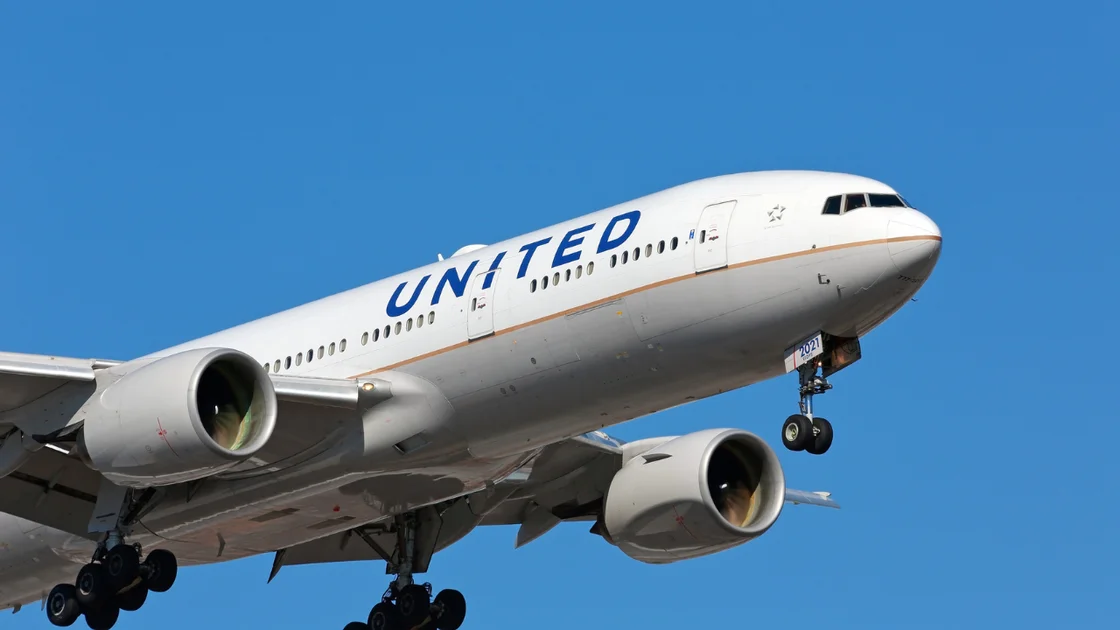
A United Airlines flight en route from Houston to Phoenix was forced to make an emergency landing at Luke Air Force Base on Monday evening as severe thunderstorms and high winds swept across Arizona’s Valley region. The diversion underscored the challenges pilots face when rapidly changing weather conditions close primary airports and limit alternative landing options.
United Airlines Flight 2078, a Boeing 737-900 carrying 154 passengers and six crew members, departed George Bush Intercontinental Airport at approximately 7:49 p.m. local time. The flight was scheduled to arrive at Phoenix Sky Harbor International Airport, but worsening conditions forced the crew to seek an alternative. According to air traffic control recordings, the pilot first attempted to land at Goodyear Airport but was told the facility could not accommodate the aircraft. Controllers also ruled out Glendale Airport due to its short runway, leaving only one viable option: Luke Air Force Base, a military installation in Glendale, Arizona.
“They’re telling me that I cannot land at Goodyear — not capable for our aircraft — so, uh, anywhere else would you suggest going, sir?” the pilot asked controllers, according to audio obtained by local news outlets. Controllers responded, “You have Luke Air Force Base, but that’s an Air Force Base.” The crew promptly declared an emergency, and controllers confirmed the status, saying, “If you’re an emergency, you’re an emergency.”
The aircraft landed without incident at approximately 8:49 p.m. local time. Passengers remained on board for roughly two hours before being transported by bus to Phoenix Sky Harbor, about 15 miles away. United Airlines confirmed that the flight crew “elected to land at Luke Air Force Base in Glendale, Arizona as the safest course of action” due to the dangerous weather. The plane itself is expected to fly empty back to Houston on Tuesday.
Why This Matters: A Rare Diversion Raises Questions About Airport Resilience
The decision to land a commercial airliner at an active military base is highly unusual. Cary Grant, an aviation expert and professor of aeronautical science at Embry-Riddle Aeronautical University, told reporters that such an occurrence was without precedent in his career. “It’s very unusual for a civilian airplane to use a military airfield as an alternate airfield,” Grant said, adding that he was grateful the base was open and available.
The diversion highlights potential gaps in the region’s aviation infrastructure during extreme weather events. Phoenix Sky Harbor was under a ground stop due to thunderstorms, and winds at the airport reached 68 mph. The pilot’s search for an alternative runway revealed that two nearby civilian airports—Goodyear and Glendale—were unsuitable for the Boeing 737-900, leaving only the military base as a safe option. Aviation safety experts say this underscores the importance of ensuring that regional airports have the capability to handle large commercial aircraft during emergencies.
Passengers Describe an Unexpected Night
For passengers like Gina Sullivan, the experience was unsettling. She told reporters that she noticed the aircraft changing course and flying in unusual patterns. “I noticed we started going different patterns, you know, up and down and around,” Sullivan said. “I said, well, something’s not right.” After landing, Sullivan realized they were not at their intended destination. “Next thing you know, we land and I’m like, well, this is not Phoenix,” she recalled.
The pilot informed passengers that the diversion was a first for him as well, reassuring them that his priority was their safety. “He said this has never happened to him before. This is the first for him, but he was going to make sure his passengers got on the ground safely,” Sullivan said.
Broader Implications: Severe Weather, Aviation Safety, and Civil-Military Cooperation
This incident is part of a larger pattern of weather-related disruptions affecting air travel in 2026. The same storm system that forced Flight 2078 to divert also knocked out power to thousands of homes across the Phoenix area and caused flight cancellations at other airports. Meanwhile, in a separate incident on the same day, a single-engine plane made an emergency landing on a highway in Randolph County, West Virginia, after losing power due to fuel exhaustion, and a recent EasyJet Flight Turns Back to Tenerife After 10-Person Mid-Air Brawl showed that in-flight emergencies can take many forms.
The successful landing at Luke Air Force Base also demonstrates the critical role military installations can play in civilian aviation safety net. While such landings are rare—and involve complex coordination with the Department of Defense—they provide a backup option when civilian airports are unavailable. United Airlines publicly thanked the Air Force and Phoenix Sky Harbor teams “for finding a solution for our customers on this flight.”
Looking ahead, aviation experts suggest that airlines and regulators may need to reassess contingency plans for severe weather events, particularly as climate change is expected to increase the frequency and intensity of thunderstorms. The incident also serves as a reminder for passengers to stay informed about weather conditions at their destination and to prepare for potential diversions.
Conclusion
United Flight 2078’s emergency landing at Luke Air Force Base was a textbook example of calm professionalism under pressure. The pilot’s clear communication with air traffic controllers, the rapid decision-making, and the cooperation between civilian and military authorities ensured that 160 people arrived safely on the ground. As severe weather continues to challenge air travel, such incidents highlight both the vulnerabilities and the resilience of the aviation system.
Comments