
Mountain Rescue Saves German Teenagers Stranded at Closed South Tyrol Refuge
Two German brothers, aged 13 and 16, were rescued in the early hours of Sunday after being left to continue a hike alone by their parents in South Tyrol, Italy. The teenagers became stranded at more than 2,300 meters above sea level in front of the Bonnerhütte, a mountain refuge that had been closed for the season for over a week. The emergency call was placed around 1:00 a.m., prompting a nighttime operation by the Pustertal mountain rescue service.
According to the rescue service, the boys had climbed more than 1,000 vertical meters from Toblach (Dobbiaco) with their parents before the parents turned back after a few hours, allowing the teenagers to proceed on their own. The parents had agreed to let the boys spend the night at the hut, believing them to be sufficiently experienced hikers, but failed to check the refuge's opening status. When the brothers arrived in the dark, they found the building locked and had no shelter from sub-freezing temperatures at altitude.
Severe Hypothermia and Hospital Treatment
A spokesperson for the Pustertal mountain rescue unit told the German Press Agency (dpa) that both teenagers suffered from severe hypothermia due to the high-altitude cold. One of the boys vomited from the exposure. Rescuers transported the brothers to a hospital, where they were treated and subsequently discharged. The rescue service did not release further details about the family's hometown or identity beyond confirming their German origin.
A Historic Hut Locked for the Season
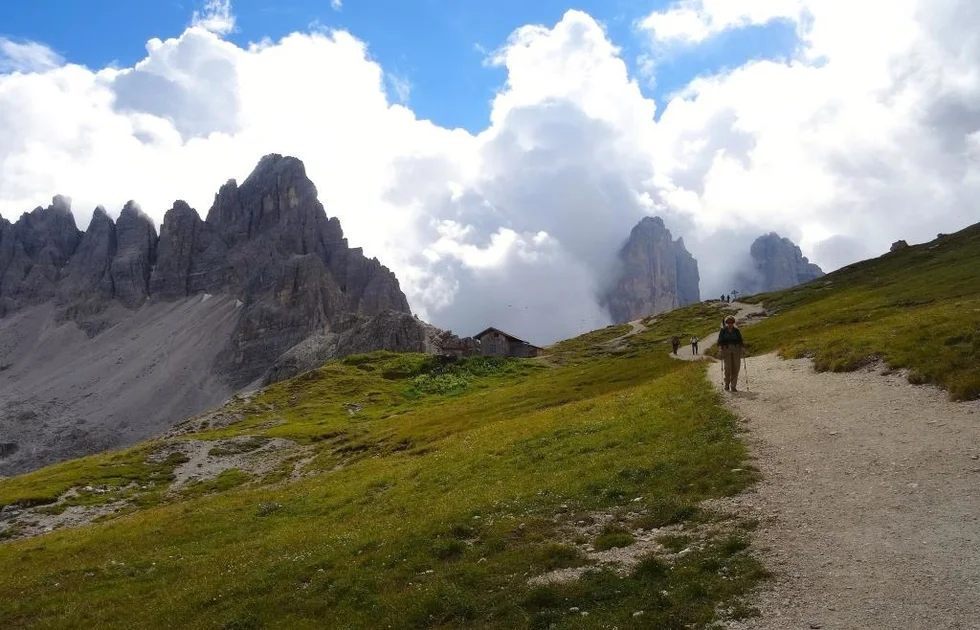
The Bonnerhütte, originally built in 1897 by the Bonn section of the German Alpine Association (DuÖAV), sits high above the valleys in the South Tyrol Dolomites, an area popular with hikers. The historic refuge had been closed for more than a week before the incident, a fact that the parents apparently did not verify. According to reporting by the daily newspaper Dolomiten, the brothers wore sturdy mountain boots but lacked adequate clothing for sub-freezing nighttime conditions at that altitude.
The Rescue Operation
The emergency call at approximately 1:00 a.m. triggered a rapid response from the Pustertal mountain rescue team. The boys were found at the locked hut, exposed to the cold after their ascent. The rescuers provided urgent medical care and transported them to a hospital. The operation highlights the challenges of high-altitude rescues at night, where temperatures can drop rapidly after sunset and weather conditions can shift without warning.
Rescuers Condemn 'Major Recklessness'
A spokesperson for the mountain rescue service characterized the parents' decision as a case of "major recklessness" and "gross negligence." The spokesperson added that such dangerous situations thankfully occur only rarely. The rescue service's assessment underscores the seriousness with which alpine professionals view the incident, particularly given the ages of the children involved and the lack of proper equipment and planning.
The parents had reportedly considered their sons experienced enough to spend the night at the hut, but the failure to check the refuge's operational status proved critical. The hut's closure for the season was not a recent development, having been shut for over a week. The incident has raised questions about parental responsibility and the preparation required for high-altitude hikes, especially when minors are involved.
Hansel and Gretel Comparisons Emerge
The story has drawn comparisons to the Grimm fairy tale "Hansel and Gretel," with Euronews describing it as a "grim fairy tale gone wrong." The parallels are striking: children left to fend for themselves in a remote location, a planned shelter that turns out to be unavailable, and a nighttime rescue. The coverage has amplified public attention on the incident, sparking debate about parental judgment and outdoor safety.
Broader Concerns About Family Hiking Safety
While the rescue service noted that such cases are rare, the incident has resonated beyond the immediate facts. It touches on broader concerns about adventure tourism and family outings in alpine environments, where conditions can change rapidly and unprepared hikers can find themselves in peril. The case also highlights the importance of verifying hut opening times, especially in the shoulder seasons when many refuges close for the year.
What the Incident Means for Alpine Safety
The rescue of the German brothers serves as a cautionary tale for families planning high-altitude hikes. Mountain rescue officials have stressed the need for adequate clothing, proper planning, and supervision of minors in alpine terrain. The incident may prompt renewed attention to safety guidelines and the responsibilities of parents when allowing children to undertake challenging routes.
The Bonnerhütte's status as a closed refuge is a reminder that infrastructure in the mountains is not always available, particularly outside peak season. Hikers should always check opening times and have contingency plans. The rescue service's quick response prevented a more serious outcome, but the case remains a stark example of the risks involved when preparation is neglected.
As the story continues to circulate, it underscores the delicate balance between fostering independence in young hikers and ensuring their safety in environments where mistakes can have severe consequences. The brothers' recovery is a relief, but the incident leaves lingering questions about how such situations can be avoided in the future.
Comments