
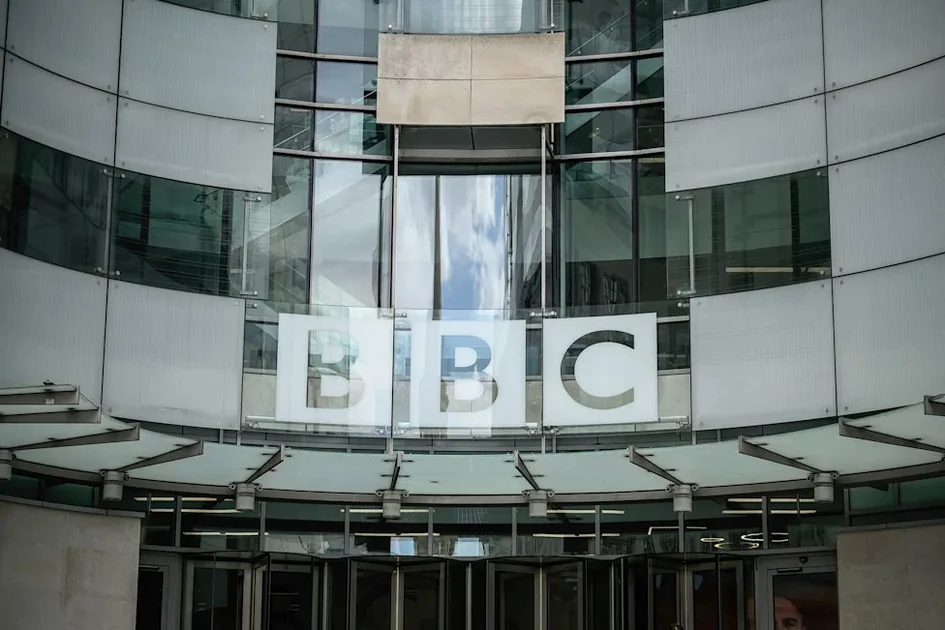
Government May Extend TV License to Streaming Services
The British government is considering a controversial proposal to extend the TV license fee to streaming services such as Netflix, Disney+, and Amazon Prime Video, according to a report by Ampere Analysis. The move could generate an additional £1.6 billion ($2 billion) per year for the BBC by 2032, helping to secure the corporation's financial future as its Royal Charter expires at the end of 2027.
The government is due to publish a white paper by the end of this year outlining its plans for the BBC's license fee and charter renewal. While the proposal is unlikely to prove popular, it reflects growing recognition that the current licensing scheme is "outdated and no longer fit for purpose," as audiences increasingly shift to on-demand viewing.
How the Proposal Would Work
Under the current system, a TV license is required to watch or record live TV on any broadcast channel or to access the BBC iPlayer for on-demand content. A license is not needed for on-demand streaming platforms. Extending the license to cover these services would better reflect modern viewing habits, according to supporters.
If the fee were held at its current level of £180 ($236) per year, the extension could net the BBC up to £1.6 billion annually, according to Ampere Analysis. The government is understood to be weighing several options for reform, though scrapping the license entirely appears unlikely for now. A committee found that other European countries that abolished their license fees ended up with less stable funding for public service broadcasters and weaker independence from political interference.
Context: BBC Funding Under Pressure
The proposal comes amid mounting financial pressure on the BBC. The government has tried to limit fee increases and made the license free for some elderly people, moves that have reduced the corporation's funding and led to service cuts and further dissatisfaction.
A report by the National Audit Office (NAO) found that the BBC will remain under financial pressure despite widespread cuts. In response, the National Union of Journalists (NUJ) urged the government to secure the broadcaster's future in the next charter renewal.
TV licensing has long been controversial, with some people resenting having to pay the BBC for the right to watch television. Extending the fee to streaming services is likely to face significant public opposition, but the government appears to be exploring all options to ensure the BBC's viability in a rapidly changing media landscape.
Streaming's Growing Dominance
The rise of streaming platforms has transformed how audiences consume television. Services like Netflix, Disney+, and Amazon Prime Video have become dominant forces, while traditional broadcasters struggle to retain viewers. The BBC, funded primarily through the license fee, has seen its funding eroded as a result.
The government's white paper, expected by the end of the year, will outline its vision for the BBC's future. The charter renewal process, which expires at the end of 2027, provides an opportunity to reshape the corporation's funding model to better align with contemporary viewing habits.
Perspective: A Defining Moment for Public Broadcasting
The debate over the TV license reflects broader questions about the future of public service broadcasting in the digital age. As streaming services continue to grow, traditional funding models are becoming increasingly untenable. Extending the license fee to streaming platforms could provide a sustainable solution, but it would also represent a significant expansion of the levy's scope and may face legal and political challenges.
Other countries are watching closely. The UK's decision could set a precedent for how public broadcasters are funded in an era of on-demand consumption. However, the proposal is fraught with political risk. Critics argue that extending the license to streaming services amounts to a new tax on popular platforms, potentially driving consumers away from legal services.
The BBC's independence is also at stake. A stable funding mechanism is essential to protect the corporation from political interference, as the committee's findings on European countries demonstrated. The government must balance the need for adequate funding with public acceptance and the BBC's editorial independence.
As the white paper approaches, all eyes will be on whether the government opts for the bold move of extending the license fee to streaming services or seeks alternative reforms. What is clear is that the status quo is no longer sustainable, and the decisions made in the coming months will shape the BBC's future for decades to come.
In related media news, the FCC's bid to challenge ABC's TV licenses was recently halted by a court, underscoring the high stakes involved in broadcast regulation and the First Amendment. Meanwhile, the entertainment industry continues to evolve, with reports that Rockstar Games is offering a $100 million license for a Red Dead Redemption TV series, and GTA 6 cloud streaming hits PS5 and PlayStation Portal, no console required, further illustrating the shifting landscape of media consumption.
Comments