
Asylum seekers to repay £10,000 under new UK law
The UK government has confirmed that asylum seekers granted refugee status will be required to repay approximately £10,000 towards their accommodation and living costs once they start earning, under a new Immigration and Asylum Bill to be presented to Parliament on Tuesday.
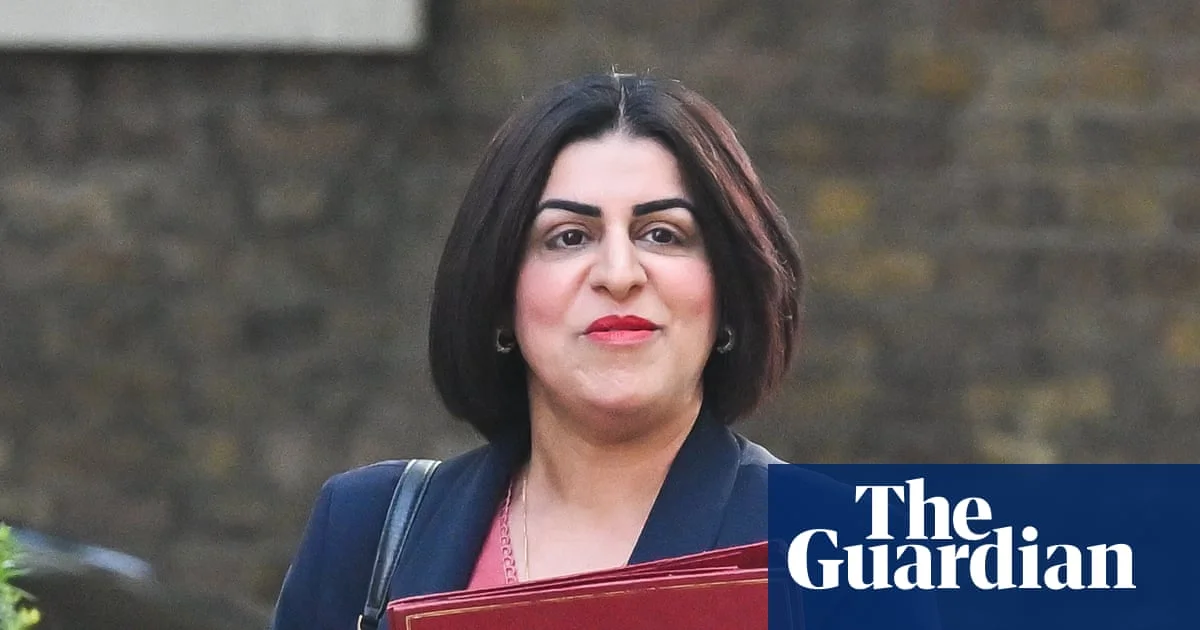
Home Secretary Shabana Mahmood announced the means-tested scheme, which she said would ensure that "once people can contribute and repay the generosity of the British people, we expect them to do so." The repayment is a flat-rate charge that must be paid off before an individual can become eligible for permanent settlement in the UK.
The Home Office has not yet set the exact earnings threshold that would trigger repayments. However, officials have compared the system to student loans, with monthly instalments deducted from income. The home secretary retains the power to adjust the charge and thresholds to prevent migrants from falling into destitution.
Charity backlash over ‘tax on refugees’
Charities have condemned the plan as a punitive measure that places an additional burden on people already fleeing war, torture, and persecution. Imran Hussain, director of external affairs at the Refugee Council, described the repayment scheme as "an extra tax on refugees" that is "unfair, impractical, and makes it much harder for families to rebuild their lives."
Zoe Dexter of the Helen Bamber Foundation called the proposal "performative cruelty" and noted the lack of detail on how the government would address chronic delays in the asylum system. Currently, asylum seekers are banned from working while their claims are assessed, meaning many accumulate debt before they can earn any income.
According to immigration experts, less than 15% of refugees earn more than £20,000 five years after being granted asylum, suggesting the total amount recovered from the scheme would be relatively small. The government spent approximately £4 billion on asylum accommodation and support last year.
New sponsorship route and stricter enforcement
Alongside the repayment scheme, Mahmood also announced a new refugee sponsorship route set to launch this autumn. Voluntary and community groups — including universities, businesses, and charities — will be permitted to sponsor refugees to come to the UK, modelled on Canada’s asylum system.
The Home Office said this would create a "capped safe and legal" pathway for refugees while also tightening rules on human rights and modern slavery claims to root out what it called "vexatious" applications.
Mahmood has previously drawn inspiration from Denmark’s asylum model, introducing temporary protection for refugees and doubling the time migrants must wait for permanent residency. These reforms have angered some Labour MPs who believe more safe and legal routes are needed to prevent dangerous small boat crossings across the English Channel.
The bill is expected to pass through the Commons next week, though its harder-line elements could face opposition from within Labour’s own ranks. The Conservatives have argued that no additional people should be admitted until illegal immigration is stopped, while Reform UK has pledged to reverse the scheme if elected.
Global shift: Canada and New Zealand crack down on misuse
Beyond the UK, other nations are also tightening their asylum systems. In Canada and New Zealand, rejections of asylum claims from Indian nationals have soared amid accusations that extremist networks are exploiting the system.
According to official data obtained by ThePrint, New Zealand rejected 65% of Indian asylum claims in 2024-2025, up from 58% the previous year. Only three claims were approved in each of the past two years. Canadian authorities have similarly intensified scrutiny, especially for claims citing religious persecution from Punjab.
Authorities say tighter screening has dealt a blow to networks of agents and consultants who charge hefty fees to fabricate persecution stories. The trend reflects growing international skepticism toward asylum applications that are found to be "false, fabricated, motivated, or lacking credible evidence."
Broader implications of the asylum clampdown
The simultaneous tightening of asylum rules across multiple Western nations signals a significant shift in global migration policy. Governments are wrestling with rising public concern over immigration, the cost of supporting asylum seekers, and the need to maintain public trust in the system.
In the UK, Mahmood’s dual approach — creating new sponsorship routes while demanding repayment from refugees — aims to balance humanitarian obligations with fiscal realism. However, critics argue that forcing already vulnerable people to repay thousands of pounds will delay their integration, prolong dependence on state support, and undermine the very goal of self-sufficiency.
The success of the new sponsorship route will depend on how many organisations step forward and whether the cap is set high enough to offer a genuine alternative to illegal crossings. Meanwhile, the repayment scheme may face legal challenges from human rights groups.
As election speculation mounts, with Labour’s Andy Burnham expected to become prime minister, the immigration bill has become a key battleground. The coming weeks will test whether the UK can craft an asylum system that is both compassionate and perceived as fair — a challenge that no recent government has fully solved.
For more on global migration trends and legal challenges, see our coverage of the French Justice System Under Scrutiny as High-Profile Trials Hit Critical Junctures and the Pima County Sheriff Dismisses New Video Claim in Nancy Guthrie Case.
Comments