
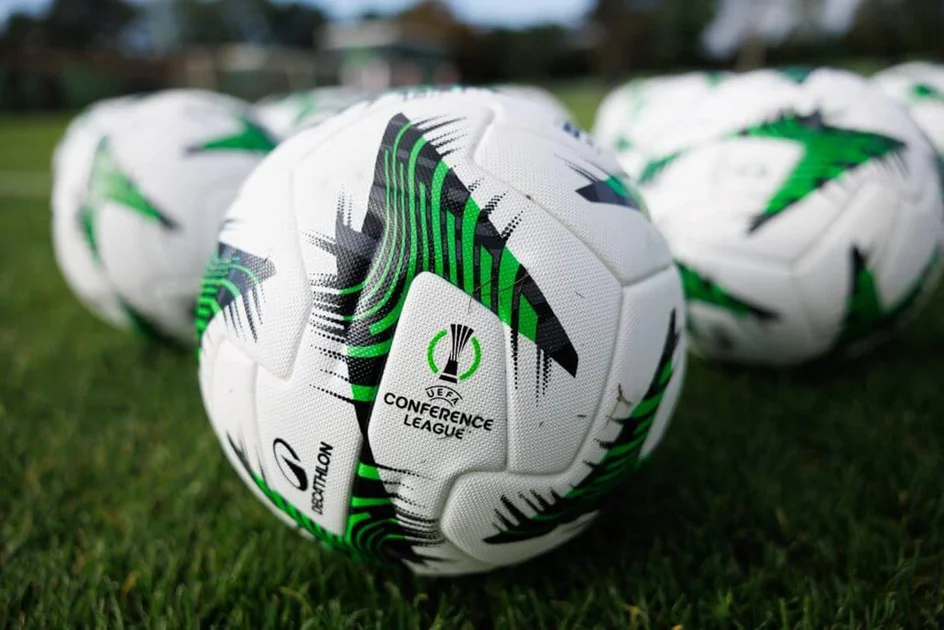
UEFA Bans Turan Tovuz from Conference League Over Historical Match-Fixing Case
European football’s governing body, UEFA, has banned Azerbaijani club PFK Turan Tovuz from participating in next season’s UEFA Conference League, citing the club’s historical involvement in match-fixing activities. The decision, announced on June 3, 2026, comes despite Turan Tovuz finishing third in the Azerbaijan Premier League this season, a position that would ordinarily secure a spot in the competition’s qualifying rounds.
The ban is rooted in UEFA’s Article 4.01(g) of the Conference League regulations, which renders a club ineligible for participation if it has been “directly and/or indirectly involved in activity aimed at arranging or influencing the outcome of a match at national or international level.” UEFA’s Appeals Body confirmed that Turan Tovuz failed to meet the admission criteria based on this provision.
In response, Turan Tovuz issued a defiant statement, asserting that it would appeal UEFA’s verdict to the Court of Arbitration for Sport (CAS). The club emphasized that it had earned its place on sporting merit and that the decision was based on events from six years ago. “In the 2025-26 season, we finished the season in third place, following all sporting principles, and earned the right to play in the Conference League, which we are entitled to,” the club said. Despite the ban, Turan Tovuz confirmed that it would not alter its preseason preparations, including a planned training camp in Turkey.
The 2019 Match-Fixing Scandal
The UEFA ban stems directly from a disciplinary case handled by the Azerbaijan Football Association (AFFA) in December 2019. At that time, AFFA’s Disciplinary Committee imposed lifetime bans from all football-related activities on seven Turan Tovuz players for their involvement in match manipulation. Those players were Gojayev Sanan, Rustamov Misir, Baghirov Emin, Sadigov Ilkin, Mammadov Rufət, Taghiyev Eltay, and Guluzadeh Shahin. In total, 28 individuals were sanctioned by AFFA in connection with the case.
The matches in question took place during the 2019-20 season when Turan Tovuz was competing in the Azerbaijan First Division, the country’s second tier. Although the club itself was not directly sanctioned by AFFA at the time, UEFA’s position is that Turan Tovuz bears responsibility for the actions of its players. Since this is the first time the club has qualified for a UEFA competition since that ruling, the ban is now being enforced.
Why This Matters: A Decade-Long Shadow Over Azerbaijani Football
Turan Tovuz’s ban is not just a setback for the club; it also raises broader questions about UEFA’s oversight of club eligibility and the long reach of historical integrity violations. The club had not competed in European competition since the 1994-95 season, making this a historic return that has now been blocked.
For Azerbaijani football, this is a significant blow. Turan Tovuz’s qualification marked a rare moment of success for a club outside the dominant Qarabag FK, which has consistently represented Azerbaijan in European tournaments. The ban also leaves a vacant spot in the Conference League qualifying rounds, potentially opening the door for another Azerbaijani club, such as Zira, which has already commented on the situation but stated it had received no official communication from AFFA or UEFA.
The timing is particularly painful for Turan Tovuz, as the club had been preparing for its first continental campaign in over three decades. The club’s statement noted that “there are no changes in our preparation plans for the Conference League,” indicating a determination to continue training while pursuing legal recourse.
UEFA’s Stance on Match-Fixing
UEFA has increasingly taken a hard line on match-fixing in recent years, viewing it as one of the most serious threats to the integrity of the sport. Article 4.01(g) is a relatively new addition to UEFA’s competition regulations, designed to give the governing body the power to exclude clubs with tainted histories even if the original offenses occurred years earlier and under different jurisdictions.
This case is part of a broader pattern. Over the past year, UEFA has investigated several clubs across Europe for historical match-fixing allegations, often relying on information from national federations or investigative journalism. The Athletic, for example, has spent the last eight months investigating the threat of match-fixing to the integrity of sport, with reports covering vulnerabilities at the World Cup, corruption in Australian soccer, and links between gambling arrests in U.S. leagues and European scandals.
Turan Tovuz’s Appeal: A Fight for Redemption
Turan Tovuz has vowed to take “all legal steps” to reverse UEFA’s decision. The club will now take its case to the Court of Arbitration for Sport, the highest sporting tribunal, which has the authority to overturn UEFA rulings. The appeal process could take months, potentially leaving the club in limbo as the 2026-27 season approaches.
The club’s legal argument is likely to focus on the distinction between individual player guilt and club responsibility. While the seven players were banned by AFFA in 2019, Turan Tovuz was not itself sanctioned by the national federation at the time. The club may argue that it should not be held retroactively liable for the actions of individuals, especially since those players no longer represent the team.
However, UEFA’s regulations are clear: a club can be deemed ineligible if it has been “directly and/or indirectly involved” in match-fixing activities. By employing players who engaged in fixing, UEFA argues, the club carried a degree of responsibility. The outcome of the CAS appeal will be closely watched by other clubs with similar historical issues.
Broader Implications: The Growing Scrutiny of Match-Fixing in Football
The Turan Tovuz case is the latest in a series of actions by UEFA and other governing bodies aimed at cleaning up football’s image. Match-fixing remains a persistent problem across the globe, driven by illegal gambling networks, organized crime, and, in some cases, financial desperation at smaller clubs.
Investigative reporting has highlighted that match-fixing is not limited to lower leagues or developing nations. Scandals have emerged in top-tier competitions in Europe, Asia, and the Americas. The Athletic’s series, for instance, has documented cases of suspected cartel money infiltrating Australian soccer and the vulnerability of the World Cup to fixers. The gambling industry’s expansion, particularly in the United States, has added new layers of complexity, with authorities struggling to monitor suspicious betting patterns.
For UEFA, banning Turan Tovuz sends a message that historical offenses will not be overlooked when clubs finally qualify for European competitions. This approach mirrors that of other sports organizations, such as the International Olympic Committee, which has retroactively stripped medals from athletes found guilty of doping years after the event.
What This Changes for the Conference League
The 2026/27 Conference League will be the sixth edition of the tournament, which has rapidly grown in prestige since its launch in 2021. English clubs have dominated, with West Ham United winning in 2023, Chelsea in 2024, and Crystal Palace lifting the trophy earlier this month by defeating Rayo Vallecano 1-0 in Leipzig.
Turan Tovuz’s ban means that one of the 64 spots in the competition’s preliminary rounds will now be reassigned. UEFA has not yet announced whether the vacancy will be filled by another Azerbaijani club or redistributed according to the access list. Zira, another Azerbaijani Premier League side, has publicly stated that it has not received any official communication from AFFA or UEFA regarding a possible replacement.
The ban also affects the competitive balance of the qualifying rounds. Turan Tovuz had drawn interest from fans and neutral observers as a romantic story—a small club from a provincial town in western Azerbaijan making a rare appearance on the European stage. Instead, that story has been overshadowed by a scandal that has followed the club for over six years.
The Path Forward: Integrity vs. Second Chances
As Turan Tovuz prepares its appeal, the football world is watching to see whether CAS will side with the club or uphold UEFA’s integrity-first approach. The case raises difficult questions about how long a club should be held accountable for the actions of individuals who may have since left the organization.
Supporters of the ban argue that football must do everything in its power to deter match-fixing, even if that means punishing clubs for past transgressions. Critics contend that the ban is disproportionate, especially since the club itself was not found guilty by AFFA and has since reformed its roster and management.
Meanwhile, the broader fight against match-fixing continues. UEFA has invested heavily in monitoring systems and partnerships with law enforcement agencies to detect suspicious activity. But the problem is deeply entrenched. As one investigator quoted by The Athletic put it, “Only politics and drug trafficking are more lucrative than match-fixing.”
For Turan Tovuz, the immediate future is uncertain. The club will travel to Turkey for preseason training as planned, but the dream of European football remains on hold. Whether that dream is revived by CAS or permanently extinguished by UEFA will determine not only the club’s trajectory but also the precedent for how football handles the long shadow of fixing.
Related: Compensation Talks Delay Enzo Maresca’s Official Start as Manchester City Manager offers a look at how contractual and administrative issues can delay even top-tier coaching appointments, while Jason Ayto Exits Brighton After Just Nine Months as Sporting Director highlights the volatility in football management roles.
Comments