
Jason Ayto Leaves Brighton After Nine Months, Casting Uncertainty Over Summer Window
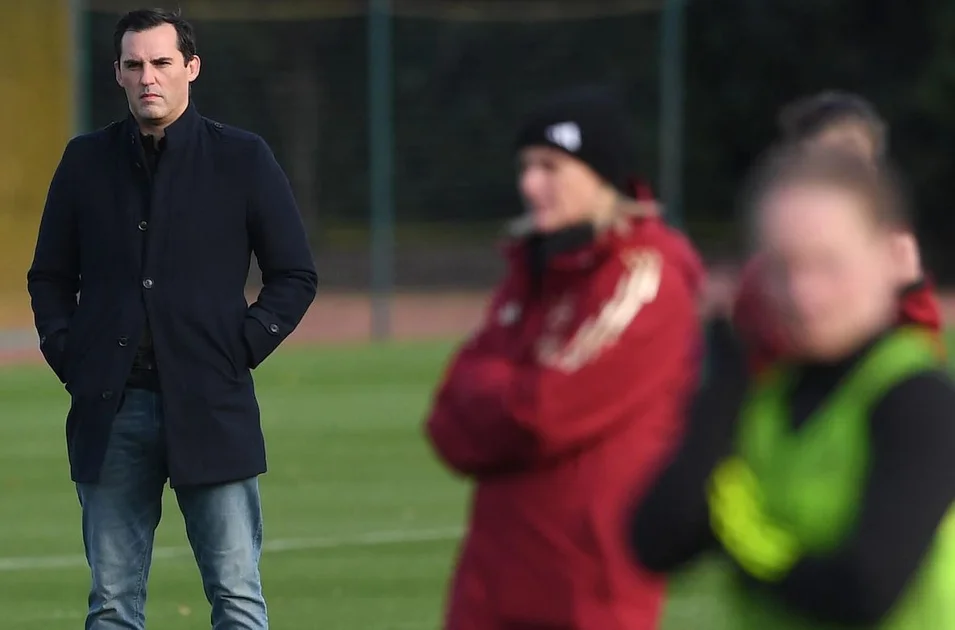
Brighton & Hove Albion have confirmed the departure of sporting director Jason Ayto after just nine months in the role, a development that has sent shockwaves through the club ahead of what was expected to be a pivotal summer transfer window. The 41-year-old, who joined the Seagulls in September 2025 after more than a decade at Arsenal, leaves with immediate effect, leaving technical director Mike Cave to oversee all sporting areas of the club.
Chairman Tony Bloom issued a brief statement on Wednesday: “I’d like to thank Jason for everything he has done for us, and to wish him well for the future.” No further explanation has been provided, leaving fans and pundits alike speculating on the reasons behind the abrupt exit. Ayto had been due to oversee his first full summer transfer window, which opens on June 15, alongside Cave, who was promoted from assistant technical director when Ayto arrived.
Exit Comes Days Before Transfer Window Opens
The timing of Ayto’s departure is particularly striking. With the summer transfer window set to open in less than two weeks, Brighton were expecting significant squad turnover. Multiple sources indicate that the club is bracing for a period of heavy activity, both in terms of departures and arrivals. Players such as Solly March, Joel Veltman, Jan Paul van Hecke, and James Milner — who announced his retirement on Monday — are not expected to feature for Brighton next season.
Ayto had been positioned as the “main man” for this window, working alongside Cave and reporting to chief executive Paul Barber. Now, with Ayto gone, Cave will take the lead on all recruitment and sporting operations, reporting directly to Barber. The club has not indicated whether a replacement will be sought immediately, but the sudden vacancy leaves a leadership vacuum at a critical juncture.
Why This Matters: Brighton’s Ambitious Plans in Jeopardy
Brighton’s model has long been built on shrewd recruitment and player development, often selling high-profile names and reinvesting the proceeds into younger talent. The summer of 2026 was shaping up to be another busy period. The Athletic reported earlier this week that Brighton had earmarked approximately £70 million for new signings, having spent nearly £200 million on nine players in the summer of 2024. Key targets included a right-back to replace the departing Joel Veltman and a centre-forward to alleviate the burden on 35-year-old Danny Welbeck, who has been the primary striker since Joao Pedro’s £60 million sale to Chelsea last summer.
European Football Adds Pressure
Brighton’s qualification for the UEFA Conference League adds another layer of complexity. The club will face a two-legged play-off round in August, followed by a grueling schedule of Thursday European matches and Sunday Premier League fixtures. Manager Fabian Hurzeler had been counting on a deeper squad to manage the increased workload, but the sudden departure of the sporting director — the architect of that recruitment strategy — throws those plans into doubt.
The Conference League campaign is seen as a major opportunity for Brighton to establish themselves as a regular European contender, but also a significant challenge for a squad that has relied on a relatively small core. Without a clear recruitment lead, the club risks losing momentum in a highly competitive transfer market.
What Went Wrong for Ayto at Brighton?
Ayto arrived at Brighton with a strong reputation after 11 years at Arsenal, where he rose from scout to assistant technical director and served as interim sporting director. He was a strong contender for the permanent sporting director role at Arsenal but lost out to former Atletico Madrid executive Andrea Berta last summer. His move to Brighton was seen as a chance to step into a top-tier leadership role at a club renowned for its data-driven approach and player trading expertise.
However, his tenure proved short-lived. Arsenal fans had reportedly warned Brighton supporters about Ayto’s track record, pointing to his inability to close major deals during the winter transfer window before Arsenal “bottled” the league. Critics claimed that while Ayto was capable of identifying talent, he struggled to get complex deals over the line when it mattered most — a weakness that may have resurfaced at Brighton.
Internal Dynamics at Play?
While the club has not commented on the reasons for his departure, sources suggest that the partnership between Ayto and Cave may have been fraught with tension. Cave, who was promoted when Ayto arrived, had been at Brighton for several years and was deeply familiar with the club’s recruitment culture. Ayto, as an outsider, may have struggled to impose his vision or mesh with the existing structure. The Athletic had earlier described the two as working in tandem, with Ayto overseeing all football areas and Cave leading on incoming deals, but the division of responsibilities may have been less clear-cut in practice.
Another possibility is that Ayto’s departure is linked to a broader strategic shift at board level. Chairman Tony Bloom and CEO Paul Barber have built Brighton’s success on a specific operational model, and any deviation from that — whether in recruitment philosophy or negotiation style — may have prompted a swift reassessment.
Broader Implications: What This Means for Brighton and the Premier League
Ayto’s exit is a stark reminder of the volatility that can accompany top-level football administration, even at a club as stable as Brighton. The Seagulls have been a model of consistent growth under Bloom’s ownership, but the departure of a key executive just months into his tenure raises questions about the club’s internal cohesion and decision-making processes.
Recruitment Under Scrutiny
With the transfer window now effectively being led by technical director Mike Cave, the pressure on the recruitment team has intensified. Cave, who has been with Brighton since his promotion last September, will need to hit the ground running. The club’s reputation for identifying undervalued talent — such as Moises Caicedo, Alexis Mac Allister, and Marc Cucurella — has been built on a robust data infrastructure and a clear hierarchy of responsibility. With Ayto gone, that hierarchy must be reshuffled mid-stream.
Brighton’s ability to complete deals for key targets, such as Portuguese right-back Costinha, who was reportedly a target before Ayto’s departure, now hangs in the balance. The club’s strategy of making at least one major sale per summer — a hallmark of their model — may also be affected, as chief executive Paul Barber is expected to be heavily involved in any outgoing deals.
A Cautionary Tale for Football Executives
Ayto’s brief stint at Brighton mirrors a broader trend in football where sporting directors are given limited time to prove themselves. The average tenure for a Premier League sporting director has shrunk in recent years, as clubs demand immediate results in a hyper-competitive environment. Ayto’s case is particularly notable because he was brought in after a thorough process and with strong credentials, yet still lasted less than a year.
For Arsenal, the decision to pass over Ayto in favor of Andrea Berta now looks prescient. Berta has steadied the ship at the Emirates, while Ayto’s career trajectory has taken an unexpected detour. His next move will be closely watched, as clubs weigh his Arsenal pedigree against his inconclusive stint at Brighton.
For Brighton, the immediate priority is damage control. The club must quickly establish a clear recruitment chain of command before the window opens, or risk being outmaneuvered by rivals. The Conference League qualification adds urgency, as does the need to replace key departures. If Cave can deliver a successful window, the club may emerge stronger. If not, the fallout from Ayto’s abrupt exit could linger well into the season.
The Road Ahead: Stability or Uncertainty?
Brighton’s ability to absorb shocks has been one of its defining characteristics. The club has weathered the departures of managers Graham Potter and Roberto De Zerbi, and the sales of star players, without losing its competitive edge. The Ayto episode, however, is a different kind of test — one that challenges the club’s administrative depth rather than its on-field talent.
Cave Takes Center Stage
Mike Cave now holds the keys to Brighton’s summer. Promoted from assistant technical director last year, he has been involved in the club’s recruitment for years and is well-versed in the club’s analytical approach. His challenge will be to maintain continuity while also adapting to the new European schedule. The club has already been linked with several players, and Cave will need to act quickly to secure deals before the window closes.
Fan Reaction and Future Leadership
Fan reaction to Ayto’s departure has been mixed, with some expressing frustration at the disruption and others pointing to his short tenure as evidence that something was amiss behind the scenes. The club’s ownership has earned enough goodwill over the years to weather this storm, but a disappointing summer window could fray that trust.
In the longer term, Brighton may look to appoint a new sporting director after the window closes, or they may decide that Cave is the right man for the job permanently. Either way, the next few weeks will be defining for the club’s trajectory. For context on how other clubs have handled sudden administrative changes, the situation echoes the turmoil seen at Marcus Rashford’s Future in Limbo as Barcelona Low-Ball Offer Threatens Return to Man United, where leadership instability has complicated transfer plans.
Conclusion: A Summer of Reckoning for Brighton
Jason Ayto’s departure is a stark reminder that even the best-laid plans can unravel quickly in football. Brighton now faces a critical summer without the sporting director who was supposed to lead it. The club’s recruitment team, led by Mike Cave, must now prove that the system is bigger than any one individual.
As the transfer window opens on June 15, all eyes will be on Brighton’s ability to execute their strategy under pressure. The Conference League beckons, the squad needs refreshing, and the clock is ticking. For a club that has built its reputation on smart planning and patience, the next few weeks will test those virtues like never before.
Comments