
England’s World Cup Exit: Tuchel’s Tactics Under the Microscope
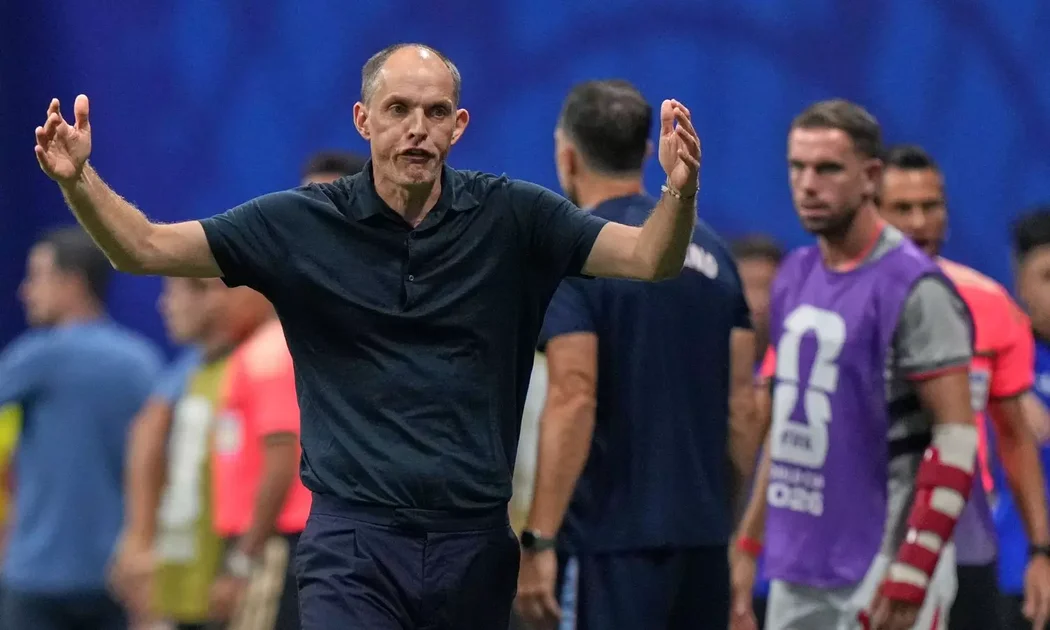
Thomas Tuchel’s future as England manager hangs in the balance after a devastating 2-1 semi-final defeat to Argentina in the 2026 World Cup. The German coach, hired specifically to end England’s 60-year trophy drought, saw his side crumble in the final minutes after taking a 1-0 lead. Despite holding a contract until 2028, the manner of the loss has sparked a fierce debate over whether he should stay or go.
England led through Anthony Gordon’s 55th-minute strike, but Tuchel’s decision to switch to a defensive back five and introduce six defenders backfired spectacularly. Argentina equalized in the 85th minute through Enzo Fernandez, before Lautaro Martinez headed a 92nd-minute winner—both goals assisted by Lionel Messi. England had just 12% possession from the moment they took the lead to the second goal, a stat that critics say illustrates a catastrophic tactical error.
The Verdict from Pundits and Players
Former England captains Wayne Rooney and Alan Shearer were scathing in their assessments. Rooney told the BBC: “It started from the manager and the decisions he made. It was too passive. Against this team, the world champions, you will not get away with it.” Chris Sutton called it a “coaching catastrophe,” arguing that defending for 30 minutes against a side of Argentina’s quality was inevitable failure.
Even U.S. President Donald Trump weighed in, questioning why Harry Kane was isolated in the second half. Speaking to ESPN, Trump joined the chorus of criticism directed at Tuchel’s game management. Sources told ESPN that the Football Association still supports Tuchel for now, but the backlash is intensifying.
The Weight of History and Tactical Identity
Tuchel was brought in to be the knockout specialist, the man who would surpass Gareth Southgate’s record of two finals and two semi-finals. But the defeat in Atlanta mirrored the same passivity that plagued England under Southgate. In a piece for The Athletic, staff writers noted that Tuchel’s team never seemed truly his own, with assistant Anthony Barry’s half-time comments against Croatia suggesting a disconnect between coaches and players.
Guardian columnist Jonathan Liew was even more damning, accusing Tuchel of putting down the English game to avoid admitting cowardice. Tuchel claimed possession football is not in England’s DNA—a remark Liew says should disqualify him from the job. The criticism reflects a deeper anxiety: that England’s failure is not just tactical but cultural, a collective fear of seizing the moment under pressure.
Third-Place Match: A Hollow Consolation
England faced France in the third-place play-off on July 18, a match that felt like an anticlimax after the semi-final heartbreak. While the team fought to salvage some pride, the focus remained on Tuchel’s choices. The Athletic reported that the squad still respects Tuchel, but doubts linger about whether he can adapt his approach for the home European Championship in 2028.
Broader Implications: What This Means for English Football
Tuchel’s potential departure would reignite the perennial question of whether England needs a homegrown manager or a foreign specialist. With names like Pep Guardiola already in the frame—though Guardiola has publicly rejected the job amid the fallout—the FA faces a pivotal decision. The next appointment could define a generation.
The loss also shifts the narrative around the England squad. Players like Jude Bellingham and Declan Rice, hailed as world-beaters, have now lost two major semi-finals under different managers. Questions about their ability to handle pressure moments now follow them into club football.
The German Influence on English Tactics
Tuchel’s tenure was meant to bring a continental edge to England’s traditional strengths. Instead, it exposed a fault line: a manager who succeeded at club level with defensive solidity but struggled to instill the same mindset in an international side. The irony is that England’s best moments in the tournament came from attacking flair, not cautious control.
On the global stage, Argentina’s triumph under Lionel Messi—who is now on the cusp of his second consecutive World Cup final—reinforces the value of maverick talent over rigid structure. Spain, their opponents in the final, have shown that possession can be both beautiful and brutal. England, once again, are left to wonder ‘what if?’
What Happens Next
The FA is expected to make a decision on Tuchel’s future within weeks. While he has the backing of key figures, the noise from fans and pundits may force a change. If Tuchel stays, he will need to rebuild trust and prove he can learn from this collapse. If he goes, England will be looking for a third manager in four years—a cycle of instability that has plagued the nation for decades.
For now, the focus is on the third-place match and the lessons from Atlanta. But as the dust settles, the core question remains: can England ever fix the mental fragility that keeps them just short of glory? The answer may determine whether the 60 years of hurt becomes 70.
Comments