
Trump Approves Plan to Fire FDA Commissioner Marty Makary
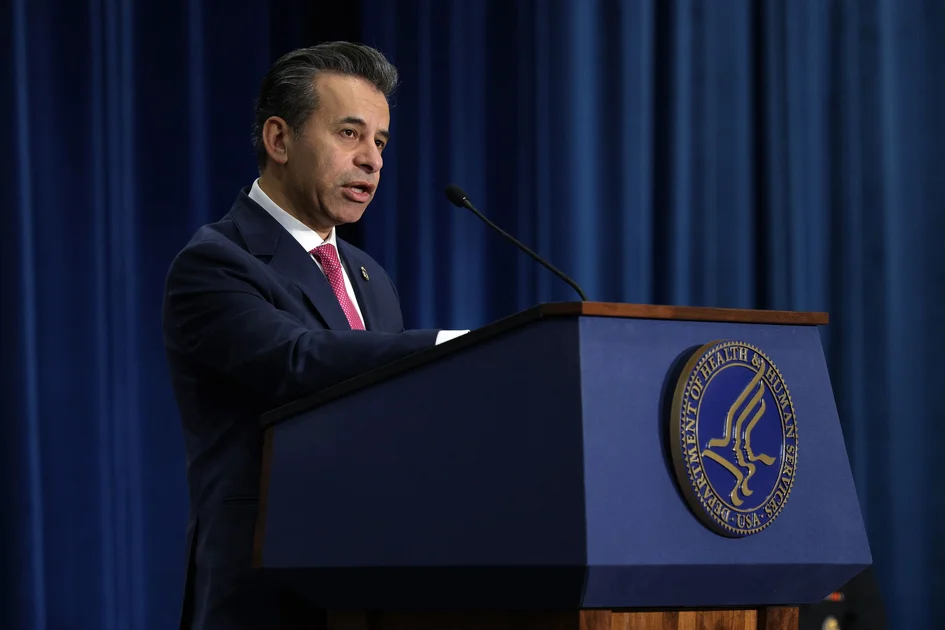
President Donald Trump has signed off on a plan to fire Food and Drug Administration Commissioner Marty Makary, according to two sources familiar with the decision. The move, first reported by The Wall Street Journal, comes after months of escalating tension between the Johns Hopkins surgeon and the White House over the agency's regulatory agenda.
The president dodged questions about Makary's future on Friday, telling reporters he knew nothing about it. As of Monday, Makary had not been notified of his termination, a senior Health and Human Services official told CBS News, adding that the commissioner retains significant support within HHS. Notably, Makary did not appear in the Oval Office on Monday as Trump touted his administration's maternal health initiatives alongside other top federal health officials.
The timing of Makary's potential ouster remains uncertain. He is still scheduled to testify before the Senate Appropriations Committee on Wednesday, a spokesperson for the panel confirmed. The president could still change his mind, but the approval of a firing plan signals a dramatic break with a figure who was confirmed to lead the FDA just over a year ago, in March 2025.
The Vaping Flashpoint and Growing Rifts
Pressure Over Flavored E-Cigarettes
The immediate trigger for the firing plan appears to be a clash over vaping policy. On May 6, the FDA approved a series of flavored e-cigarettes, a decision that The Wall Street Journal reported came only after Trump personally pressured Makary to green-light the fruit-flavored vapes that he had been refusing to authorize.
According to the Journal, advisers told the president that Makary was obstructing the administration's vaping agenda and characterized him as a problem for the White House. The approval marked a sharp reversal for Makary, who had previously resisted industry and political pressure to clear the products, citing public health concerns over youth vaping.
Broader Turmoil at the FDA
The vaping dispute was not an isolated incident. Current and former FDA officials have repeatedly warned that the agency is in turmoil under Makary's leadership, according to reporting from The Atlantic. Drug companies, typically cautious about publicly criticizing regulators, have raised concerns about the agency's direction and stability.
Makary's tenure has been defined by an unusually political approach to the traditionally independent role of FDA commissioner. Rather than acting as a neutral steward of science and safety, Makary has shown a willingness to prioritize political considerations, a strategy that may have sown the seeds of his own downfall.
A Year of Political Maneuvering
The National Priority Voucher Program
Makary's problems began soon after his confirmation. In June 2025, he launched the Commissioner's National Priority Voucher program, a pilot initiative designed to fast-track drug approvals for treatments that "align with one of five critical U.S. national health priorities."
While the FDA routinely accelerates reviews for drugs addressing serious unmet medical needs, the new program required all voucher decisions to be cleared by the White House, as reported by STAT News. This effectively turned the vouchers into bargaining chips in drug pricing negotiations. On the same day the White House announced that Eli Lilly and Novo Nordisk would reduce prices for their GLP-1 weight-loss drugs and sell them on a Trump-branded website, both companies received vouchers for new weight-loss drugs.
Overruling Career Staff
Makary and his deputies also regularly overruled career FDA staff, often with nakedly political motives. During his confirmation hearing, Makary promised lawmakers he would "take a solid, hard look at the data" regarding the safety of the abortion drug mifepristone. Although Makary claimed that FDA scientists had begun reviewing the data, news broke in December 2025 that he had instructed staff to delay the review until after the midterm elections, according to HHS sources cited by The Atlantic.
Pro-life groups have called for Makary's firing because they argue he has not been tough enough on abortion. Meanwhile, vaping advocates are furious over the FDA's slow progress on approving their products. The commissioner managed to alienate nearly every stakeholder, from career scientists to industry executives to political activists.
The Stakes and the Fallout
The impending dismissal of an FDA commissioner is a high-stakes event with significant consequences for public health, regulatory stability, and investor confidence. The FDA oversees products that account for roughly 20 cents of every dollar spent in the U.S. economy, including prescription drugs, medical devices, food safety, and tobacco products.
Makary's firing would mark the latest disruption in an agency that has struggled to maintain its credibility amid repeated political interventions. Career staff have reported low morale and fears that the agency's scientific integrity is being compromised. If the pattern of White House interference continues, it could undermine the FDA's ability to attract top talent and enforce safety standards.
For the Trump administration, the move carries political risks. While vaping advocates and some industry players may welcome Makary's departure, consumer safety groups and public health experts are likely to raise alarms. The Senate Appropriations Committee hearing on Wednesday could become a forum for lawmakers to question the administration's commitment to an independent FDA.
Broader Implications for Health Policy
Makary's turbulent tenure and likely ouster reflect a broader trend in which federal health agencies have become battlegrounds for ideological and political fights. The FDA, long considered one of the most respected regulatory bodies in the world, now faces questions about its ability to operate free from political pressure.
This episode also highlights the tensions inherent in the Trump administration's approach to health policy: a desire for rapid deregulation and industry-friendly decisions, combined with a willingness to bypass traditional processes. The FDA's independence has been a cornerstone of its reputation, ensuring that drug approvals are based on science rather than politics. If that independence is eroded, the consequences could ripple through global pharmaceutical markets and public trust.
For now, the fate of Marty Makary hangs in the balance. He remains FDA commissioner as of this writing, but his days appear numbered. The president has signed off on the plan, and the only question is when the axe will fall—and what it will mean for the future of the agency.
What Comes Next
The uncertainty surrounding Makary's position has already begun to affect FDA operations. Staff are bracing for a leadership change, and industry stakeholders are reassessing their strategies. If Makary is fired, the White House will need to nominate a successor, a process that could take months and trigger another confirmation battle in a divided Senate.
The administration may also use the opportunity to install a commissioner more aligned with its agenda, particularly on vaping and drug pricing. However, any nominee will face intense scrutiny from both parties, especially given the controversies that have engulfed the agency under Makary.
For readers following this story, Trump Signs Off on Plan to Fire FDA Commissioner Marty Makary, WSJ Reports provides the initial breaking news, while broader concerns about the administration's approval ratings are explored in Trump's Net Approval Hits New Second-Term Low as Economic Polls Deteriorate. As the situation develops, the fate of the FDA—and the health of millions of Americans who rely on its oversight—hangs in the balance.
Comments