
Trump Refuses to Sign Landmark Housing Bill, Calls It ‘a Big Yawn’
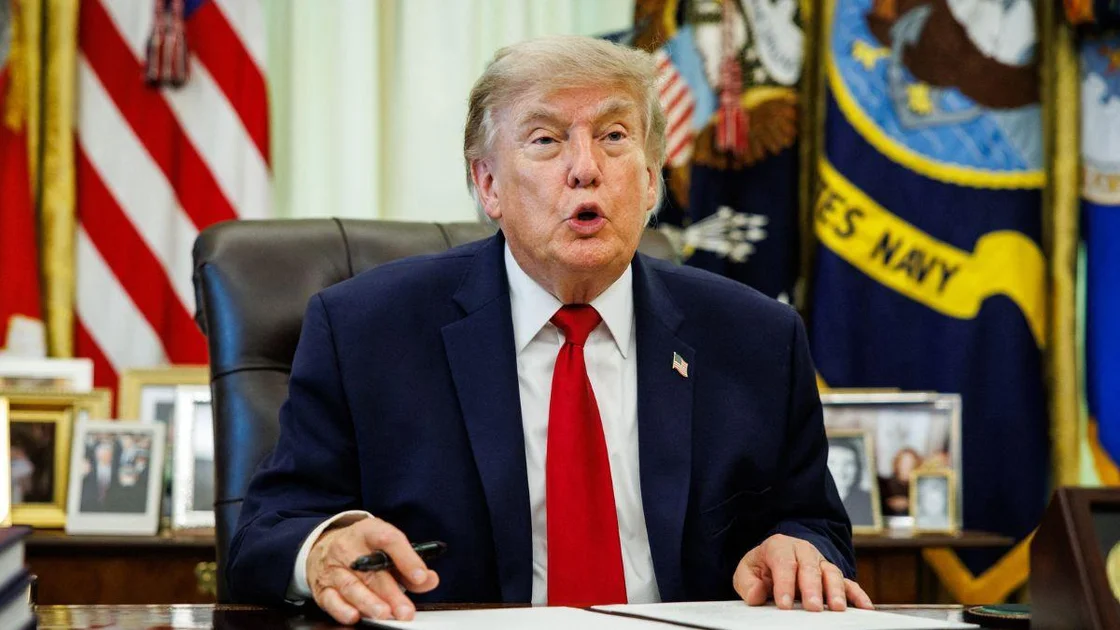
President Donald Trump has thrown the future of the most significant federal housing overhaul in decades into uncertainty, publicly dismissing the bipartisan bill as “so unimportant” and refusing to commit to signing it. The president told reporters on Monday, June 29, that he won’t act on the 21st Century Road to Housing Act until Congress first passes the SAVE America Act, a stalled voting-restriction bill he champions.
Trump canceled a scheduled signing ceremony last week and has now characterized the housing legislation as a “big yawn” compared to his election-security priority. House Speaker Mike Johnson transmitted the bill to the White House on Monday, triggering a 10-day window for the president to sign, veto, or let it become law without his signature. Johnson expressed confidence the measure will be enacted regardless, but Trump’s public disdain has injected uncertainty into a process that had appeared smooth after the bill passed Congress with overwhelming bipartisan margins — 358-32 in the House and 85-5 in the Senate.
What the Housing Bill Would Do
The legislation, called the 21st Century Road to Housing Act, contains no new federal spending but aims to boost housing supply through regulatory reform and targeted incentives. Key provisions include:
- Streamlining environmental reviews for new construction.
- Removing restrictions on manufactured homes to make them easier to build and place.
- Increasing access to small-dollar mortgages for lower-income buyers.
- Barring large institutional investors, such as private equity firms, from owning more than 350 single-family homes.
Former HUD Secretary Shaun Donovan, now president of Enterprise Community Partners, called it “the most important, most comprehensive housing bill of this century” in a PBS News interview. He emphasized that the bill directly tackles a housing shortage estimated at nearly seven million units, which has driven home prices up 54% since 2020 and nearly doubled median mortgage costs.
Why the Delay Matters: A Crisis in Context
The president’s refusal to sign comes as housing affordability has become a top voter concern. The bill cleared Congress in June with rare bipartisan support, reflecting the pressure lawmakers face from constituents grappling with soaring rents and home prices. According to PBS News, the legislation is the first major federal housing policy overhaul in more than three decades.
Trump’s alternative priority — the SAVE America Act, which would require photo ID and proof of citizenship to vote in federal elections and ban universal mail-in voting — has stalled in Congress. By linking the two, the president is effectively holding a broadly popular housing measure hostage to a far more controversial voting bill. Critics were quick to pounce. Senator Adam Schiff of California wrote on X: “He keeps reminding us how little he cares about reducing prices. It’s time we believed him.” Fox News commentator Jessica Tarlov added: “A fake election fraud bill is more important than having somewhere to live. Good to know!”
Meanwhile, the Supreme Court dealt Trump’s voting agenda a blow on the same day, ruling that mail-in ballots received after Election Day can count if postmarked by that date. The president called the ruling “very detrimental to honest elections.”
State-Level Action Contrasts Federal Gridlock
While the federal bill hangs in limbo, some states are moving ahead on their own. Florida Governor Ron DeSantis recently signed the third revision of the Live Local Act, a measure first enacted in 2023 to expand affordable housing through zoning preemptions and tax incentives. The updated law allows more types of dwelling units, limits local government restrictions, and protects funding sources. It requires cities and counties to approve apartment or mixed-use projects in commercial and industrial zones if at least 40% of units are set aside as affordable for 30 years.
The Florida law has drawn praise for spurring construction, but critics like Florida TaxWatch have argued it falls short for “missing middle” renters — households earning too much for subsidies but not enough for market rents. The latest revision excludes farms from eligible development categories, addressing some earlier concerns.
The Stakes for Millions of Americans
The impasse in Washington comes at a time when housing costs are crushing household budgets. Mortgage rates remain elevated, inventory is scarce, and first-time buyers are increasingly locked out of the market. The federal bill’s provisions to limit corporate ownership of single-family homes directly target a practice critics say has driven up prices in many markets.
If Trump ultimately allows the bill to become law without his signature — or vetoes it — the consequences will be felt across the country. Supporters argue it could unlock construction in communities where zoning and environmental red tape have stalled projects for years. Opponents, including some conservatives, worry about federal overreach into local land-use decisions.
As the 10-day clock ticks, the housing crisis remains a defining issue for the 2026 midterm elections. Voters appear to be paying close attention: in a recent poll, housing affordability ranked as the second-most important issue after inflation. The president’s dismissal of the bill as “a yawn” may play well with his base, but it risks alienating the broader electorate that is struggling to find an affordable place to live.
Broader Implications: A New Political Fault Line
Trump’s handling of the housing bill has drawn a sharp line between his priorities and those of the bipartisan majority in Congress. By elevating the SAVE America Act — which has no path to passage in the current Congress — above a measure that won near-unanimous support, the president is betting that voter ID laws resonate more than housing relief. It is a gamble that could define the remainder of his term.
The delay also highlights the limits of bipartisan cooperation in an election year. Even with overwhelming votes, a single executive can derail progress on issues that directly affect Americans’ daily lives. For now, the nation waits to see whether the housing bill will become law — or become another casualty of Washington’s deepening partisan divide.
This article was originally published on July 1, 2026.
Comments