
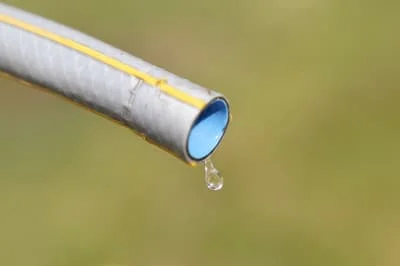
Thames Water Extends Hosepipe Ban as Drought Persists
Thames Water has confirmed that its hosepipe ban, affecting more than 10 million customers across London, the Thames Valley, and the home counties, will remain in place indefinitely despite recent rainfall. The utility said September precipitation, while welcome, has been insufficient to offset one of the driest spring and summer seasons on record.
According to the company, rainfall between March and August was less than half the long-term average. August alone saw just 28mm in the Thames catchment — 43% of the expected total. London reservoir storage stood at 59% as of mid-September, well below the seasonal norm of 78%, while Farmoor Reservoir near Oxford was at 75% against a 93% average.
"We will need significant and prolonged rainfall over the coming weeks to be able to consider lifting the restrictions," said Julie Morton, Thames Water's head of water resources. The company has faced criticism for its handling of infrastructure failures, including repeated flooding from broken pipes in parts of London.
£19bn Debt and Political Storm Cloud the Utility's Future
The hosepipe ban is the most visible symptom of a broader crisis at Britain's largest water company. Thames Water is grappling with £19bn in debt, a frustrated customer base, and mounting political pressure over its ownership structure. A cross-party parliamentary committee recently recommended that the company be placed in temporary state control, halting any takeover by creditors.
The Guardian's editorial board argued this week that nationalisation is the only way to break what it calls a "cycle of extraction and failure." The paper noted that Prime Minister Andy Burnham, who previously supported public ownership while on the campaign trail, is now exploring a model where elected mayors "oversee" private water companies — a compromise that critics say lacks real control.
A boycott of Thames Water bills has gained traction in the Holborn and St Pancras constituency, where voters will head to the polls in a byelection in less than two weeks. The campaign follows repeated flooding caused by broken pipes, with the company unable to answer questions about when mains were last inspected or replaced.
Nationalisation Debate Intensifies as Costs Mount
The uncertainty over Thames Water's future ownership is already imposing financial costs. According to Will Hutton and Andy Haldane, writing in The Guardian, bond issues that would have financed necessary infrastructure investment are being deferred, and borrowing costs are rising. With public ownership not ruled out, the potential cost to government debt markets is adding further pressure.
Hutton and Haldane argue that the government must quickly clarify its intentions. They contend that good governance for a public utility requires incentives aligned with customer interests — something they say the current privatised model, dominated by leveraged hedge funds, cannot deliver.
The company, meanwhile, is pressing ahead with a £20bn investment plan over the next five years. It recently welcomed 145 new apprentices — selected from a record 9,908 applications — to support what it describes as the biggest upgrade to its infrastructure in 150 years. The apprenticeship programme boasts an 82% completion rate, well above the national average of 65%.
Broader Implications for UK Water Sector
Thames Water's troubles are emblematic of a wider crisis in England's privatised water industry. Public polling suggests comfortable majorities of Britons believe water companies should be run in the public sector. The Holborn and St Pancras byelection is shaping up as a referendum on that question, with Labour facing pressure from voters to take a firmer stance.
Under former leader Sir Keir Starmer, Labour's review of the water sector ruled out nationalisation. But Prime Minister Burnham's rhetoric has shifted, and voices from different wings of the party are urging him to act decisively. "Mr Burnham can't kick the decision down the road for ever," The Guardian editorial warned.
Meanwhile, the immediate reality for millions of Thames Water customers is a continued ban on hosepipes, with no clear end in sight. As groundwater and soil moisture levels remain significantly below average, the utility has urged customers to continue using water carefully. The company has not indicated when restrictions might be lifted, leaving residents and businesses to plan for a dry autumn ahead.
Comments