
Super El Niño Intensifies: What It Means for Hurricanes, Fisheries, and Global Weather
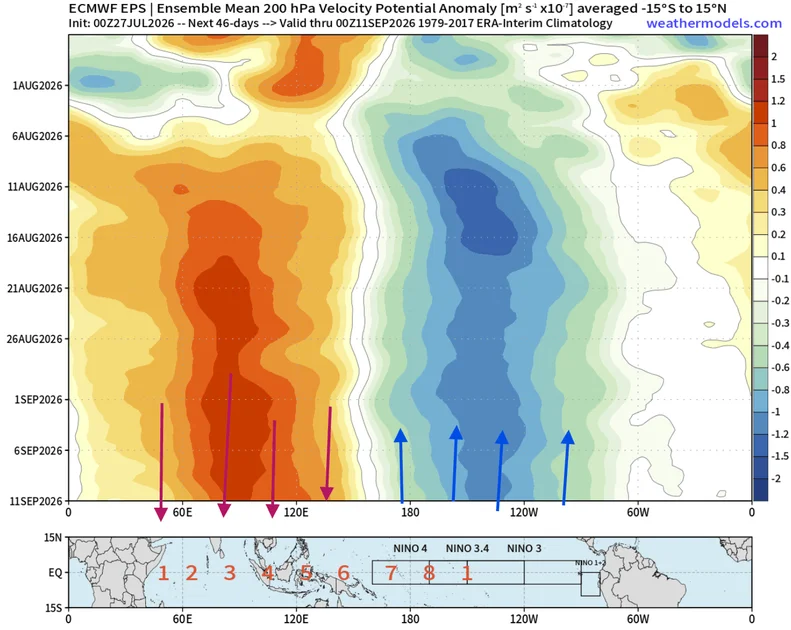
As of early August 2026, a potentially historic El Niño is not just lingering—it is strengthening. Federal scientists now put the chances of a “super” El Niño at 81%, and ocean temperatures in the central and eastern Pacific have already surpassed the 2°C (3.6°F) threshold that defines such an event. Computer models suggest it could become the strongest El Niño in modern records later this year, with wide-ranging consequences for weather, marine life, and communities worldwide.
The United Nations has issued stark warnings, describing the phenomenon as one that will worsen “a planet that is already in flames.” The alert comes amid a summer already marked by devastating wildfires in Washington state, where fires near Spokane have burned 600 structures and forced 60,000 evacuations, and by record heat across the globe. The combination of human-caused climate change and a powerful El Niño is pushing the planet into uncharted territory.
What Is a Super El Niño?
El Niño is a natural climate pattern characterized by warming of ocean waters in the central and eastern Pacific near the equator. It typically occurs every three to four years, but this one is far from typical. The current event has already exceeded the “super” threshold, meaning waters are at least 2°C above average. According to the National Oceanic and Atmospheric Administration (NOAA), the warming has been on a record pace, and most forecasts indicate it will intensify further.
The heat transferred from these warm ocean waters to the atmosphere influences weather patterns across the globe, from summer through winter. While El Niño is only one factor in global weather, its impacts can be profound, including drought in Australia and Indonesia, wetter conditions in the southern United States during winter, and disruptions to marine ecosystems.
Impact on Hurricane Season: Atlantic Suppressed, Pacific Active
The 2026 hurricane season is already feeling El Niño’s effects, according to forecasters. In the Atlantic, stronger El Niños typically increase wind shear—vertical changes in wind speed and direction—which can tear apart developing storms. In July, wind shear over the Caribbean Sea was the highest on record since 1979, according to hurricane expert Michael Lowry. This hostile environment, combined with dry, dusty Saharan air, has suppressed tropical development in the Atlantic. So far, only two named storms (Arthur and Bertha) have formed, both in June and July, and both near the Gulf and Southeast coastlines.
Meanwhile, the Eastern Pacific is teeming with activity, as El Niño fuels warmer waters and more favorable conditions for storm development. This contrast is a classic El Niño signature: it suppresses Atlantic hurricanes but can enhance Pacific cyclones. The FOX Forecast Center notes that as El Niño continues to strengthen, the Atlantic quiet period may persist through the peak of the season in September, though the risk for homegrown Gulf storms remains.
August Outlook and Beyond
As we enter August, the Atlantic Main Development Region (MDR)—the area between Africa and the Caribbean—is being monitored closely. Multiple tropical waves are moving off the African coast, but hostile winds and Saharan dust are likely to prevent significant development. Sea surface temperatures in the Atlantic remain warm, which would normally favor storms, but El Niño’s influence is offsetting that. The next ENSO forecast update, due in mid-August, will provide more clarity on just how strong this El Niño will become.
For the Atlantic, the peak of hurricane season (mid-August to late October) could be unusually quiet if El Niño continues to strengthen. However, forecasters caution that it only takes one storm to cause catastrophic damage, and residents in hurricane-prone areas should remain prepared.
California’s Fishing Fleets on the Brink
The intensifying El Niño is also posing a severe threat to West Coast fisheries, particularly California’s Dungeness crab and salmon fleets. During the 2015-16 season, a Pacific heat wave combined with a strong El Niño caused a harmful algal bloom of Pseudo-nitzschia, which produces domoic acid—a toxin that can cause amnesic shellfish poisoning in humans, leading to vomiting, diarrhea, and even permanent short-term memory loss or death. That year, regulators delayed the crab season for months, devastating the industry.
Researchers now say we could see a repeat, and possibly worse. “I think we’re likely to break global temperature records with this next El Niño,” said Malin Pinsky, a professor of ecology and evolutionary biology at UC Santa Cruz. “So it’s very concerning and it is likely to have very big impacts on marine fisheries.”
Marine species are shifting their ranges five to ten times faster than land species in response to global warming, Pinsky added. As ocean waters warm, fish and shellfish die, fail to reproduce, or move northward to cooler waters. This disrupts the fishing calendar, as fleets that rely on specific species during specific seasons find their openings delayed or shut down entirely.
Economic and Ecological Consequences
For commercial fishermen, the stakes are high. Many depend on a few key species to make a living, and the timing of fishing openings is critical. Sunny Jardine, a resource and environmental economist at the University of Washington, notes that if openings are delayed, the entire season’s schedule is thrown off. During the 2015-16 event, the Dungeness crab season was delayed for months, squeezing a typical seven-month season into a much shorter window.
The potential impacts extend beyond fishermen to coastal communities and consumers. Crab and salmon are economic pillars of the West Coast, and their scarcity drives up prices and threatens livelihoods. Moreover, the ecological damage from warming waters can have lasting effects on marine ecosystems.
Global Ramifications: Heat, Drought, and Wildfires
The United Nations’ warning that El Niño will worsen “a planet already in flames” is particularly resonant this year. The combination of long-term global warming and a super El Niño is expected to drive global temperatures to new records. The world has already seen devastating wildfires in Canada and the western United States, and El Niño is likely to exacerbate drought conditions in many parts of the world, increasing the risk of fires.
In addition, El Niño can alter precipitation patterns dramatically. While parts of South America and the southern United States may see more rain, Australia, Indonesia, and southern Africa often face severe drought. The current event is likely to amplify these patterns, potentially leading to water shortages, crop failures, and humanitarian crises.
Ocean Warming and Extreme Marine Events
The warming of the Pacific is not just about atmospheric patterns; it also triggers extreme marine events. For example, warmer waters have been linked to the arrival of unusual species along the California coast, such as sharks and sea snakes, as we’ve reported previously (Super El Niño Brings Sharks and Sea Snakes to California Waters). These shifts can disrupt local ecosystems and pose risks to human activities.
Moreover, the current El Niño could lead to another massive coral bleaching event, as warm waters stress coral reefs worldwide. The Great Barrier Reef and other tropical reefs are already vulnerable, and a super El Niño could push them over the edge.
Looking Ahead: Preparation and Adaptation
As the super El Niño continues to evolve, governments, scientists, and communities are urged to prepare for the impacts. The federal government in the U.S. is monitoring the situation, and state agencies, particularly in California, are working with fishing industries to develop contingency plans. The World Meteorological Organization and other international bodies are coordinating early warnings to help vulnerable regions adapt.
For the public, the message is to stay informed about local weather forecasts, especially in regions prone to flooding, drought, or wildfires. El Niño’s effects can be felt far from the Pacific, as seen in the potential for a wet winter in the southern U.S., which could bring both relief from drought and a risk of flooding.
The Role of Climate Change
While El Niño is a natural phenomenon, climate change exacerbates its impacts. Warmer baseline temperatures mean that the heat added by El Niño can push systems beyond thresholds they have never experienced. This is why scientists are so concerned about the upcoming winter, which could bring record warmth and extreme weather events.
The 2026 El Niño is a reminder that we live in an era of weather extremes, and our infrastructure, economy, and ecosystems must adapt. From the fishermen of California to the residents of hurricane-prone coasts, the effects of this super El Niño will be felt across the globe.
Conclusion: A Planet in Uncharted Waters
The super El Niño of 2026 is not just another weather event; it is a harbinger of the challenges posed by a warming planet. Its impacts on hurricane season, fisheries, and global weather are already visible. While the Atlantic may see a quieter season, the Pacific and other regions will feel the heat. The United Nations’ warning that “the planet is already in flames” underscores the urgency of addressing both natural variability and human-caused climate change.
As we move through August and into autumn, the world will be watching the evolution of this historic El Niño. Its full effects may not be known for months, but the evidence so far suggests that it will be a defining climate event of the decade. Communities, governments, and industries must brace for the challenges ahead, and work together to build resilience in a world where the climate is becoming increasingly unpredictable.
For those interested in how global warming is contributing to such events, our article on the Cyclospora Outbreak 2026 illustrates another way climate shifts affect public health. The time to prepare is now.
Comments