
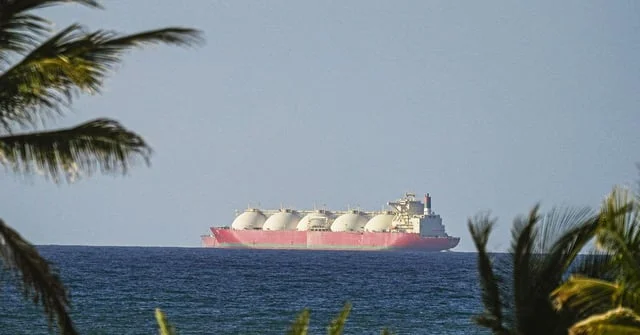
Strait of Hormuz Reopens: Mines Cleared, but Iran's Warship Ban Looms Large
The United States military announced Thursday that all sea mines have been cleared from the international shipping lanes of the Strait of Hormuz, a vital waterway that Iran has largely closed since late February. The development marks a significant step toward restoring the free flow of nearly 20% of the world's oil and liquefied natural gas, though a new proposal from Tehran to ban US warships from the strait threatens to undo the fragile progress.
"Iran has been notified that any ship or boat placing new mines will be immediately and systematically destroyed," President Donald Trump said in a post on his Truth Social platform, confirming the US Navy's success in removing or detonating all mines. The statement came as Adm. Brad Cooper, commander of US Central Command (CENTCOM), shared a video update praising thousands of US troops for their "outstanding work" in clearing the waterway and assisting nearly 1,500 commercial vessels carrying roughly 750 million barrels of crude oil to global markets.
However, the White House has remained silent on Iran's reported proposal to ban US warships from the strait, a measure that Tehran says it would enforce to protect its sovereignty. The silence underscores the fragile nature of the reopening, as both sides continue to exchange fire intermittently despite a collapsed ceasefire. Meanwhile, the US is pressing G20 allies to isolate Iran economically, with Treasury Secretary Scott Bessent set to host finance ministers in Asheville, North Carolina, next week to discuss cutting off Tehran's financial lifelines.
The Stakes: A Waterway That Moves the World's Energy
The Strait of Hormuz, a narrow channel between Oman and Iran, is one of the most strategically important chokepoints on Earth. Before the war, which began on 28 February with US and Israeli air strikes against Iran, roughly 20% of global oil and liquefied natural gas passed through its waters. Its closure has caused wild fluctuations in oil prices, sending shockwaves through world markets and heightening fears of a broader energy crisis.
Iran has largely closed the strait since the start of the conflict, firing against vessels it says have sought to cross without permission. In addition to closing the waterway, Iran has retaliated against Israel and US bases in the region, as well as US Arab allies in the Gulf. The closure has forced shipping companies to reroute tankers, adding days to journeys and increasing costs, while also threatening supplies to key markets in Asia and Europe.
The US military's success in clearing mines is a crucial step, but the strait's full reopening depends on more than just removing physical obstacles. Iran's ability to lay new mines quickly, as warned by President Trump, remains a persistent threat. The US has made clear that any new mine-laying will be met with immediate destruction, but Tehran's willingness to test that resolve could spark a new escalation.
The Collapse of Diplomacy and the Rise of Sanctions
The current crisis has deep roots in failed diplomacy. In June, Iran and the US signed a 14-point Memorandum of Understanding (MoU) that set a 60-day deadline to reach a deal on the strait, before substantial negotiations on resolving the nuclear issue—allegations that Iran is building a nuclear weapon, which Tehran has consistently denied.
That deadline has now expired, and talks have collapsed, leading to a new raft of US sanctions against Iran. Treasury Secretary Bessent warned that any nation financially partnering with Iran would be isolated, a message he is set to deliver to G20 finance ministers and central bank governors next week. The sanctions are designed to cut off Iran's economic lifelines and force a change in behavior, but they also risk deepening the standoff.
President Trump has said Iran is in "deep trouble" as economic pressure intensifies, but he has also made clear that the US does not want to meet with Iran. That stance, combined with the collapsed talks, leaves little room for diplomatic maneuvering. The White House's silence on Iran's proposed warship ban only adds to the uncertainty.
Iran's Proposal: A New Red Line
Iran's reported proposal to ban US warships from the Strait of Hormuz presents a direct challenge to US military operations in the region. If enforced, the ban would effectively bar the US Navy from the very waters it just cleared of mines, undermining the security that allowed shipping lanes to reopen.
The proposal is likely a negotiating tactic aimed at gaining leverage, but it also reflects Tehran's long-standing demand that foreign military forces leave the region. Iran has consistently framed the US military presence as a threat to its national security, and the proposed ban is a way to assert its control over the strait.
The White House's silence on the proposal is telling. It could indicate that US officials are weighing their options, or it could signal that they see the proposal as a non-starter. Either way, the lack of a clear response leaves the situation ambiguous, and that ambiguity could be dangerous.
Regional Dynamics and Global Implications
The reopening of the Strait of Hormuz has broader implications beyond oil prices. It affects global supply chains, geopolitical alliances, and the balance of power in the Middle East. The US military's success in clearing mines has been hailed as a victory, but it also raises questions about the long-term security of the waterway.
Adm. Cooper displayed a nautical chart showing how vessels are safely separated in the shipping lanes, a sign that the US military is committed to keeping the strait open. But the presence of US warships is exactly what Iran has proposed to ban, creating a paradox: the very forces that cleared the mines may now be the target of Tehran's next move.
For the US and its allies, the priority is to maintain the flow of oil and prevent further disruptions. For Iran, the priority is to end what it sees as foreign interference and to secure a better position in any future negotiations. These competing interests make the situation highly volatile.
Looking Ahead: A Fragile Opening
The
The clearing of mines in the Strait of Hormuz is a positive development, but it is not the end of the crisis. The strait remains a flashpoint, and the risk of new clashes is ever-present. The US sanctions, Iran's proposed warship ban, and the collapsed talks all point to a prolonged standoff.
The coming weeks will be critical. If the US and its allies can maintain the security of the shipping lanes, and if Iran can be pressured into returning to the negotiating table, there is a chance for a more durable solution. But if the current trajectory continues, the strait could become a permanent source of tension, with global energy markets held hostage to regional politics.
The situation also has domestic political implications in both countries. For President Trump, who has boasted of US control over the area, any setback in the strait would be a significant political blow. For Iran's leadership, which has staked its credibility on challenging US presence in the region, backing down would be seen as a sign of weakness.
As the world watches, the focus is on whether the reopening of the strait is a genuine turning point or just a temporary reprieve. The answers will have far-reaching consequences for global energy security, US-Iran relations, and the stability of the Middle East.
The Role of International Pressure
The G20 meetings next week will be a key test of international unity. The US is expected to push its allies to adopt tougher measures against Iran, but not all G20 members may be willing to join. Some, like China and India, are major buyers of Iranian oil and may resist efforts to cut Tehran off entirely.
This divergence could undermine the effectiveness of the sanctions. If Iran can find alternative buyers, it may be able to weather the economic pressure, which would weaken the US position. The debate at the G20 will therefore be closely watched by markets and policymakers alike.
The Human and Economic Toll
Beyond the geopolitics, the closure of the Strait of Hormuz had real human and economic costs. Shipping companies faced higher insurance premiums, and some were forced to reroute, leading to delays and rising costs. For countries heavily dependent on energy imports, the disruptions threatened their economies and daily life.
The reopening offers some relief, but the threat of new closures remains. Businesses and consumers are likely to remain cautious, knowing that the situation could change at any moment. The psychological impact of the crisis may persist even as physical obstacles are removed.
Conclusion: A Waterway Still at Risk
The US military's success in clearing mines from the Strait of Hormuz is a significant achievement, but it is only a partial victory. Iran's proposed warship ban, the collapse of negotiations, and the continued economic pressure all suggest that the underlying tensions remain unresolved.
In the short term, the reopening of the strait will likely ease oil prices and reassure markets. But the long-term stability of the waterway is far from assured. The world remains dependent on this narrow passage, and any future disruption could have severe consequences. As always, the situation in the Middle East remains unpredictable, and the Strait of Hormuz is once again at the center of global attention.
Comments