
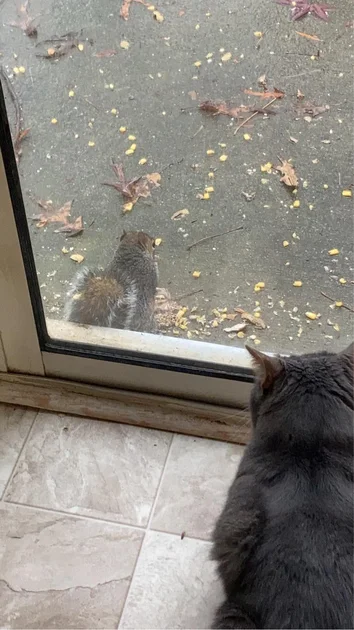
Storms and a Squirrel: Xcel Energy Battles Widespread Power Outages Across Upper Midwest
As of 11:08 AM on June 10, 2026, Xcel Energy is grappling with a significant wave of power outages spanning multiple states, with the most severe impacts concentrated in Minnesota. According to the company’s live outage map, 2,927 active outages are affecting approximately 0.1% of its 5.55 million customers across 178 counties in 10 states. The hardest-hit region is Minnesota, where overnight severe thunderstorms knocked out power for more than 54,000 customers, while a separate incident in La Crosse, Wisconsin — caused by a squirrel — temporarily cut service to 5,200 customers on the south side of the city.
While the overall percentage of affected customers remains modest (0.1%), the concentration of outages in a single state — Minnesota — has placed Xcel Energy at the center of regional emergency response efforts. The provider now ranks #2 nationwide in total outages and #102 in outage percentage, according to the independent tracking site USOutage.com. Restoration crews are working around the clock, but the company has urged customers to use its online outage map for real-time updates.
Minnesota: The Epicenter of the Storm
Between late Tuesday night and Wednesday morning, June 10, a powerful line of thunderstorms swept across western, southern, and central Minnesota, extending into western Wisconsin. The storms brought wind gusts exceeding 60 mph, heavy rain, lightning, and thunder, prompting severe thunderstorm warnings for parts of the state, including portions of the northeast Twin Cities metro area. By 5:20 AM, Xcel Energy reported approximately 590 individual outages affecting more than 54,000 customers statewide.
County-level data from the live outage map reveals the most severe impacts in the Minneapolis–Saint Paul metropolitan area. Hennepin County, the state’s most populous, reported 122 active outages affecting a significant number of its 620,029 customers. Ramsey County, home to Saint Paul, saw 112 outages among its 248,168 customers. Washington County in the eastern metro area recorded 189 outages, impacting 124,213 customers. Other hard-hit counties include Anoka (23 outages), Dakota (3), and Stearns (21).
“The company said crews were prepared to respond to outages and would prioritize the largest outages first to restore power to the greatest number of customers as quickly as possible,” FOX 9 reported. Customers are urged to report outages and track restoration efforts on Xcel Energy’s outage map. The company had been monitoring the potential for severe weather since Tuesday and had prepositioned crews in anticipation of damage.
La Crosse: A Squirrel Takes Down 5,200 Customers
While the Minnesota storms dominated the outage tally, a smaller but notable incident occurred on Monday, June 8, in La Crosse, Wisconsin. According to WIZM News, a squirrel briefly disrupted power for nearly 5,200 Xcel Energy customers on the city’s south side. The outage lasted from 9:38 AM to 10:48 AM, with affected areas including the vicinity of Diagonal Road and Ward Avenue.
“A squirrel was the cause of a power outage that affected nearly 5,200 Xcel Energy customers Monday morning on the south side of La Crosse,” WIZM reported, citing an Xcel Energy spokesperson. While the outage was resolved in just over an hour, it highlights the vulnerability of aging grid infrastructure to wildlife — a recurring challenge for utility companies across the United States.
Why This Matters: Grid Reliability Under Scrutiny
Xcel Energy’s widespread outages come at a time when power grid reliability is a growing national concern. Extreme weather events, aging infrastructure, and even animal interference continue to test the resilience of the electric grid. For Minnesota residents, the overnight storms disrupted daily life, potentially affecting everything from refrigerated medications to home-based workers reliant on internet connectivity.
The outage map data also reveals a broader pattern: Xcel Energy serves 5,553,525 customers across 10 states, and the current outage count of 2,927 — though only 0.1% — still represents a significant number of customers left without essential service. In Minnesota alone, 54,000 customers without power means thousands of households and businesses forced to cope without lighting, heating, cooling, or refrigeration. The timing is particularly challenging, as June can bring both heat waves and continued storm threats.
Stakes for Vulnerable Populations
Power outages disproportionately affect vulnerable populations, including the elderly, those with medical conditions requiring electric-powered equipment, and low-income households that may lack backup generators. For residents of Hennepin County, which includes Minneapolis and its suburbs, the outages come amid ongoing discussion about energy equity and emergency preparedness. The state has seen an increase in severe weather events in recent years, raising questions about whether grid investments are keeping pace with climate-driven risks.
Economic Consequences
For businesses, even brief outages can translate into lost revenue, spoiled inventory, and interrupted operations. The 54,000-customer outage in Minnesota likely affected grocery stores, restaurants, and small businesses that rely on refrigeration and point-of-sale systems. The La Crosse squirrel incident, while brief, still disrupted a weekday morning for thousands of residents and commuters in the area.
Context: A Year of Outages for Xcel Energy
The June 10 outages are not an isolated event. Xcel Energy has faced multiple significant outage incidents in 2026, including a major winter storm in February that left tens of thousands without power in Colorado and New Mexico. In April, high winds caused widespread damage in Texas and Oklahoma, affecting Xcel customers in those states. The company has also been involved in litigation related to the 2021 Marshall Fire in Colorado, where power lines were blamed for igniting the destructive wildfire.
According to USOutage.com, Xcel Energy currently ranks #2 in total outages among all U.S. utilities, indicating that its grid may be more susceptible to disruptions than many peers. The site’s data shows that while the percentage of customers affected is low (0.1%), the sheer scale of the company’s customer base means even a small percentage translates into tens of thousands of people without power.
The Squirrel Factor
Animal-related outages are a known challenge for utilities. Squirrels, birds, snakes, and other wildlife frequently come into contact with power lines, transformers, and substations, causing short circuits and equipment damage. A 2023 report from the American Public Power Association estimated that animal contact accounts for 5–10% of all power outages nationwide. While utilities use physical barriers and repellents to mitigate these risks, the La Crosse incident demonstrates that such measures are not always foolproof.
Severe Weather Patterns
The overnight storms in Minnesota are part of a larger weather pattern that has brought repeated rounds of severe thunderstorms to the Upper Midwest in early June. The National Weather Service has issued multiple severe thunderstorm and tornado watches for the region over the past week. Climate scientists warn that a warming atmosphere is likely to increase the frequency and intensity of such storms, which could increase strain on power grids.
Perspective: What This Means for the Future of Grid Resilience
The simultaneous outages from a weather event and a wildlife encounter underscore a fundamental truth about modern electricity grids: they are complex, distributed systems that face threats from both macro-scale (storms) and micro-scale (squirrels) events. For Xcel Energy, the immediate priority is restoration. But the longer-term question is how the company — and the utility industry as a whole — plans to harden the grid against these varied risks.
Investment in Grid Modernization
Xcel Energy has committed to significant grid modernization efforts, including investments in undergrounding power lines in high-risk areas, deploying smart grid sensors for faster fault detection, and integrating distributed energy resources like solar and battery storage. However, critics argue that the pace of investment is too slow to keep up with the growing frequency of extreme weather events. A recent report from the Rocky Mountain Institute noted that U.S. utilities collectively spend only about 2–3% of their annual revenue on grid resilience, a figure that many experts consider insufficient.
The Role of Distributed Energy
As outages become more common, interest in distributed energy resources — including home solar panels, battery storage, and microgrids — is growing. For customers in Minnesota, having a backup power source can mean the difference between enduring a multi-hour outage and maintaining critical loads like refrigeration, lighting, and internet. However, the upfront cost of such systems remains a barrier for many households, particularly in low-income communities.
Policy Implications
The outages also have policy implications. In Minnesota, state lawmakers have debated bills to improve power outage reporting requirements and to require utilities to provide backup power for medically vulnerable customers. At the federal level, the Biden administration’s Grid Resilience Innovation Partnership has allocated billions of dollars for grid upgrades, but the funds are distributed slowly and often require matching from utilities and states.
Conclusion: A Wake-Up Call
While the June 10 outage will likely be resolved within hours or days, it serves as a reminder of the fragility of the electric grid and the need for continued investment. For Xcel Energy, the dual challenges of storms and wildlife — and the ranking as the utility with the second-highest total outages nationwide — signal that there is no single solution to the problem. Instead, a combination of technology, policy, and community preparedness will be required to ensure that the lights stay on.
For context on broader energy trends, recent analysis from the UK suggests that centralized electricity purchasing could save consumers money — a model that some U.S. states are exploring. Meanwhile, the ongoing Heartbreak for Scotland Fans as US Travel Permits Revoked Hours Before World Cup highlights how infrastructure challenges extend beyond the energy sector. And as utilities like Xcel Energy work to restore power, the Trump administration faces Senate showdown over Colorado River crisis, underscoring the broader policy landscape in which energy and environmental issues intersect.
Xcel Energy has not provided a specific estimated time of full restoration for all affected customers as of this writing. Residents are advised to stay away from downed power lines, report outages via the official outage map, and prepare for the possibility of additional storms in the coming days.
Comments