
Kennewick Fire Prompts 'Go Now' Evacuation Orders as Twin Blazes Spread Across Washington State
Vegetation fires erupted across the Kennewick area in Washington State on July 24, 2026, prompting immediate evacuation orders and a massive firefighting response. The rapidly evolving situation, involving the Finley Fire and the larger Locust Grove Fire, has placed hundreds of residents on high alert as flames threaten homes and critical infrastructure.
The Finley Fire was first reported at 205800 Block E Finley Road, burning less than an acre at 0.11 acres, according to WatchDuty, a fire-tracking service. Benton County Fire District #1 confirmed that crews responded to a 100-foot by 50-foot vegetation fire, issuing a second alarm as the blaze crossed Finley Road and threatened at least two homes. "We need to close down the section of Finley Rd. between Pullman and Lexington as the fire has crossed the road," officials stated.
A larger and more aggressive fire, the Locust Grove Fire, ignited south of the Tri-Cities region, growing to approximately 20 acres in a matter of hours. Emergency responders escalated their efforts, requesting multiple wildland strike teams, including one from Walla Walla County. Incident commanders ordered a third strike team dedicated to structure protection as flames intensified.
Evacuation Zones Expand as Flames Advance
Level 3 "Go Now" evacuation orders were issued for residents in the Inspiration Heights area, particularly around West 50th Avenue and South, as crews worked to contain the Locust Grove Fire. WatchDuty reports indicated that officials urged immediate departure as the fire threatened homes and buildings.
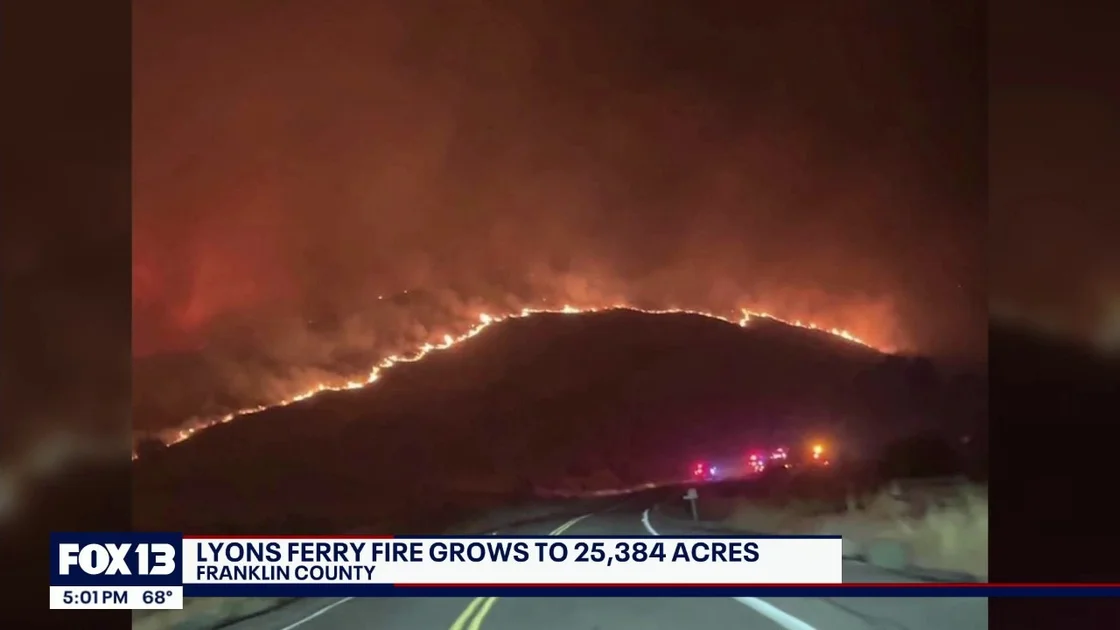
Social media users shared dramatic images and videos of the blaze, showing a massive orange glow on the horizon. One resident posted three separate photos in 15 minutes, documenting the rapid growth of the fire. A local radio station shared footage of the Kennewick fire, captioning it "Fire in Kennewick!"
Wildfire Season Intensifies Across the Pacific Northwest
The Kennewick fires come amid a broader pattern of increased wildfire activity across the Pacific Northwest, where hot, dry conditions have elevated fire danger. The twin blazes highlight the volatile nature of summer vegetation fires, which can ignite quickly and spread rapidly in sparse, dry brush.
Authorities have not yet determined the cause of either fire, but both serve as a stark reminder of the risks facing communities in fire-prone regions. The fires erupted in agricultural and residential zones, compounding the danger for local residents and complicating containment efforts.
In nearby Benton County, firefighters have been stretched thin as they respond to multiple incidents simultaneously. A separate vegetation fire near Bateman Road and Owens also drew resources, further straining emergency services. The confluence of fires underscores the need for community preparedness and rapid evacuation planning.
Broader Implications for Fire Management and Community Safety
The Kennewick fires reflect a troubling trend: more frequent and intense wildfires in areas not traditionally considered high-risk. The rapid growth of the Locust Grove Fire from a small vegetation blaze to a 20-acre inferno within hours demonstrates how quickly conditions can spiral out of control.
Evacuation protocols played a critical role in protecting lives, with Level 3 orders leaving no ambiguity for residents. However, the crisis also raises questions about resource allocation, as multiple fires required strike teams from neighboring counties. The incident mirrors recent events like the Little Fire Explodes to 700 Acres Near Pleasanton, Forces Evacuations of Ruby Hill, where swift action helped prevent casualties despite massive property damage.
Future Preparedness and Climate Context
As fire seasons lengthen and intensify, communities nationwide are grappling with the reality of living on an increasingly flammable landscape. The Kennewick fires should reinforce the importance of defensible space, emergency kits, and clear evacuation routes. Experts warn that without sustained investment in wildfire prevention and suppression, such incidents will become more common.
While the immediate threat remains containment, the long-term challenge is adapting to a world where wildfire risk is a permanent fixture of the summer calendar. The response to the Kennewick blaze will be scrutinized for lessons that could inform future fire management strategies.
Conclusion
The Kennewick fires have pushed local resources to their limits, but no casualties have been reported as of the latest updates. Residents in affected areas should remain vigilant and follow evacuation instructions. As crews continue to battle the flames, the community's resilience will be tested once again by the unforgiving power of wildfire.
Comments