
Record King Tides and Storms Inundate Southern California Coast
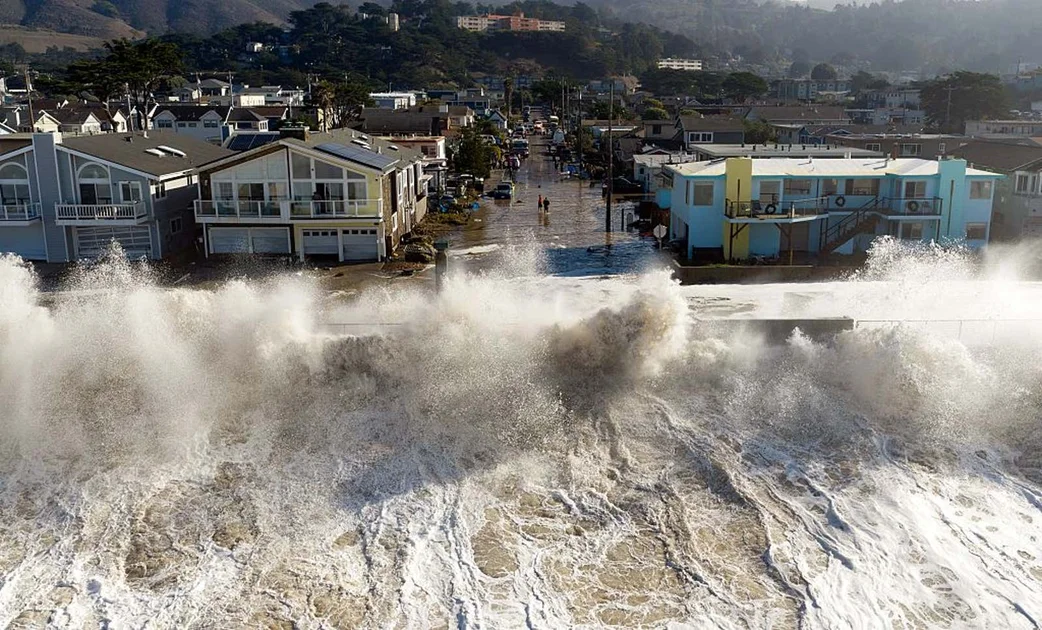
Southern California is grappling with severe coastal flooding as record-breaking king tides, supercharged by warm El Niño waters, combine with a powerful storm system to batter the coastline. The extreme conditions have already caused significant damage, including the partial collapse of the Pacifica Municipal Pier in the Bay Area and the evacuation of at least 14 homes in Pacifica due to erosion. While the most dramatic impacts have been felt in Northern California, the effects are rippling southward, with Santa Barbara setting a new all-time high tide record of 8.21 feet on Wednesday. Coastal flood warnings remain in effect for many areas through Wednesday and Thursday, and officials are warning that the worst may be yet to come as more king tides are forecast for late December and January.
Key Developments: Evacuations, Infrastructure Damage, and Power Outages
In Pacifica, Mayor Christine Boles announced that 14 homes along Viewpointe at Seaside on Sharon Way have been red-tagged after king tides and recent storms devastated the area. The mayor stated that the units are unlikely to be habitable again due to erosion. Owners and renters are being offered hotel rooms, and the Red Cross is assisting displaced residents. The city will host an event on Tuesday to help residents with displacement and other storm-related issues.
The storm system, which impacted both the East and West coasts over the Thanksgiving holiday, has left hundreds of thousands without power. As of Friday morning, around 600,000 homes and businesses remained without electricity, predominantly on the East Coast and in areas of Missouri, according to PowerOutage.us. The National Weather Service warned that the huge system will take time to weaken. On the West Coast, the storm brought heavy rain and high winds that, combined with the king tides, created dangerous conditions.
The San Francisco Bay Area experienced its highest November tides on record. On Tuesday, the tide reached 8.23 feet, and on Wednesday it hit 8.21 feet, surpassing the previous record of 7.97 feet set in 1982. The high water flooded streets, overflowed docks, and submerged sidewalks across the region. In Marin County, officials made last-minute preparations to protect Highway 101, and mitigation efforts performed well during Monday's high tide. However, the flooding extended across a bike path, road, and onto the Tamalpais High School football field in Mill Valley.
The San Francisco Zoo was closed on Sunday due to the upcoming storm, canceling both daytime visitation and evening ZooLights. The city also released a storm and flood hazard map showing areas prone to flooding, warning that high tides can flood low-lying Bay streets even without rain.
Context: Why This Matters and the Stakes Involved
The current flooding event is part of a broader pattern of extreme weather affecting both coasts of the United States. The Thanksgiving storm system, which brought heavy rain, snow, and high winds, disrupted holiday travel for millions. More than 2,900 flight delays and 462 cancellations were reported on Thanksgiving Day alone, following more than 7,000 delays the day before. Coastal flooding warnings and advisories were in place for more than 40 million people along the East and West coasts.
The king tides are a natural phenomenon that occurs when the gravitational pull of the moon and sun align to produce the highest tides of the year. However, this year's tides have been exacerbated by warm El Niño ocean water, which raises sea levels and contributes to more extreme coastal flooding. San Mateo County supervisor Ray Mueller described the current situation as "a practice run, a dress rehearsal for December and January," warning that more extreme tides are on the way. The next king tides are expected December 23-25 and January 21-22, and they could rival or exceed this week's record-setting measurements.
The damage in Pacifica, including the partial collapse of the pier and the destruction of homes, highlights the vulnerability of coastal communities to rising sea levels and extreme weather events. Pacifica Mayor Christine Boles expressed limitations on what can be done to prevent similar events, stating, "I don't think there's a lot we can do, quite honestly. I mean public works has been doing what they can to clear out the drains and to warn residents." The city's experience serves as a cautionary tale for other coastal areas facing similar threats.
Perspective: Broader Implications and What Comes Next
The repeated battering of the California coast by king tides and storms underscores the growing challenges posed by climate change and sea-level rise. While king tides are a regular occurrence, their increasing intensity and the resulting flooding are a sign of things to come. Coastal communities will need to adapt to more frequent and severe flooding events, which could require significant investments in infrastructure, such as sea walls, drainage systems, and erosion control measures.
The economic impact of the flooding is also substantial. In addition to the damage to homes and infrastructure, the storm disrupted holiday travel and caused widespread power outages. The closure of the San Francisco Zoo and the cancellation of events like ZooLights represent lost revenue for local businesses and attractions. The long-term costs of recovery and rebuilding will be significant, particularly for communities like Pacifica that have suffered repeated damage.
Moreover, the flooding event has highlighted the importance of emergency preparedness and response. The evacuations in Pacifica and the assistance provided by the Red Cross demonstrate the need for coordinated efforts to protect residents and provide support during and after disasters. As extreme weather events become more common, local governments and emergency management agencies will need to be increasingly vigilant and prepared.
The current situation also raises questions about the future of coastal development. As sea levels continue to rise, some areas may become uninhabitable, forcing residents to relocate. The red-tagging of homes in Pacifica due to erosion is a stark reminder of this reality. Communities will need to grapple with difficult decisions about how to manage retreat from vulnerable areas and how to support those who are displaced.
Looking ahead, the forecast for more king tides in late December and January means that Southern California and the Bay Area are not out of the woods yet. Residents and officials should remain vigilant and take precautions to protect lives and property. The lessons learned from this event will be crucial for preparing for the next round of extreme tides. As San Mateo County supervisor Ray Mueller aptly put it, this is a "practice run" for what may be a challenging winter ahead. With climate change expected to bring more frequent and severe weather events, the need for proactive planning and investment in resilience has never been clearer.
Comments