
Brown Announces 2028 Run Just Weeks After Victory
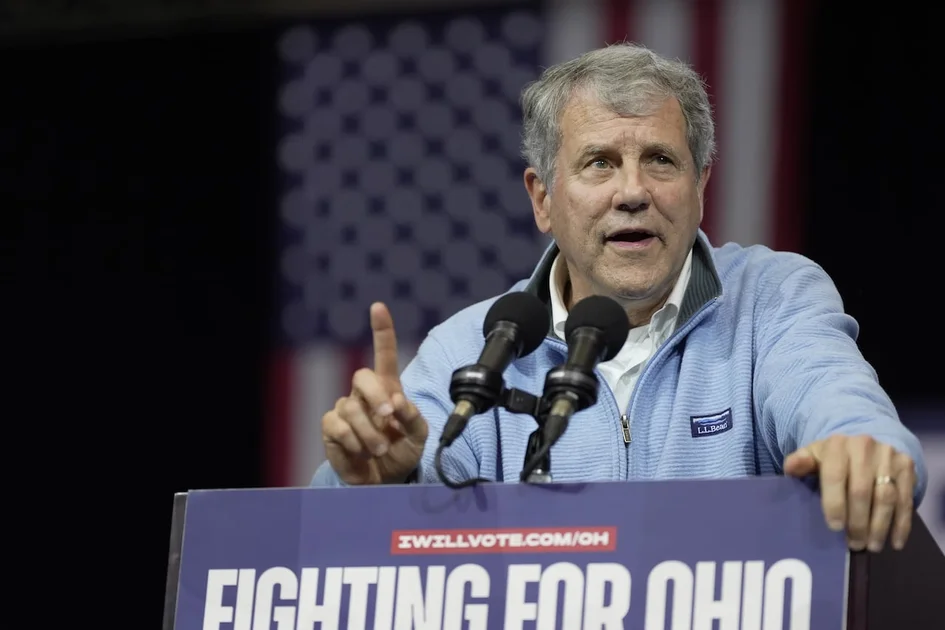
U.S. Senator-elect Sherrod Brown, a Democrat, will seek reelection to his freshly claimed seat in 2028, a campaign spokesperson confirmed Tuesday. The announcement comes less than three weeks after Brown defeated Republican incumbent Jon Husted by about 5 percentage points in the November 3 election, according to unofficial results from the Ohio Secretary of State.
Brown’s decision was first reported by WJW-TV’s Joe Toohey, who posted on social media that Brown told him he plans to seek reelection. Brown spokeswoman Samar Ahmad later confirmed the plan to cleveland.com and The Plain Dealer but declined to provide additional details. The campaign also declined an interview request from the Statehouse News Bureau.
“Senator Brown is ready to hit the ground running to take on the rigged system and lower costs for working families across Ohio who have been without a voice in Washington for too long,” Ahmad said in a text message.
A Quick Return to the Campaign Trail
The 74-year-old Brown, who served 18 years in the Senate before losing to Republican Bernie Moreno in 2024, will take office in December. But because he won the seat vacated by Vice President JD Vance and filled temporarily by Husted, he will have to run again in two years to secure a full six-year term. The appointment by Gov. Mike DeWine in January 2025 means the term expires at the end of 2028.
Context: A Comeback and a Party’s Early Bet
Brown’s victory was notable in a state that has trended Republican in recent cycles. He ousted Husted in Husted’s first bid for the chamber, flipping a seat that Republicans had held since DeWine appointed Husted to replace Vance. The win marked a rare comeback for a defeated senator; historically, just a handful of former senators have mounted similar returns.
The decision to run again in 2028 gives Democrats early certainty about having a big-name candidate to defend the seat as they seek to retain Senate control in two years. Brown’s announcement also came in response to comments from Moreno, now the newly elected chairman of the National Republican Senatorial Committee, who told WEWS-TV last week that unnamed “people around Sherrod” had said Brown didn’t intend to run in 2028. Moreno’s spokeswoman declined further comment.
Republicans Weigh Challengers
It is not immediately clear which Republicans might attempt to challenge Brown in 2028. Names being floated include outgoing Attorney General Andy Wilson and Secretary of State Frank LaRose, whose successful campaign for state auditor made him the only Ohio GOP statewide candidate to win on November 3. The race will be closely watched as a bellwether for Senate control and Ohio’s evolving political landscape.
Perspective: Stakes for Democrats and the Senate Map
Brown’s early commitment could help Democrats avoid a costly and divisive primary in a key battleground state. It also signals that the party intends to fight hard for the seat, which could be crucial in determining the Senate majority after the 2028 elections. Brown has said he wants to chair the U.S. Senate Agriculture Committee when his party takes control of the chamber in January, a post that would give him significant influence over federal farm and food policy.
The announcement also comes amid a broader political shift in Washington. Democrats won sweeping midterm victories in November, and both parties are eyeing opportunities for bipartisan reform on issues such as mass surveillance, artificial intelligence, and congressional insider trading. Independent Vermont Sen. Bernie Sanders expressed willingness to work with Republicans, saying the election made clear Americans want change.
For Brown, the 2028 race will test whether his brand of populist economics still resonates in a state that has become increasingly Republican. His ability to hold the seat could shape not only Ohio’s representation but also the national debate over working-class politics and Senate control.
Comments