
Evacuations Ordered as Sorrento Valley Fire Grows Uncontained
A fast-moving brush fire erupted in San Diego's Sorrento Valley on Monday morning, June 8, 2026, rapidly consuming 45 acres of vegetation and prompting mandatory evacuation orders for dozens of homes near the Interstate 5 and Interstate 805 interchange. San Diego Fire-Rescue officials reported zero containment shortly after 10:30 a.m. as crews struggled to slow the blaze's eastward progression.
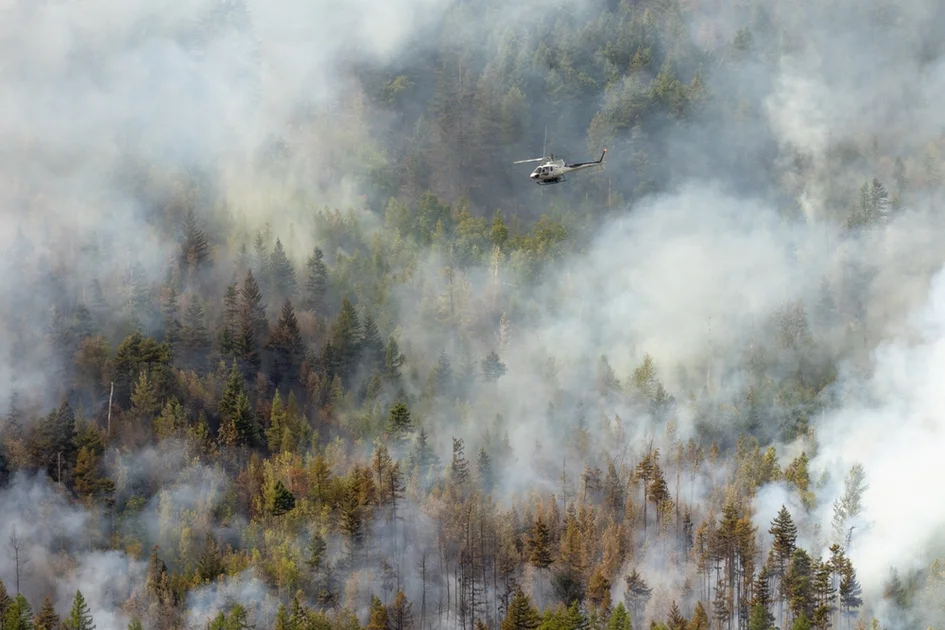
The fire was first reported around 9:20 a.m. near Vista Sorrento Parkway and Sorrento Valley Boulevard, according to the citizen reporting app Watch Duty. Within 40 minutes, it had ballooned from three acres to an estimated 30 to 40 acres, with a moderate to dangerous rate of spread. By mid-morning, the official tally reached 45 acres, with flames climbing the mountainside and sending a thick plume of dark smoke visible across northern San Diego.
San Diego police issued mandatory evacuation orders for the 10500 block of Sand Crab Place and the 10500 block of Corte Jardin Del Mar. Additional orders covered portions of East Ocean Air Drive, Abalone Landing Terrace, and Sea Pearl Cove. Residents in the affected zones were told to leave immediately. "Do not wait for conditions to worsen," the San Diego Police Department warned on social media.
A temporary evacuation site was set up at Mandell Weiss Eastgate Park, located at 4275 East Gate Mall, which also serves as the SDPD Northern Division. Evacuation warnings extended to nearly a dozen additional zones, including areas around Sea Mist Lane, Calle Crisobal, and Sorrento Valley Boulevard.
Road Closures and Traffic Disruption
Sorrento Valley Boulevard was shut down in both directions between Vista Sorrento Parkway and Camino Santa Fe, snarling commuter traffic in one of San Diego's busiest technology and business corridors. The closure compounded travel delays already caused by an unrelated tanker truck fire on northbound Interstate 5 earlier in the day.
Authorities advised drivers to avoid the area entirely and to use alternate routes such as Mira Mesa Boulevard or Carmel Mountain Road. The fire's proximity to major transportation arteries raised concerns about gridlock affecting the broader San Diego region during the Monday morning commute.
Why the Fire Matters: High Stakes in a Vulnerable Corridor
The Sorrento Valley fire is burning in one of San Diego County's most densely developed and ecologically sensitive areas. The zone encompasses the Los Peñasquitos Canyon Preserve, a popular destination for hikers and mountain bikers, as well as dozens of corporate campuses housing biotech, defense, and telecommunications firms. Hundreds of employees working in the valley faced potential evacuation or shelter-in-place orders as the fire advanced.
Threat to Life and Property
Mandatory evacuation orders covered residential neighborhoods nestled against the preserve's eastern edge. The 10500 blocks of Sand Crab Place and Corte Jardin Del Mar are directly adjacent to wildland-urban interface zones, where homes abut chaparral and coastal sage scrub. Firefighters from multiple agencies, including San Diego Fire-Rescue, the California Department of Forestry and Fire Protection, and local sheriff's departments, scrambled to protect structures as flames crept toward backyards.
A caller reported hearing an explosion followed by flames near power lines before the fire started, according to San Diego Police Officer Sarah Foster. While the cause remained under investigation, utility infrastructure has been a recurring ignition source in California wildfires. No injuries or structural damage had been reported as of late morning, but officials cautioned that conditions could change rapidly.
Meteorological Challenges
NBC 7 Meteorologist Sheena Parveen noted that onshore flow was pushing the fire east, away from the coast but toward more densely vegetated canyon slopes. Relative humidity hovered around 75 percent, but winds blowing at 15 mph from the south-southwest were sufficient to accelerate the blaze. Temperatures in the low 70s provided little relief as firefighters worked in steep terrain.
Unlike the Santa Ana wind events that drive California's most destructive wildfires, Monday's fire benefited from milder conditions. However, the moderate rate of spread still outpaced initial attack efforts, requiring air support from at least two helicopters that made repeated water drops. Approximately 145 firefighting personnel were assigned to the incident.
Broader Implications: Wildfire Season, Urban Sprawl, and Emergency Response
The Sorrento Valley fire underscores a troubling trend in Southern California: wildfires are no longer seasonal events confined to late summer and fall. June is typically the start of the "fire season" in California, but climate change has lengthened the window of risk, with major fires now possible any month of the year. The state has experienced earlier and more intense fires in recent years, driven by drought-parched vegetation and rising temperatures.
Urban Encroachment and Evacuation Complexity
Sorrento Valley exemplifies the challenges of managing fire risk in the wildland-urban interface. The area's mix of residential neighborhoods, preserved open space, and industrial parks creates complex evacuation logistics. Mandatory evacuation zones were mapped using the Genasys system, a digital alert platform that provides real-time boundary updates to residents and emergency managers.
Police and fire officials stressed the importance of heeding evacuation orders promptly. "Residents in the affected area should leave now and follow directions from emergency personnel," the San Diego Police Department said. Temporary evacuation centers are designed to accommodate evacuees and their pets, with resources for those who cannot make independent arrangements.
Infrastructure Vulnerabilities
The reported explosion near power lines before the fire ignited echoes similar incidents in other California wildfires, including the 2021 Dixie Fire, which was sparked by a tree contacting Pacific Gas & Electric power lines. Utility companies in California face mounting scrutiny over vegetation management and grid reliability, especially in high-risk areas like Sorrento Valley where power lines traverse canyon slopes. An investigation into the cause of Monday's fire will likely focus on utility equipment, though authorities have not confirmed the source.
Broader Lessons for Preparedness
The Sorrento Valley fire serves as a reminder that wildfire risk is pervasive across San Diego County, not just in remote mountain communities. Residents in coastal and inland valleys are advised to maintain defensible space around their homes, keep emergency go-bags ready, and sign up for local alert systems like AlertSanDiego. The fire's rapid growth from three to 45 acres within an hour illustrates how quickly conditions can escalate, leaving little time for warnings.
What This Changes: Policy, Planning, and Public Awareness
While Monday's fire remained relatively small compared to the megafires that have devastated parts of California in recent years, its location in a densely populated business corridor amplifies its significance. The incident will likely reignite debates about land-use planning, building codes, and fire prevention investments in wildland-urban interface zones.
Business Continuity and Economic Impact
Sorrento Valley is home to major employers in the life sciences and technology sectors, including subsidiaries of Fortune 500 companies. Prolonged road closures and evacuation orders could force businesses to activate continuity plans, potentially disrupting research operations, manufacturing, or data center functions. The area's economic output makes it a critical node in San Diego's innovation economy.
The tanker truck fire on northbound I-5 compounded the day's disruptions, creating a convergence of emergencies that tested the region's emergency response capacity. While unrelated to the brush fire, the simultaneous incidents highlighted the need for redundant transportation routes and coordinated incident management.
Emergency Response Innovations
The use of the Genasys evacuation mapping system, coupled with real-time social media updates from the San Diego Police Department, reflected a shift toward digital-first emergency communications. Residents could access precise evacuation zone boundaries and monitor fire progression through apps like Watch Duty, which aggregates scanner traffic and official data. This technological integration improves situational awareness but also requires residents to stay digitally connected during crises.
Climate Adaptation Urgency
The Sorrento Valley fire, like many recent incidents across California, underscores the urgency of climate adaptation. Warmer temperatures and prolonged drought have rendered many ecosystems more flammable, even in areas historically considered lower risk. Local governments are increasingly investing in vegetation management, fire-resistant building materials, and community education programs. However, the pace of adaptation often lags behind the accelerating threat.
For residents of the affected neighborhoods, Monday's fire was a stark reminder of the fragility of safety in a fire-prone landscape. As firefighters continued to battle the blaze through the afternoon, the immediate priority remained protecting lives and property. But the broader questions about how to live with fire in an era of climate change will persist long after the flames are extinguished.
Comments