
Family Files Lawsuit Against Six Flags After Son's Fatal Brain Injury on Roller Coaster
A grieving family has filed a lawsuit against Six Flags after their son died from a brain injury sustained during a violent roller coaster ride. The incident, which occurred at the theme park, has reignited concerns about the safety of high-thrill attractions and the adequacy of rider warnings. The family alleges that the park failed to protect its patrons from the forces that led to the fatal injury, filing the legal action as they seek accountability.
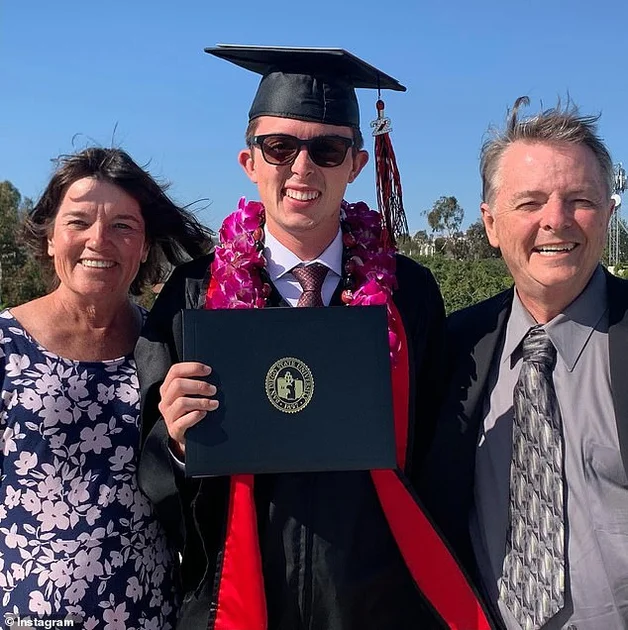
According to reports, the young man, a recent college graduate, was riding a roller coaster at a Six Flags park when the incident unfolded. While the exact ride has not been identified in all reports, witnesses described the ride as particularly intense. The family's lawsuit claims that the ride's forces caused severe brain trauma, leading to his death shortly after the incident. The legal filing says the park was negligent in its duty to ensure rider safety, potentially failing to warn of hidden risks or to properly secure harnesses and restraints.
Key Facts of the Incident
- The victim, a recent college graduate, died after being on a roller coaster at a Six Flags park.
- The family's lawsuit alleges that the ride's violent forces led to a fatal brain injury.
- The suit claims negligence on the part of Six Flags in maintaining safety protocols and warning riders.
- Six Flags has not yet issued a public statement regarding the lawsuit, but the park has faced similar legal challenges in the past.
The Stakes: Theme Park Safety Under Scrutiny
This lawsuit highlights a growing concern among safety advocates and medical professionals about the physiological risks of extreme amusement park rides. While roller coasters are generally considered safe, they subject riders to intense gravitational forces (G-forces) that can affect blood flow to the brain. In rare instances, these forces can cause serious injuries, including brain hemorrhaging, torn arteries, or stroke, especially in individuals with pre-existing but undiagnosed conditions.
The stakes here are high for the amusement park industry, which thrives on the perception of excitement without undue risk. A high-profile lawsuit like this could force parks to reassess their safety standards, particularly regarding ride intensity and medical screening for riders. Historically, parks have posted warnings for pregnant women, those with heart conditions, and those with back or neck problems. However, brain injuries are subtler, and the scientific community is still understanding how frequent and how severe these risks truly are.
Recent Background and Similar Cases
This is not the first time Six Flags has been involved in a lawsuit over a brain injury. In the past decade, there have been multiple reported cases of riders suffering head trauma after riding coasters. A notable case in 2016 involved a woman who suffered a brain aneurysm after riding a roller coaster at a different park, leading to a multi-million dollar settlement. More recently, a 2021 incident at a Six Flags park in California left a rider with a head injury, though non-fatal, after a malfunction caused a collision.
The current case, however, is particularly poignant because the victim was young and otherwise healthy, which challenges the notion that only vulnerable populations are at risk. The family's attorney has indicated that they will present expert testimony to show that the forces generated by the coaster could be lethal even to a healthy adult. Such testimony could set a precedent, making it harder for parks to claim that injuries are solely the result of pre-existing conditions.
The Rides: How Intense G-Forces Affect the Brain
To understand the severity of the injury, it's important to grasp what happens to the body on a modern roller coaster. Today's rides, such as hypercoasters and giga-coasters, can produce forces exceeding 4 Gs—four times the force of gravity. At these levels, blood is pushed away from the brain, which can lead to a temporary loss of consciousness or, in severe cases, hemorrhage.
The brain is anchored within the skull, but it is not completely fixed. When subjected to sudden accelerations or decelerations, the brain can shift and collide with the inside of the skull, causing bruising and damage to blood vessels. This is similar to the mechanism of a traumatic brain injury (TBI) seen in car crashes, but without the external impact. The shearing forces from high-speed turns and drops can also stretch and tear nerve fibers, leading to severe neurological damage.
In the case of this fatal incident, the family alleges that the ride's design was particularly aggressive, with rapid changes in speed and direction that placed exceptional stress on the riders. The lawsuit claims that Six Flags had knowledge of these forces but failed to adequately warn guests or enforce health restrictions. For instance, while many parks have height restrictions, they rarely require medical clearance for those with risk factors like a history of aneurysm or high blood pressure, which could be undiagnosed in a young person.
Industry Response and Past Accidents
The theme park industry often responds to such tragedies by emphasizing the rarity of serious injuries. According to the International Association of Amusement Parks and Attractions (IAAPA), the chance of being injured on a fixed-site ride is approximately 1 in 24 million, and fatalities are even rarer. However, these statistics are often criticized for excluding minor injuries or for being based on self-reported data.
In response to previous incidents, parks have introduced more detailed warning signs and increased staff training. Some have also added medical inquiry screens during the boarding process, but these are not always strictly enforced. After the 2016 aneurysm case, several parks, including Six Flags, began using more caution in recommending that riders with a family history of brain aneurysms avoid certain coasters. Yet, no universal standard exists for medical screening on amusement rides.
The family's lawsuit could prompt a reexamination of these practices. Their legal team plans to argue that the park failed to implement adequate measures despite knowing the potential for such injuries. They may also cite industry studies that have called for more research into the long-term effects of high-G rides, especially for repeat riders.
Broader Implications: What This Changes for Theme Park Safety and Rider Awareness
The implications of this lawsuit extend beyond the Six Flags park in question. If the court rules in favor of the family, it could open the floodgates for similar claims, pressuring amusement parks nationwide to update their safety protocols. This could include more prominent signage, mandatory safety briefings that explicitly mention brain injury risks, or even the redesign of certain roller coasters to reduce gravitational stress.
Moreover, this case highlights a need for better public awareness. Many thrill-seekers may not realize that even healthy individuals can be vulnerable to brain injuries on extreme rides. Medical experts suggest that parks should provide more explicit warnings about the potential for head trauma, not just for internal health issues but also for those who have recently experienced a head injury, even a mild concussion.
In the longer term, this case might influence how the industry views rider consent. The family's argument is that the deceased did not truly consent to the risks because he was not fully informed of them. If the court accepts this, parks could be forced to obtain written acknowledgment from riders that they understand the potential for serious injury, including death. That would be a significant shift from the current practice of relying on general signage and loudspeaker announcements.
The timing of this lawsuit also coincides with a growing public discourse about accountability in entertainment industries. From sports injuries to theme park accidents, there is a trend of holding organizations liable for foreseeable harm. As sports injuries can lead to serious legal battles, this case could become a reference point for future legal actions regarding extreme recreational activities.
A Call for Stricter Oversight and Transparency
In the wake of this tragedy, safety advocates are urging state and federal agencies to tighten oversight of amusement park rides. Currently, most parks are subject to state regulations, which vary widely. Some states, like New Jersey and Texas, have rigorous inspection programs, while others rely on self-regulation by the industry. This case might be the catalyst needed for federal legislation, similar to the Consumer Product Safety Commission's oversight of smaller attractions.
Furthermore, the family is demanding transparency in ride safety records. They have requested that Six Flags release all maintenance logs and rider incident reports for the specific ride involved, arguing that a pattern of prior issues may have been ignored. Such requests, if granted, could become standard legal practice in future injury claims, forcing parks to be more open about potential hazards.
Until then, the public is left with unanswered questions. How common are these latent injuries? Why are they so difficult to predict? And what more can be done to prevent them? For riders who seek the thrill of a 200-foot drop at 90 miles per hour, the risk might be more than just a race with gravity—it may be a gamble with their neurological health.
Conclusion: A Grieving Family Comes Forward
The lawsuit, though born of tragedy, serves as a crucial reminder of the importance of safety in the amusement park industry. It is a call to action for parks to prioritize rider well-being over the pursuit of ever-more-extreme attractions. As the legal process unfolds, it will be watched closely by experts, enthusiasts, and families alike.
For the family, it is likely a way to honor their son's memory and ensure that no other parent has to endure such a loss. Their attorney has stated that they are pursuing not just financial compensation but also an independent investigation of the incident to uncover what exactly went wrong. in court documents, they claim that "the defendant's careless and reckless conduct led to the preventable death of a vibrant young man who had his whole life ahead of him."
The outcome of this case could potentially redefine the legal standards for theme park rides and reshape the industry's approach to guest safety. While no legal action can bring back a loved one, it can serve as a powerful catalyst for change. This tragic incident, thus, is not just a personal grief but a public concern that affects anyone who has ever buckled into a roller coaster with a mix of excitement and trepidation.
As we await the court's decision, one thing is clear: the story of this young man's death will not be easily forgotten, and it may well herald a new era of accountability in thrill entertainment.
Comments