
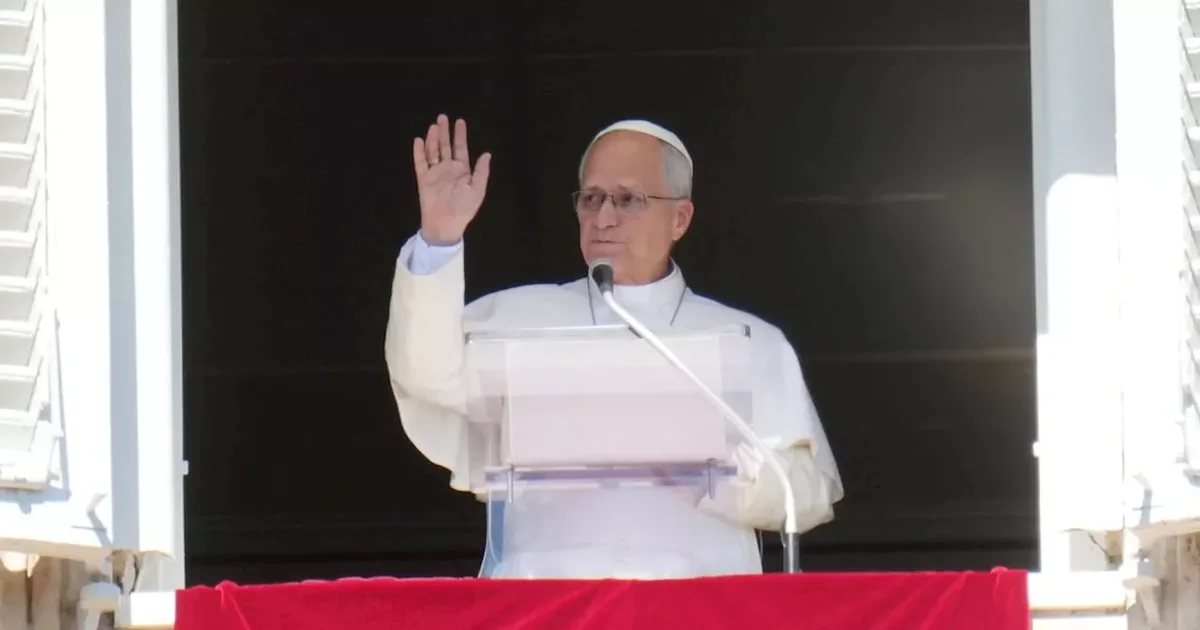
Pope Leo XIV to Undergo Lung Nodule Surgery
Pope Leo XIV will undergo surgery to remove a lung nodule in the coming days, the Vatican announced Sunday, a development that comes as the 71-year-old pontiff continues to lead the Catholic Church through a period of significant administrative transition.
The announcement, first reported by Fox News, did not specify the nature of the nodule or whether it is benign or malignant. The Vatican said further details would be released after the procedure. The pope is expected to remain hospitalized for several days of recovery.
A Health Concern for a Active Pontiff
The news marks the most serious health issue disclosed since Leo XIV was elected to the papacy. Since taking office, he has maintained a busy schedule of audiences, travel, and liturgical celebrations. Just last month, he greeted pilgrims at a weekly general audience in St. Peter's Basilica, appearing in good spirits.
While the Vatican has not elaborated on the pope's condition, lung nodule surgeries are common and often precautionary. The pontiff's medical team is expected to provide updates in the days ahead.
Vatican Governance Continues with New Appointments
The health announcement came just one day after Pope Leo made a series of significant appointments that will shape the administration of the Vatican for years to come.
On October 10, the pope named Archbishop Vittorio Francesco Viola as the new archpriest of St. Peter's Basilica and his vicar for Vatican City. Archbishop Viola, a 61-year-old Franciscan from northern Italy, currently serves as secretary of the Dicastery for Divine Worship and the Discipline of the Sacraments. He succeeds Cardinal Mauro Gambetti, who was appointed archbishop of the Archdiocese of Chieti-Vasto last week.
A Franciscan Legacy at the Basilica
Archbishop Viola brings a deep background in liturgy and pastoral care to his new role. Born in Biella in 1965, he entered the Franciscan order after high school and was ordained a priest in Assisi in 1993. He holds a doctorate in sacred liturgy and has served in the Roman Curia since 2021. As archpriest, he will oversee the daily administration of St. Peter's Basilica and preside over liturgies when the pope is not present. He also becomes president of the Fabric of St. Peter, the office responsible for maintaining the basilica complex.
In a related move, Pope Leo appointed Spanish Bishop Aurelio García Macías to succeed Archbishop Viola as secretary of the Dicastery for Divine Worship. Bishop García Macías has worked in the dicastery since 2015 and as undersecretary since 2021.
Why It Matters: A Church in Transition
The dual developments—a serious health procedure for the pope and a reshuffling of key Vatican posts—underscore a period of both continuity and change in the Catholic Church.
Pope Leo XIV, elected in 2025, has focused on consolidating reforms and promoting pastoral outreach. His appointments reflect a preference for experienced curial officials with strong liturgical backgrounds. Archbishop Viola's Franciscan spirituality and administrative experience align with the pope's emphasis on humble service and doctrinal fidelity.
Stakes for the Vatican
Should the pope's surgery require extended recovery, the day-to-day governance of the Church would fall to Cardinal Secretary of State Pietro Parolin and other senior officials. The Vatican has not indicated any need to delegate papal authority, and the pope is expected to resume his duties shortly after surgery.
Pope Leo has been a vocal advocate for peace and interreligious dialogue, and his health will be closely watched by Catholics worldwide. The Vatican's communication strategy in the coming days will be critical in managing expectations and reassuring the faithful.
Perspective: A Resilient Pontificate
Pope Leo XIV's health challenge arrives at a time when the Church faces numerous global challenges, from regional conflicts to internal debates over synodality. His ability to lead through this moment will depend not only on his physical recovery but also on the institutional stability he has cultivated through recent appointments.
The swift naming of Archbishop Viola and Bishop García Macías ensures that key Vatican offices remain fully staffed. This continuity is likely to be a source of reassurance for Catholics and observers alike.
As the pope prepares for surgery, the world will watch for signs of his condition. The Vatican's upcoming briefings will provide the first indications of how quickly he can return to his full schedule. For now, the pope's physicians and his closest collaborators are preparing for a procedure that, while routine, carries significance for the leadership of the global Church.
Comments