
Blanche Confirmation Vote Delayed as Key Republican Wavers
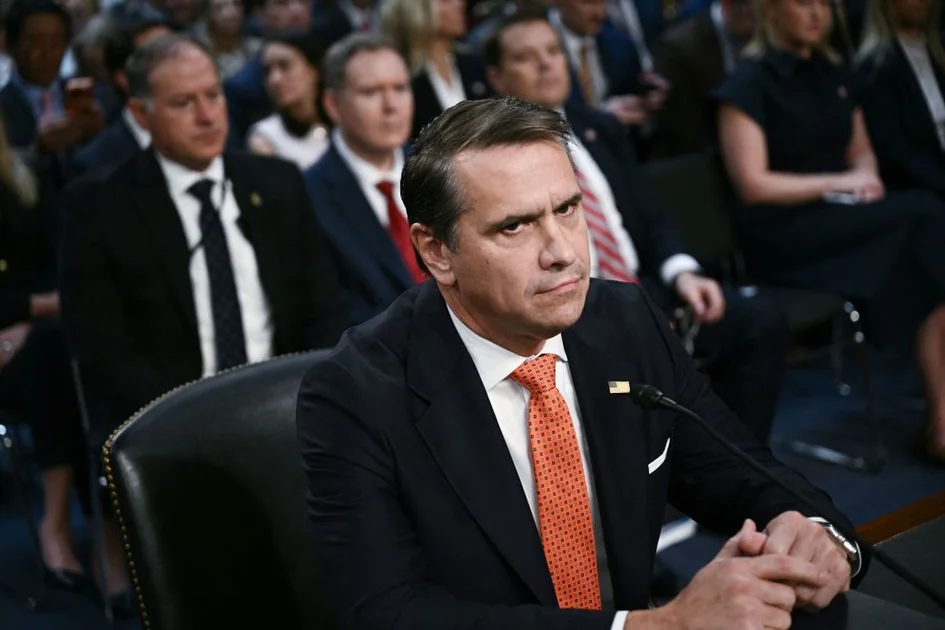
The nomination of Todd Blanche to become U.S. attorney general remains in limbo more than a week after his confirmation hearing, with Senate Judiciary Committee Chairman Chuck Grassley yet to schedule a vote. The hold-up centers on Sen. John Cornyn of Texas, a crucial Republican whose single "no" vote in committee could derail the nomination entirely.
Cornyn expressed deep dissatisfaction with Blanche’s refusal to formally renounce the so-called anti-weaponization fund, a $1.776 billion settlement that effectively immunizes President Trump, his family, and his businesses from IRS audits and other government investigations. During the July 15-16 hearing, Blanche admitted that Trump could still sue to enforce the deal, which Cornyn called a "sweetheart arrangement."
"I’m not going to make a decision until I have to," Cornyn told reporters, underscoring the fragility of Blanche’s path to confirmation. With Democrats expected to vote unanimously against Blanche, every Republican vote is essential.
The Anti-Weaponization Fund: A Deal That Won’t Die
At the heart of the controversy is the settlement Blanche helped negotiate as both Trump’s personal lawyer and as acting attorney general. The agreement, unveiled in May, created a taxpayer-funded "anti-weaponization fund" and ended any IRS audits of the president. Critics, including Sen. Cornyn, view it as a corrupt bargain that immunizes Trump from legal accountability.
During the hearing, Blanche insisted the fund was "dead," but Cornyn pressed him on the legal technicalities. Blanche conceded that the deal remains enforceable because it is a contract that was never modified in writing. This admission further eroded trust among Republicans who had hoped Blanche would restore independence to the Justice Department.
Cornyn’s concerns were amplified by a blistering 56-page ruling from U.S. District Court Judge Kathleen Williams, issued on the eve of the hearings. Williams called the entire lawsuit that led to the settlement "non-adversarial, collusive, and jurisdictionally improper." She noted that Blanche’s role on both sides of the case "demonstrates that there was only one party whose interests were being represented." Williams referred the matter to the State Bar of New York.
Ethics Complaints Mount from Former Judges
The New York bar complaint is just one of many ethical clouds hanging over Blanche. More than 100 former federal and state judges have filed a 73-page ethics complaint against him, citing his involvement in the anti-weaponization case, the political prosecution of former FBI Director James Comey, and what they describe as his botched handling of the Epstein files.
The Comey prosecution, which Blanche personally oversaw, has been widely ridiculed as weak. The case relies on Comey’s Instagram post of seashells spelling "86 47" — a reference to Trump’s 47th presidency. Legal experts say the charge is politically motivated and unlikely to survive court scrutiny.
Blanche’s handling of the Epstein case has also drawn sharp criticism. Investigators claim that under his leadership, the Justice Department failed to pursue leads beyond Epstein and Ghislaine Maxwell, and that victims’ identifying information was mishandled.
Epstein Survivors: ‘Betrayed’ After Meeting with Blanche
A particularly charged moment came during the hearing when Sen. Thom Tillis, R-N.C., demanded that Blanche meet with Epstein survivors before he would commit to voting for him. Tillis, who acknowledged he was leaning toward supporting Blanche, gave him two weeks to hold the meeting.
Blanche complied on Thursday afternoon, meeting survivors at Justice Department headquarters. But the encounter left attendees feeling angry and hurt. Dani Bensky, a survivor who testified at the hearing, released a statement accusing Blanche of treating the meeting as a "check-the-box exercise" to secure votes.
According to a representative of survivors who spoke on condition of anonymity, Blanche opened the meeting with a moment of personal empathy — whispering to Sky Roberts, brother of late survivor Virginia Giuffre, that he understood loss because he had lost his sister. But the tone quickly shifted. Blanche told participants, "I’m not asking you guys to commit to anything today, and I don’t expect that I have to commit to anything, too." He insisted he was powerless to open a new investigation into Epstein’s network, despite survivors’ pleas.
After the meeting, Blanche told reporters, "It wasn’t all cordial. Because there’s something that they want that I don’t think I can give them, which is some form of justice." He offered only a vague promise that "maybe we can do a prosecution at some point."
The Kinsley Gaffe That Defined His Hearing
Perhaps the most revealing moment of Blanche’s testimony came not from a hostile questioner but from a friendly one. Sen. John Kennedy of Louisiana, a Republican who appears inclined to support Blanche, asked whether he considered Trump a friend.
Blanche replied, "I’m his lawyer," before quickly correcting himself: "Was his lawyer." The slip was what journalist Michael Kinsley called a "gaffe" — an unintentional admission of truth. Blanche may no longer be Trump’s private attorney, but his actions as acting attorney general suggest his loyalty remains with the president, not the Constitution.
The Atlantic described the moment as evidence that Trump has "demolished everything but the occasional pretense of an independent Justice Department." Blanche has already overseen politically charged investigations, including the Comey case, and the settlement that critics say weaponizes the department against Trump’s enemies while shielding him.
What’s Next: Tight Timeline, High Stakes
Grassley has scheduled a committee vote for July 30. With Democrats united in opposition, Blanche cannot afford to lose a single Republican. Cornyn remains the key holdout, but other Republicans may also waver as more ethical concerns emerge.
Even if the Senate rejects Blanche, he could remain acting attorney general indefinitely, as he has done since Trump fired Pam Bondi three months ago. Bondi was dismissed, according to reports, after failing to implement Trump’s agenda aggressively enough. Blanche has shown no such reluctance.
For Cornyn, the decision is politically delicate. Supporting Blanche could alienate moderate voters and invite scrutiny of the anti-weaponization deal. But opposing Trump’s pick could anger the president’s base and invite primary challengers.
“He says it’s dead, but he admitted that it could be enforced,” Cornyn said of the settlement. “This is essentially a contract, and it hadn’t been modified by the parties in writing.”
The question now is whether Cornyn will cave or hold firm — and whether Blanche can survive the growing storm of ethics complaints, survivor outrage, and legal condemnation.
Broader Implications for Justice Department Independence
Blanche’s nomination is more than a single personnel decision. It represents a critical test of whether the Justice Department can retain any semblance of independence from the White House. Under Blanche, the department has launched investigations targeting Trump’s political enemies, settled dubious deals to protect the president, and mishandled sensitive cases like Epstein’s.
Legal scholars warn that confirming Blanche would further entrench a pattern of politicization. "The rule of law depends on enforcers who are independent," wrote Robert Kuttner in The American Prospect. "Blanche has shown he is nothing but Trump’s lawyer in a different suit."
The Senate’s decision, due by the end of July, will signal whether Congress is willing to challenge the erosion of institutional guardrails. For now, all eyes are on Cornyn — and on the survivors, judges, and ethics watchdogs who hope his conscience will override party loyalty.
Comments