
Sabalenka Pleads with Wimbledon to Reverse Dog Ban: 'Let the Dogs Inside'
World No. 1 Calls for Change After Second-Round Win
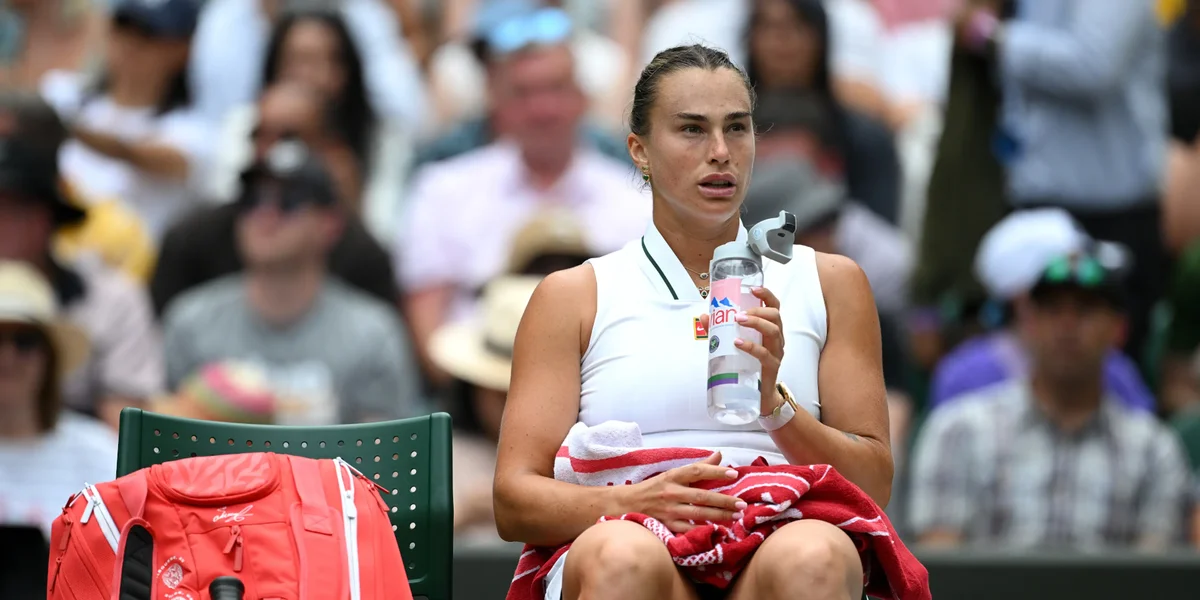
Aryna Sabalenka, the world No. 1 and top seed at Wimbledon, has made an emotional plea to the All England Club to reconsider its long-standing ban on players bringing their pet dogs onto the tournament grounds. Speaking after her 6-1, 7-6(9) victory over McCartney Kessler in the second round on Wednesday, July 2, 2026, Sabalenka did not hide her disappointment with the policy, which she says forces her to leave her beloved Cavalier King Charles Spaniel, Ash, at home.
"I don't agree with that!" Sabalenka said with a smile, before explaining her position in more detail. The Belarusian star acknowledged that Wimbledon officials are likely concerned about potential damage to the historic All England Club facilities, but she argued that players' pets are well-behaved and would not cause problems. "I have to say all of our dogs are very well-trained. They're not going to do anything wrong inside of this beautiful building. We have to change that," she asserted.
The plea comes after the French Open, held just weeks ago at Roland Garros, set a new standard for pet-friendly tennis by introducing a dedicated dog concierge service, complete with professional dog walkers and sitters. That tournament saw players like Sabalenka, Mirra Andreeva, and Anna Kalinskaya bring their dogs into player areas, with Andreeva even celebrating her title with a puppy on court. Sabalenka now hopes Wimbledon will follow suit.
The Emotional Toll of Leaving Ash Behind
Sabalenka opened up about the emotional difficulty of being separated from Ash, who joined her family earlier this year. The puppy has become a central part of her mental wellness routine, helping her stay calm and grounded during the grueling tennis season. "It just sometimes hurts to leave him at the house by himself. He really gets attached a lot. But he suffers staying alone. It really hurts my feelings," she said, visibly moved.
She described Ash as "just like a little fluffy thing that always wants a cuddle and love," adding that time spent with him is a form of meditation. "Going to the park with him, walking around, is also like some sort of meditation for me," Sabalenka explained. This sentiment has been echoed by other players who travel with their pets for emotional support.
The Policy and Its Defense
Wimbledon's chief executive, Sally Bolton, addressed the issue before the start of the tournament, confirming that the All England Club's policy has been communicated clearly to all players. "The only dogs that we permit on site are service dogs and those security and search dogs," Bolton stated. She added that the club is in constant communication with players and does not anticipate the policy becoming a problem.
The official reasons for the ban, as reported by journalist Jon Wertheim on the Tennis Channel, include strict UK pet quarantine regulations and concerns about protecting Wimbledon's famous grass surfaces—not just the courts but also the public lawns like Henman Hill. "What is going on here at Wimbledon? Well, I was given two answers by the club. One is that there are some very strict pet quarantine policies in the UK. Also, the grass is an issue. Not just the grass courts, but the fields. Henman Hill behind us. It does not go well with dogs and grass and public spaces. So, alas, no dogs at Wimbledon," Wertheim explained.
Despite these justifications, Sabalenka and others are pushing for a change, arguing that the benefits to player well-being outweigh the logistical concerns.
Why Wimbledon's Dog Policy Matters
The French Open Set a New Precedent
This year's French Open marked a turning point for pet policies in tennis. The tournament not only allowed players' dogs into player areas but actively catered to them. Official accreditations were issued for canine companions, and a dedicated dog concierge service was introduced. Players like Anastasia Potapova, with her toy poodle Bula, and Anna Kalinskaya, with her dog Bella, became fixtures in the Roland Garros player lounge.
The highlight came when teenage champion Mirra Andreeva posed with her coach Conchita Martinez's puppy, Luna, after winning the title. Alexander Zverev also celebrated with a dog on court. These scenes, widely shared on social media, underscored the growing trend of players treating their pets as essential travel companions.
Sabalenka herself celebrated with Ash after winning the Miami Open earlier this season, a moment that fans warmly received. She noted that having Ash by her side during events feels like "meditation," helping her manage the pressure of being the world No. 1.
The Mental Health Argument
The debate over Wimbledon's dog ban is part of a broader conversation about mental health in professional tennis. The tour is notoriously demanding, with players spending months away from home, family, and familiar comforts. Pets offer companionship, routine, and unconditional affection—qualities that can help alleviate stress and loneliness.
Sabalenka has spoken openly about how Ash has helped her become "more settled, calm, more in control." During her Indian Wells title run, she brought Ash to a post-match interview, saying, "Whenever I feel like going crazy on my team, I just pet Ash and I feel better." For players who already sacrifice so much to compete at the highest level, being able to bring a pet can be a significant emotional anchor.
Wimbledon's Tradition vs. Modernity
Wimbledon has long been considered the most traditional of the four Grand Slams, with strict dress codes, a predominantly white color scheme, and a reverence for its history and grounds. The All England Club's reluctance to allow dogs is consistent with this conservative approach. However, critics argue that traditions must evolve to support athlete welfare.
Martina Navratilova, a Wimbledon legend and member of the All England Club, has been vocal in her support for changing the policy. She dismissed the club's official reasons as a "baloney excuse." Speaking to the Tennis Channel, Navratilova said, "The quarantine, that's a baloney excuse, as is the grass. They just don't want dogs here. But I think one day they will change. I'm a member here. I insist we must change these rules. These players give up so much to be on the road. At least they can bring their dog with them. And here they make it really complicated."
Navratilova's intervention carries weight, given her legendary status at the club. Her support for Sabalenka's plea signals that the push for change is not just coming from the current generation of players but also from respected figures within the sport.
Broader Implications and What Comes Next
A Growing Movement in Tennis
The dog policy debate at Wimbledon reflects a wider shift in tennis toward prioritizing player mental health and comfort. The ATP and WTA tours have increasingly recognized the importance of support systems, including family, friends, and even pets, in helping players perform at their best.
At the French Open, the dog concierge service was part of a broader player experience upgrade that also included improved childcare facilities and relaxation zones. Wimbledon has taken steps in other areas, such as offering more family-friendly accommodations and extending practice court hours, but the dog ban remains a notable exception.
Sabalenka's plea, amplified by Navratilova's criticism, has placed the issue at the center of this year's Championships. Other players, including Potapova and Kalinskaya, are known to travel with their dogs and have likely supported Sabalenka's remarks behind the scenes. The collective voice of the WTA could pressure the All England Club to reconsider.
Potential for Change
While the All England Club has not indicated any immediate plans to alter its policy, the public nature of Sabalenka's plea suggests that the topic is now firmly on the table. Club members, like Navratilova, are in a position to propose rule changes internally. Additionally, the success of the French Open's pet program provides a clear blueprint that Wimbledon could adapt.
The quarantine argument is weaker than it might seem. The UK's pet travel scheme allows dogs to enter from the EU with proper documentation and microchipping, and many players already navigate these requirements when traveling between tournaments. The grass concern could be addressed by designating specific areas for dogs, away from the main lawns and courts.
Sabalenka herself offered a compromise: "Well-trained dogs will not damage anything." She expressed hope that Wimbledon would eventually see that the policy is not only outdated but also unnecessary.
The Immediate Impact on Sabalenka
For Sabalenka, the focus remains on winning matches. She advanced to the third round and is set to face Jelena Ostapenko, a dangerous opponent. Yet, her comments reveal that her mind is not entirely on tennis. The emotional strain of leaving Ash behind is real, and it may affect her concentration as the tournament progresses.
Other players at Wimbledon share her circumstance. Mirra Andreeva, who exited the tournament in a stormy second-round loss to Barbora Krejcikova, as reported in our Andreeva Breaks Down in Tears After Stormy Wimbledon Exit to Krejcikova article, would likely have appreciated her coach's puppy for comfort. Meanwhile, the Ukrainian derby between Elina Svitolina and Dayana Snigur, highlighted in Svitolina vs Snigur: Ukrainian Derby Headlines Wimbledon Second Day, shows how off-court challenges can weigh on players.
If Wimbledon does eventually change its policy, it would be a win not just for Sabalenka but for the entire tour. Until then, players like her will have to make do with phone calls home and the knowledge that Ash is waiting for her return.
Conclusion
Aryna Sabalenka's heartfelt plea to "let the dogs inside" has reignited a debate that sits at the intersection of tradition, mental health, and player welfare. While the All England Club remains firm in its position, the growing chorus of voices calling for change—including legends like Martina Navratilova and the successful example set by the French Open—suggests that this policy may not stand forever. For now, the world No. 1 will continue to compete at Wimbledon, but with a piece of her heart left behind with a little fluffy thing named Ash.
Comments