
Record-Breaking Capture
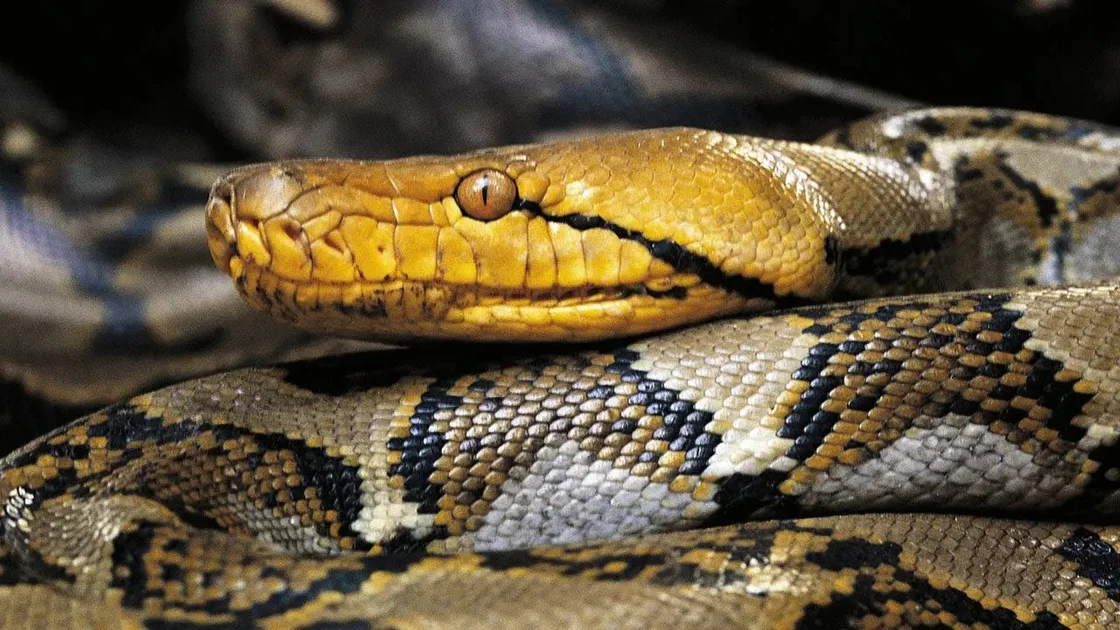
A South Florida snake wrangler has captured the largest reticulated python ever measured in Puerto Rico, an 18-foot-4-inch specimen that was spotted strangling a pet cat behind a residential home. The capture, announced Monday by hunter Kevin Pavlidis—known online as "Snakeaholic"—has drawn attention to the island's growing population of invasive constrictors and the ecological threat they pose.
Pavlidis, who collaborated with the Puerto Rican python tracking group Proyectos Retic, said the snake was reported after it was seen attacking the cat. The team began searching the area and located the python within 20 minutes, according to his social media posts and video footage. The animal was chased down a mountain into the jungle before being subdued. It took eight people standing shoulder-to-shoulder to hold the snake up for a photograph, underscoring its exceptional size.
"As incredible as these snakes are, they are an unbelievably large threat to the delicate" ecosystem, Pavlidis wrote on Threads, according to BroBible. He emphasized that the removal of such apex predators is part of ongoing conservation efforts and attributed the snakes' presence to human error—the introduction of non-native animals—rather than to the animals themselves.
Verification and Measurement
After the capture, Pavlidis and his team measured the snake on camera to confirm its record status. At 18 feet and 4 inches, it surpasses any previously documented reticulated python in Puerto Rico. For context, the longest reticulated python ever measured worldwide was a 23-foot-8-inch female known as "The Baroness" (or "Ibuan"), captured in Indonesia's South Sulawesi region earlier this year. Unverified historical claims of a 32-foot specimen from 1912 have never been substantiated.
The reticulated python is the world's longest snake species, native to Southeast Asia. In Puerto Rico, however, it is an invasive species that has established a breeding population, much like the Burmese python has in South Florida.
The Invasive Threat
The capture highlights a deepening ecological problem in Puerto Rico. Reticulated pythons, which can grow to enormous lengths and are capable of consuming large prey, pose a significant risk to native wildlife. The island's fauna evolved without such large constrictors, leaving many species vulnerable to predation.
Pavlidis noted that the snakes are not to blame for their presence; rather, the situation stems from human activities, likely the release or escape of exotic pets. Once established, invasive constrictors are notoriously difficult to eradicate. The Burmese python population in Florida's Everglades serves as a cautionary example: decades of removal efforts have failed to halt their spread, and researchers continue to document severe declines in native mammal populations.
A Breeding Population
According to the sources, reticulated pythons have established a breeding population in Puerto Rico, meaning the problem is not limited to isolated escapees. Proyectos Retic, the local group working with Pavlidis, collects data and specimens to better understand the scope of the invasion. Their efforts mirror those of snake hunters in Florida, who routinely patrol the Everglades for Burmese pythons.
The record catch has also sparked public interest in the dangers these snakes pose to pets and, potentially, to humans. While reticulated pythons rarely attack people, their size and strength make them capable of killing small animals, as the incident with the pet cat demonstrates. The source material does not mention whether the cat survived.
A Growing Problem
The capture of an 18-foot python in a residential area underscores how invasive species can move from wild spaces into human-dominated landscapes. Puerto Rico's tropical climate and abundant prey provide ideal conditions for reticulated pythons to thrive, and the island's rugged terrain makes systematic removal challenging.
Pavlidis's work is part of a broader effort by wildlife managers and volunteer hunters to control invasive constrictors. Social media has amplified these efforts, with hunters like Pavlidis and others building large followings by documenting their catches. The attention can help raise awareness, but it also complicates the narrative: the snakes are both magnificent animals and ecological disasters.
Lessons from Florida
Florida's experience with Burmese pythons offers a stark warning. Despite annual removal programs and high-profile hunting challenges, the snakes have spread across the Everglades and beyond, decimating populations of raccoons, opossums, and other small mammals. Eradication is considered impossible; managers now focus on containment and reducing densities in key areas.
Puerto Rico may face a similar trajectory. The presence of a breeding population suggests that reticulated pythons are already well established. Removing an 18-foot adult is a notable achievement, but it likely represents a small fraction of the total population. Sustained, long-term removal efforts will be necessary to protect native species.
What the Record Means
The capture of Puerto Rico's largest recorded reticulated python is a reminder that invasive species management is often a race against time. Each removed snake can prevent countless native animals from being consumed, but the discovery of a breeding population indicates that the problem is already entrenched.
For Pavlidis, the catch is both a personal milestone and a contribution to conservation. His videos and posts have drawn attention to the issue, and the involvement of local group Proyectos Retic suggests that grassroots efforts can play a role in addressing the invasion. However, the scale of the challenge is immense.
The record also raises questions about how such large snakes arrive on the island. The exotic pet trade is a likely pathway, but enforcement and public education are essential to prevent further introductions. Without addressing the root causes, removal efforts will remain a costly and endless task.
As Puerto Rico grapples with its invasive python problem, the 18-foot-4-inch snake serves as a symbol of both the resilience of nature and the unintended consequences of human actions. Its capture is a victory for the hunters, but the larger battle is far from over.
Comments