
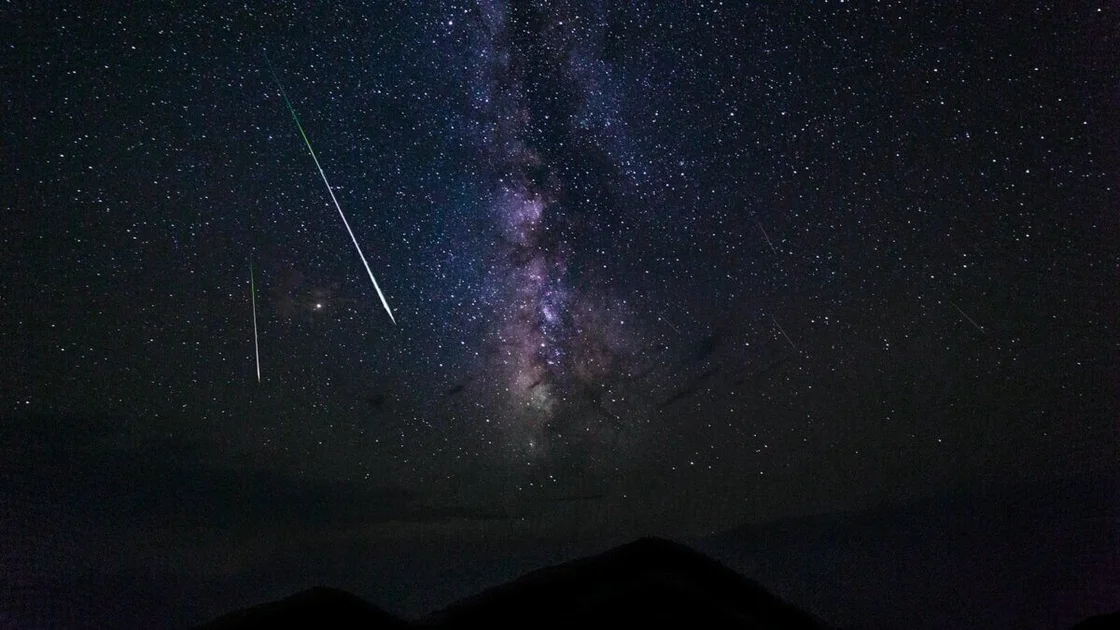
Peak Viewing Conditions Align for the Perseids This August
Skywatchers across the Northern Hemisphere are in for a treat this August as the annual Perseid meteor shower prepares to deliver one of its best performances in recent years. Active from July 17 through August 24, the shower is expected to peak on the nights of August 12 and 13, according to the American Meteor Society. The 2026 display is generating particular excitement because the peak coincides with a new moon, leaving the skies exceptionally dark and making even the faintest meteors visible.
At the height of the shower, observers under clear, dark skies could see between 50 and 100 meteors per hour, along with brilliant fireballs. NASA describes the Perseids as the best meteor shower of the year, noting that its swift and bright meteors often leave long wakes of light and color as they streak through Earth’s atmosphere. The shower originates from debris left behind by Comet 109P/Swift-Tuttle, a massive comet with a 16-mile nucleus that orbits the sun every 133 years.
Why This Year Stands Out
The absence of moonlight during the peak dramatically improves visibility. Without lunar glare, even the smallest particles of cometary material that burn up in the atmosphere will be easier to spot. Experts recommend heading to areas far from city lights and allowing 20 to 30 minutes for eyes to adjust to the darkness. The best viewing occurs after midnight through the pre-dawn hours, although meteors can be seen throughout the evening.
Where and How to Watch the Perseids
For optimal viewing, stargazers should seek out locations with minimal light pollution. The United States is home to more than 150 dark-sky designations, including national parks and remote wilderness areas. Great Basin National Park in Nevada, more than 200 miles from major cities like Las Vegas and Salt Lake City, is widely regarded as one of the darkest spots in the contiguous U.S. Other recommended destinations include high-elevation sites in the Rocky Mountains and coastal parks along the West Coast.
NASA advises observers to lie flat on their backs facing the northern sky, toward the constellation Perseus, from which the meteors appear to radiate. Ransom Canyon Season 2 Delivers Love Triangles, Departures, and a Baby Twist While the shower is named after Perseus, meteors can be seen streaking across the entire sky. The best strategy is to scan a wide area rather than focusing on a single point.
What Are Fireballs?
The Perseids are famous for producing fireballs—larger explosions of light and color that persist longer than typical meteor streaks. These occur when larger fragments of cometary material enter the atmosphere at high speed. Fireballs can appear brighter than Venus and sometimes produce sonic booms. The combination of favorable lunar conditions and the shower’s natural intensity means that 2026 could deliver an unusually high number of these dramatic events.
Broader Significance of the Perseids
Beyond their visual spectacle, the Perseids offer a tangible connection to the solar system’s dynamics. Each year, Earth passes through the same debris stream left by Comet Swift-Tuttle, a reminder of the planet’s journey through space. The shower also serves as a gateway for public engagement with astronomy, drawing millions of people outdoors to look up.
This year, the peak occurs just hours after a total solar eclipse visible from parts of Greenland, Iceland, and Spain, with a partial eclipse visible across Europe and parts of North America. The back-to-back celestial events provide a rare opportunity for both seasoned astronomers and casual observers to witness two major phenomena in quick succession.
For those unable to travel to dark-sky locations, local astronomy clubs often host public viewing events. Even in suburban areas, a modest reduction in light pollution can significantly enhance the experience. Patience is key—experts recommend spending at least 30 minutes outdoors to allow the eyes to fully adapt.
The Perseids have been observed for centuries, with records dating back to ancient Chinese and Japanese astronomers. Today, they remain a highlight of the summer calendar, a natural fireworks display that requires no special equipment. New Cyclospora Outbreak Emerges With 72 Cases as CDC Probes Unknown Source All that is needed is a dark sky, a comfortable chair, and a sense of wonder.
As the shower continues through late August, even nights after the peak can yield impressive meteor counts. The new moon on August 12 will keep skies dark for several days, extending the window for prime viewing. Whether you are a lifelong stargazer or a first-time observer, the 2026 Perseid meteor shower promises a memorable show.
Comments