
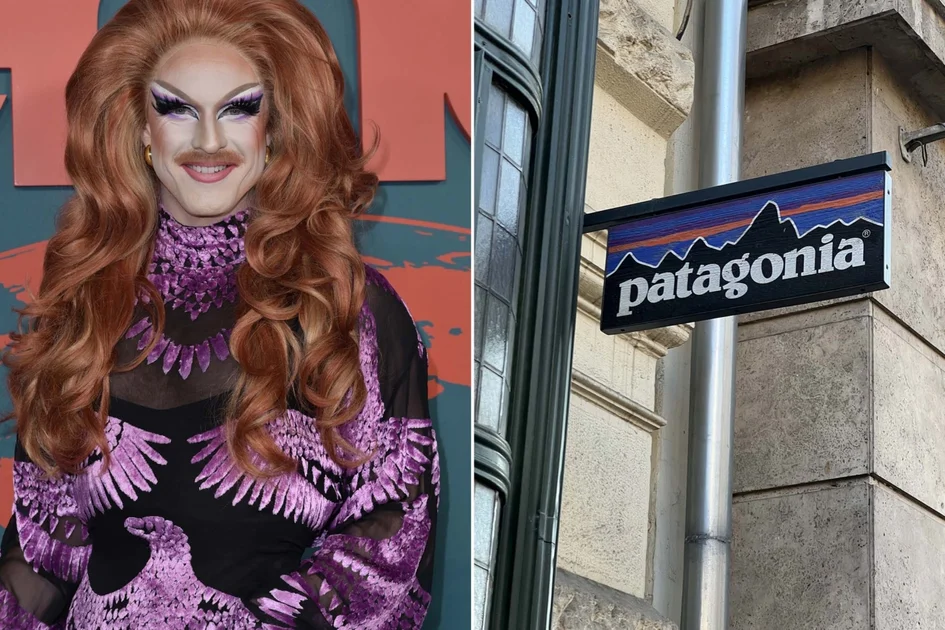
Drag Queen Pattie Gonia Urges Patagonia to Drop Trademark Lawsuit Over Name
Drag queen and environmental activist Pattie Gonia is publicly demanding that outdoor apparel giant Patagonia drop a trademark infringement lawsuit, which she says threatens to erase her name and silence her climate advocacy. In a statement released Wednesday, May 27, 2026, Pattie Gonia — the drag persona of Oregon-based activist Wyn Wiley — accused the company of betraying its own mission by pursuing legal action.
“Patagonia told the media they’re only suing me for $1. What they’re actually trying to do is take away my name permanently and threaten me with more than $1 million dollars in legal fees,” Pattie Gonia wrote. “This is not a brand conflict. This is a corporation trying to erase an activist.”
Patagonia filed the federal lawsuit in January 2026 in the U.S. District Court for the Central District of California, alleging that Wiley violated a 2022 agreement that restricted the drag queen from selling branded products or using designs “substantially similar” to Patagonia’s logo. The company claims that Wiley’s trademark application for “Pattie Gonia” — covering apparel, marketing, and events — signals a shift from activism to a commercial enterprise. Patagonia is seeking $1 in damages plus attorneys’ fees, and an order blocking the use of the name.
The activist, who has raised nearly $5 million for nonprofits supporting LGBTQ+ and BIPOC outdoor access, broke her silence after months of private negotiations. “I had two choices: the erasure of my name, my advocacy, my community, and everyone I employ — or fight for myself and fight for us,” she said.
Why the Lawsuit Matters: Stakes for Activists and LGBTQ+ Communities
At the heart of the dispute is the question of whether a drag persona created for activism and parody can be trademarked without infringing on a corporate brand. Pattie Gonia — whose name is a play on Patagonia — says her merchandise is part of performance art, parody, and environmental advocacy, not a competing business.
Patagonia, based in Ventura, California, claims the opposite. “The trademark application reflects Pattie Gonia’s departure from discrete use of a persona to engage in activism,” the company said in January. “Unfortunately, we could not reach an agreement,” a spokesperson reiterated this week.
Trademark attorney Josh Gerben said that the line was crossed when Wiley filed for a trademark to sell branded merchandise. “Where you cross the line is when you start to sell your own branded merchandise using the Pattie Gonia name,” Gerben told NBC News.
Pattie Gonia denies the existence of any binding agreement beyond a one-time project. She also notes that her name is inspired by the Patagonia region of South America, not the clothing brand. In an open letter shared on Instagram, she proposed a truce: “Our home planet needs every dollar and every moment of time we can all give to it right now. We can’t afford to waste time and money fighting among ourselves.”
If Patagonia prevails, it could set a precedent affecting other activists and performers who use parody names. The case has already sparked calls for a boycott on social media, with LGBTQ+ advocates accusing the company of using its financial might to silence a critic.
Broader Implications: Corporations, Activists, and the Fight for Name Rights
The lawsuit arrives amid a growing trend of legal battles between corporations and individuals over trademark rights. For Pattie Gonia, the case raises the specter of what happened to fellow drag queen Lexi Love, whose social media accounts and gigs disappeared amid a trademark dispute. “If Patagonia succeeds, it could erase a venue that protects activists from that fate,” the activist warned.
Patagonia — a company worth roughly $3 billion — has long marketed itself as environmentally conscious. But critics say suing a climate activist undermines that reputation. “This is a betrayal of Patagonia’s core mission,” Pattie Gonia said. “If they’re in business to save the home planet, why are they suing a climate activist?”
The case also underscores the challenges drag artists and activists face when their names intersect with commercial trademarks. As drag culture becomes more mainstream, performers increasingly seek legal protection for their personas — putting them in conflict with brands that see such names as infringing.
For now, Pattie Gonia is encouraging supporters to respectfully ask Patagonia to drop the suit. She has also pointed out that the company’s legal demands could result in $1 million in attorneys’ fees — a staggering burden for a freelance activist compared to a multinational corporation.
“This is how corporations bully individuals who cannot match their resources,” she said. “We can’t afford to let that happen.”
The case remains in federal court, with no trial date yet set. Meanwhile, Pattie Gonia continues her activism — including a recent 100-mile backpacking trip from Point Reyes to San Francisco in full drag, raising funds for environmental groups.
For more on this story, see Pattie Gonia Fights Back: Drag Activist Breaks Silence on Patagonia Trademark Lawsuit.
Comments