
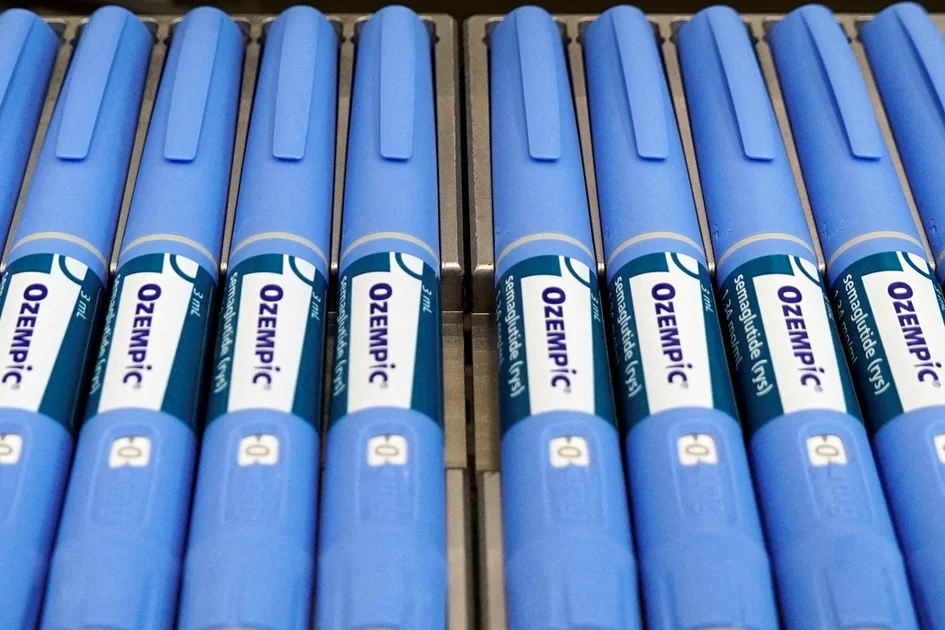
New Evidence Suggests Ozempic Slows Biological Aging
June 13, 2026 — The GLP-1 drug revolution, long defined by dramatic weight loss and blood sugar control, is entering a new chapter. A groundbreaking study published this week in Nature Communications provides the first randomized, placebo-controlled clinical evidence that semaglutide — the active ingredient in Ozempic and Wegovy — can slow the pace of biological aging. Researchers at the University of California, San Diego analyzed data from a trial of 108 adults with HIV, a population that typically experiences accelerated aging. Over 32 weeks, participants who received semaglutide injections showed a 9% slowing of biological aging as measured by the DunedinPACE epigenetic clock, alongside significant reductions in markers linked to inflammation, heart, kidney, and liver health.
This discovery shifts the conversation around GLP-1 drugs from mere metabolic intervention to potential longevity therapeutics. “By reducing inflammation and metabolic stress, the drug decreased chronic immune activation, a primary driver of accelerated aging,” noted study first author Michael Corley, Ph.D. The findings suggest that millions of users may be receiving benefits far beyond weight loss — though experts caution that more research is needed in broader populations.
Eli Lilly's Retatrutide Poised to Surpass Ozempic
While semaglutide makes headlines for anti-aging, a new competitor is threatening to dominate the weight loss market. Eli Lilly’s retatrutide, currently in Phase III trials, has produced results that could make Ozempic look modest by comparison. In obesity trials, patients on the highest dose lost an average of 28% of their body weight over 80 weeks — nearly 85 pounds when extended to 104 weeks. Unlike Ozempic, which targets only the GLP-1 hormone pathway, retatrutide activates three receptors: GLP-1, GIP, and glucagon. This triple-action mechanism appears to supercharge appetite suppression, fat metabolism, and energy expenditure.
“These hormones help regulate appetite, blood sugar, fat metabolism, and energy expenditure, which may allow retatrutide to produce greater weight loss than GLP-1s,” said Kevin Gendreau, an obesity medicine physician at Signature Healthcare in Massachusetts. Researchers are also exploring retatrutide’s potential in treating sleep apnea, liver disease, and osteoarthritis. If approved by the FDA, the drug could represent a generational leap in obesity treatment — though it is not expected to reach the market before late 2027.
The Rise of 'Ozempic Ears' and Other Cosmetic Fixes
As weight loss drugs become more common, so do their aesthetic side effects. Rapid shedding of pounds has led to an uptick in patients seeking surgical fixes for loose skin — not just on the face or buttocks, but on a previously overlooked feature: the ears. Multiple plastic surgeons have reported a surge in clients complaining of “Ozempic ears,” where earlobes lose volume, elongate, and sag, making earrings droop or not stay in place. “Following rapid weight loss, the ears tend to lose fullness and get longer at the lobes, basically speeding up the aging process,” explained Los Angeles plastic surgeon Dr. Luis Macias.
Procedures such as fat transfer to the earlobes, often combined with facelifts, have become more common. One patient, Leah, lost 80 pounds on a GLP-1 and received a facelift with fat added to her upper earlobes. Another client, Stephanie, paid $9,500 for a fat transfer and earlobe reduction after losing 54 pounds on Ozempic. While these trends highlight the cosmetic demands of the GLP-1 boom, they also underscore the broader reality: as drugs become more powerful, the body’s adjustment to rapid change creates new vulnerabilities — and new business opportunities for plastic surgeons.
Christians Debate: Medication or Moral Failure?
With more than one in eight American adults now taking GLP-1 drugs, the cultural conversation has turned spiritual. Some Christians view the medications as a gift of science, while others see them as a shortcut that bypasses the discipline of faith. “When you have a disease, you attack it with medication,” said Jenny Espino, a Southern California mother of four who lost more than 100 pounds on a GLP-1 after a back injury derailed her fitness. “I believe in supernatural healing, but Jesus created the hands that created this medication.”
But not everyone agrees. Christian fitness influencer Jaclyn Renee posted an Instagram video calling the drugs “the devil shortcut,” arguing that true transformation requires “healing your relationship with food and your body through the truth of God’s Word.” The tension reflects a deeper debate over free will, bodily stewardship, and the role of modern medicine in addressing what many consider a chronic disease. For Jenny, the pragmatism is simple: “I’ve always experienced my weight as a difficult-to-manage chronic disease. When you have a disease, you attack it with medication.”
Why This Matters: The GLP-1 Era Is Just Beginning
The cumulative weight of these developments — anti-aging potential, a more powerful successor drug, cosmetic side effects, and moral debates — signals that the GLP-1 phenomenon is far from plateauing. The class of drugs, which includes Ozempic, Wegovy, and Zepbound, has already reshaped the pharmaceutical industry, with Eli Lilly and Novo Nordisk leading a market projected to exceed $100 billion annually by 2030. But the implications go deeper. If retatrutide fulfills its promise, it could redefine obesity treatment as effectively as statins redefined cholesterol management. And if semaglutide truly slows biological aging, the boundaries between treating disease and enhancing longevity will blur further.
The market response has been swift. Investors are closely watching retatrutide’s progress, while insurers grapple with coverage for a drug that could cost thousands of dollars per year. The empty seats at recent World Cup matches — including the South Korea vs. Czech Republic game — have been blamed in part on fan fatigue from global events, but some economists note that population-level drug adoption could shift economic productivity as healthier workers emerge. Meanwhile, the USMNT’s crushing 4-1 victory over Paraguay in its World Cup opener has refocused attention on athletic performance — and on how these drugs might affect athletes, whether for weight management or recovery.
The Broader Implications: From Lab to Lifestyle
The next few years will determine whether GLP-1 drugs become as ubiquitous as aspirin — or whether the controversies around cost, access, and ethics curtail their reach. For now, the evidence is mounting that these molecules are catalysts for change. The retatrutide data, combined with the anti-aging study, has prompted calls for large-scale trials to understand the long-term effects of sustained receptor activation. Yet as with any powerful tool, unintended consequences persist: from floppy earlobes to the feeling among some Christians that the drugs erode spiritual discipline.
The cultural landscape is shifting. As drugs like Ozempic and retatrutide reshape bodies, they are also reshaping expectations. “What may be possible when we treat obesity comprehensively,” an Eli Lilly spokesperson said, “and what that could mean for people living with obesity and its related complications.” For those watching the story unfold, one thing is clear: the Ozempic era is only getting started.
Comments