
No Strong Evidence for Oxevision Safety Claims, Lampard Inquiry Hears
The Lampard Inquiry, which is investigating the deaths of more than 2,000 mental health patients in Essex over 24 years, heard this week that there is no robust independent evidence that a widely used patient monitoring system improves safety.
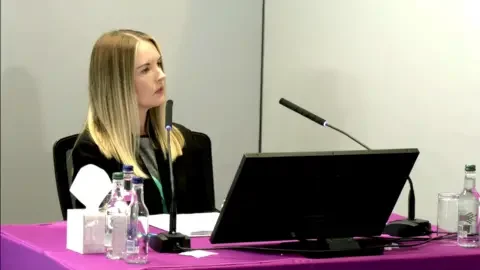
Two University of Oxford academics reviewed 45 studies used to justify introducing Oxevision across NHS mental health trusts. They concluded the research did not provide 'strong independent evidence of improved patient safety, acceptability or cost effectiveness,' according to testimony given Thursday.
Oxevision, developed by LIO Health (formerly Oxehealth), uses infrared sensors and cameras to track patients' pulse and breathing rates in their rooms. It is currently deployed in 40% of NHS mental health trusts. The technology has been the subject of 'grave concerns' during the inquiry, with campaigners arguing it is an intrusive surveillance tool rolled out without proper evidence.
Inquiry Hears of Apathy, Staffing Failures, and Autism Oversights
The evidence on Oxevision came amid broader revelations about systemic failures at Essex Partnership University NHS Foundation Trust (EPUT), which ran the services under scrutiny.
Culture of Disengagement
Former nurse Stuart Ayris described staff apathy as 'astonishing,' saying ward staff often remained in offices with closed doors because 'it felt safer for them.' He later said he became 'ashamed' of the lack of engagement with patients. Ward manager Chloe Cawston said staff sleeping on duty had been 'a feature throughout her whole career.'
Undercover Dispatches reporter Dawn Lowe, who worked as a bank healthcare assistant, said she witnessed agency staff on mobile phones, some who could 'barely communicate in English,' and others who failed to raise alarms during emergencies. She noted she was hired without an interview, requiring only a Covid vaccine and DBS check.
Autism and Physical Health Ignored
The inquiry heard emotional testimony from mothers of two autistic young women at the St Aubyn Centre in Colchester. Lisa Wolff said her daughter Abbigail Smith's autism was 'ignored' by staff who denied her diagnosis. Victoria Sebastian said doctors dismissed her daughter Elise's physical health problems as being 'in her head' and failed to investigate them. Elise Sebastian was found unresponsive in her room in 2021.
Oxevision Campaigners Call for Stricter Regulation
Following the Oxford testimony, campaign group Stop Oxevision spokesperson Hat Porter said the findings raised concerns 'not only regarding this particular technology, but more broadly as well.' They warned: 'A lack of regulation means that a technology without any kind of robust independent evidence base can just be rolled out widely.'
Law firm Hodge Jones & Allen, representing more than 120 bereaved families, said the evidence showed 'no clear or meaningful evidence that Oxevision improves patient safety or patient care.'
Leicestershire Trust Abandons Oxevision
In a separate development, Leicestershire Partnership Trust (LPT) told the inquiry it had decided not to adopt Oxevision after piloting it twice. The trust found only 42% of patients consented to its use during an opt-in pilot. One pregnant patient even slept in an interview room rather than stay in a bedroom with the system, even when it was switched off.
LIO Health, which runs Oxevision, defended the technology in a statement, saying: 'Technology has a vital role to play in supporting safer inpatient mental health care, an area without any medical device technology until Oxevision.' It claimed the system helped staff respond to 1,453 safety incidents at one trust over four years.
Broader Implications for NHS Technology Regulation
The Lampard Inquiry's findings on Oxevision raise significant questions about how health technologies are adopted in the NHS. The Oxford experts said 'further independent, randomised, and adequately controlled research' would be needed before stronger conclusions could be drawn.
Fiona Scolding KC, speaking for Oxevision, questioned whether randomised controlled trials were feasible in mental health units. One Oxford expert acknowledged such studies would be challenging.
The inquiry, originally due to finish this year, has been extended by at least 12 months due to the scale of issues uncovered. Chair Baroness Lampard said similar failures are being identified in other parts of the country. The Information Commissioner's Office has confirmed it is investigating Oxehealth over the system, but said it could not comment further due to the live investigation.
As the inquiry resumes in October, families and campaigners are demanding tighter regulation of surveillance technologies in healthcare. The case also echoes broader challenges in public service accountability, much like the operational scrutiny seen in Frontier Airlines Faces $17.6M Taxi Time Crisis as Fuel Costs Spike.
Comments