
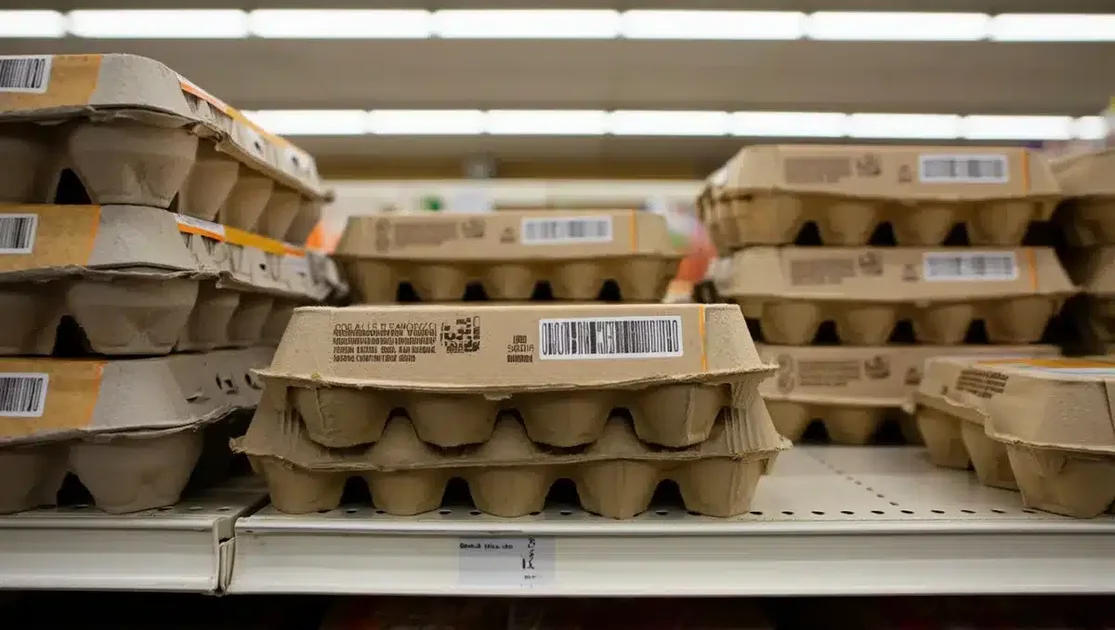
Massive Egg Recall Sparks Urgent Health Warning as Salmonella Cases Rise
Nearly 19 million eggs have been voluntarily recalled after a salmonella outbreak linked to Midwest Poultry Services L.P. sickened 98 people across 17 states, federal health officials confirmed Friday. The recall, announced by the Food and Drug Administration (FDA) on July 22, 2026, covers 1,589,577 dozen eggs produced at two Texas farms and distributed to major grocery chains, including Kroger and Brookshire’s.
According to the FDA, illnesses began as early as November 21, 2025, and continued through June 30, 2026. While no deaths have been reported in connection with the outbreak, 26 people have been hospitalized. Laboratory, epidemiological, and traceback data identified the shell eggs as a likely source, with some farm samples genetically matching the outbreak strain. The company stated it discovered the contamination through “proactive environmental monitoring practices and root cause analysis” and has halted distribution from the affected facilities.
Which Eggs Are Recalled?
The recalled eggs include white shell and cage-free brown shell eggs sold under brand names Kroger, Simple Truth, Brookshire’s, Country Morning, and Sunups. They were produced and distributed between June 6 and July 3, 2026. Consumers should check cartons for the plant codes P-1950 or 0840962, best-by dates between July 20 and August 17, 2026, and Julian dates between 157 and 184. Products were shipped to Kroger stores in Texas and Louisiana, as well as Brookshire Grocery stores across Texas, Oklahoma, Arkansas, Louisiana, New Mexico, and Mississippi. The FDA urges anyone with recalled eggs to discard them immediately or return them for a refund.
A Tragic Reminder of Salmonella’s Danger: Virginia Mother Dies After Church Trip
Beyond the current outbreak, a heartbreaking case highlights the severe risks salmonella can pose to vulnerable individuals. Ayla Garcia, a 42-year-old Virginia mother of four, died on July 24 after contracting a salmonella infection during a church mission trip to Kenya. Garcia, who had sickle cell disease, was hospitalized for nearly two weeks as the infection spread to her kidneys, liver, and blood. Family members reported she underwent multiple blood transfusions and dialysis, but ultimately succumbed. Her family is now raising funds to bring her body home.
While Garcia’s infection was contracted abroad, the case underscores the stakes of foodborne illness, especially for those with weakened immune systems. The CDC notes that young children, the elderly, and people with chronic conditions are most at risk of severe outcomes from salmonella, which can cause diarrhea, fever, vomiting, dehydration, and stomach cramps. Most healthy individuals recover within a week, but complications can be life-threatening.
Broader Implications: Food Safety Recalls and Consumer Vigilance
This egg recall is part of a wider pattern of food safety incidents in 2026. Previously, a cyclosporiasis outbreak linked to vegetables sickened over 2,000 people across nine states, and a lettuce recall tied to a diarrhea parasite affected 27 states. These recurring events raise questions about supply chain oversight and the effectiveness of monitoring systems.
“Proactive environmental monitoring is critical to catching contamination early, but it cannot replace robust consumer vigilance,” said food safety advocates. Shoppers are advised to always check recall alerts, examine packaging details like Julian dates and plant codes, and stay informed through official FDA and CDC channels. As the agency investigates whether other sources contributed to this outbreak, the incident serves as a reminder that foodborne pathogens remain a persistent threat, even as industry practices improve.
For now, anyone who purchased eggs from the affected brands should check their refrigerators. The full product list includes a range of sizes—medium, large, extra-large, and jumbo—in both white and brown varieties. Further updates are expected as the investigation continues.
Comments