
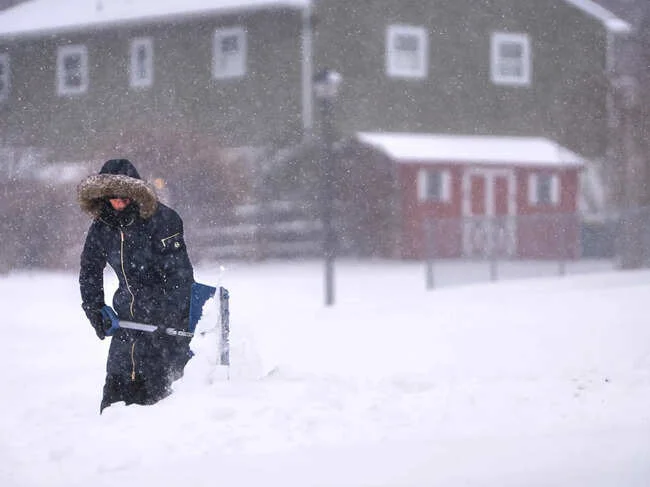
September 2026 Weather Outlook: A Tale of Two Seasons
As September begins, the Old Farmer's Almanac has released its highly anticipated long-range weather forecast for the month, and the picture it paints is one of stark regional contrasts. For much of the eastern United States, autumn's chill is expected to arrive early, with below-average temperatures and above-normal precipitation. Meanwhile, a broad swath of the nation's interior is bracing for a continuation of summer-like warmth that could linger well into the month.
According to the Almanac's predictions, the Northeast will see a notably cool and wet September. Temperatures are forecast to average 59°F, which is two degrees below the historical norm, while precipitation is expected to reach 5.5 inches—about two inches above average. The month is expected to begin with showery conditions through September 7, followed by a sunny but still cool period, before more rain returns mid-month. The Atlantic Corridor, stretching along the major East Coast cities, is also predicted to be slightly cooler than normal, with an average temperature of 68°F and precipitation about one inch below average.
"The publication says its long-range forecasts combine solar science, climatology and meteorology," the Almanac explains. "Its method compares solar patterns and historical weather conditions with current solar activity, while also considering climate data and large-scale signals such as El Niño and La Niña."
Why the September Forecast Matters
This early look at September's weather is more than just a curiosity for meteorology enthusiasts. For millions of Americans, the forecast carries practical implications for agriculture, energy consumption, and fall travel plans. Farmers in the Northeast, for instance, may need to prepare for a wetter-than-usual harvest season, while those in the interior could see an extended growing window thanks to warmer conditions.
Energy markets are also watching closely. A cooler start to fall in the densely populated eastern corridor could drive earlier-than-usual demand for heating, while warmer conditions in the heartland might keep cooling costs elevated for longer. The forecast also sets the stage for leaf-peeping season, with the Almanac suggesting that cooler temperatures could make for especially vibrant fall foliage in parts of the East.
This September forecast arrives on the heels of the Almanac's broader fall 2026 outlook, which predicts a season that is cooler than average across much of the eastern U.S. and along the Pacific Coast. However, for much of the nation's interior, summer-like warmth could extend well into October. The Almanac's winter 2026–2027 forecast, released just this week, further signals a milder winter for most of the country, with colder stretches expected from central New England through the Appalachians and Ohio Valley.
A Regional Breakdown: What to Expect
Northeast and Atlantic Corridor
The Northeast is expected to experience its coolest and wettest conditions during the first week of September, with showers giving way to sunny but brisk days. A rainy period is forecast from September 12 to 19, followed by additional showers and cool weather for the remainder of the month. The Atlantic Corridor, meanwhile, will see scattered thunderstorms early in the month, with warm conditions giving way to cooler weather by mid-September.
Appalachians and the Interior
The Appalachian region is forecast to start the month sunny and warm before scattered showers bring cooler conditions from September 7 to 12. By contrast, the broader interior of the country—stretching from the Northern Plains through the Heartland and into the Deep South—is expected to remain warmer than average during September and October. The Almanac warns that much of this region could see a delayed transition to fall weather.
Precipitation Patterns
When it comes to rainfall, much of the country is expected to be drier than average this September. The exceptions include the West Coast, the central and northern Rockies, parts of Texas, southern Florida, and portions of the Northeast, where wetter conditions are anticipated. These precipitation patterns are critical for wildfire risk in the West, water management in the Rockies, and hurricane-related flooding in the Southeast.
The Broader Fall 2026 Picture
Looking beyond September, the Almanac's fall 2026 forecast describes what could be a tale of two autumns. The eastern United States and much of the West Coast are expected to experience cooler-than-normal temperatures, bringing that classic fall feel. In contrast, a broad interior swath is likely to see warmer-than-average conditions, potentially delaying peak foliage and outdoor activities like football tailgates and pumpkin harvests.
"According to the forecast, much of the country will experience one of two very different versions of autumn," reports the Hindustan Times. "A broad swath stretching from the Northern Plains through the Heartland and into the Deep South is expected to be warmer than average during September and October."
This divergence is part of a broader trend influenced by large-scale climate signals. The Almanac's methodology factors in solar patterns and historical weather data, along with signals such as El Niño and La Niña. For those planning ahead, this September's regional predictions offer an early glimpse of what may be a memorable fall season. Whether you're eagerly awaiting sweater weather or hoping to squeeze out a few more weeks of summer, the Almanac's forecast suggests that where you live will make all the difference.
As always, it's worth remembering that long-range forecasts are broad generalizations rather than exact day-to-day predictions. While the Almanac claims an 80% accuracy rate for its seasonal outlooks, meteorologists generally caution that conditions can change significantly weeks or months in advance. Still, for weather watchers and seasonal planners alike, the September outlook provides a useful starting point for what lies ahead.
For those tracking other seasonal milestones, the shift toward cooler weather comes just as the MLB Playoff Picture 2026 heats up with wild-card races tightening. And for long-term planning, our Winter 2026/2027 Forecast explores how El Niño patterns may drive an even more dramatic weather divide in the months ahead.
Comments