
All Clear Issued After Active Threat Report at Miami University
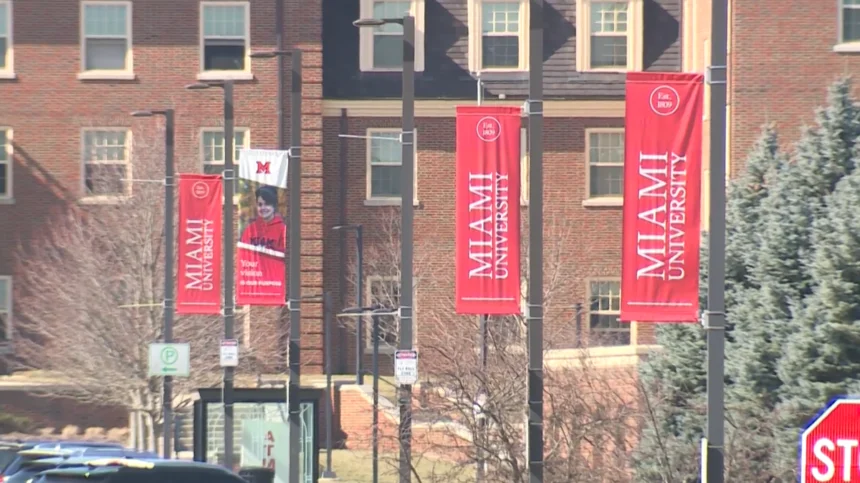
Miami University in Oxford, Ohio, lifted an emergency alert and declared campus safe Thursday afternoon after reports of gunfire triggered a large police response and a campus-wide lockdown. The Butler County Sheriff's Office and Miami University Police Department determined there was no evidence of gunfire, and witnesses said the noises were more consistent with fireworks.
The incident began around 2 p.m. when a call came in about possible gunfire in or near McGuffey Hall. A student inside a classroom also reported hearing shots, prompting the university to send a RedHawk Alert warning of an active threat and urging people to run, hide, or fight. Within a minute, university officers responded to the scene, joined by Oxford Police Department and Butler County Sheriff's Office deputies.
Timeline of the Emergency Response
The first RedHawk Alert went out just after 2 p.m., stating an active threat had been reported on the Oxford campus. A follow-up alert at 2:11 p.m. specified that the threat was in the area of McGuffey Hall and told people to avoid the area. At 2:23 p.m., another alert noted reports of gunfire in the same area, but added that officers had checked the building and surrounding areas and found no issue. By 2:37 p.m., the university issued an all-clear message: "No active threat on campus. Safe to resume your daily activities."
Officers spoke with multiple witnesses who described the noise as more consistent with fireworks than gunfire. A search of McGuffey Hall and the surrounding area found no evidence of shots fired and no injured parties. The Butler County Sheriff's Office later confirmed that fireworks were the initial cause of the threat.
No Evidence of Gunfire, Officials Say
In a statement, Miami University said the Butler County Sheriff's Office received a call about possible gunfire in or near McGuffey Hall around 2 p.m. The university's police department also received reports from a student in a classroom. Within a minute, university officers were on scene, along with local law enforcement partners.
"While investigating the call, OPD officers spoke to multiple witnesses who indicated the noise was more consistent with firework," the university said. "There was no evidence of gunfire nor were any injured parties found in the area." Officers searched the building and surrounding area, identified no threat, and cleared the scene, issuing an all-clear around 2:40 p.m.
The all-clear was sent through the university's emergency alert system, which sends text messages, emails, and social media posts to students, faculty, and staff. The university also posted the all-clear on its official social media accounts.
Campus Returns to Normal
By mid-afternoon, campus operations had resumed. The university urged people to stay vigilant but confirmed there was no ongoing threat. No injuries were reported, and no arrests have been announced. The incident remains under investigation, but authorities have not suggested any criminal intent.
Context: A Familiar False Alarm
The scare at Miami University is the latest in a series of false alarms that have rattled college campuses across the country in recent years. In many cases, reports of gunfire turn out to be fireworks, car backfires, or other loud noises. But the response is often massive, as universities prioritize safety and follow active-shooter protocols developed over decades.
Miami University, located about 40 miles northwest of Cincinnati, has roughly 20,000 students. The campus is no stranger to emergency alerts, but actual shootings are rare. The university's RedHawk Alert system is designed to quickly disseminate information during crises, and it has been used for weather emergencies, gas leaks, and other threats.
The incident comes amid heightened awareness of campus safety. Just days earlier, a school shooting in Oregon left three children and one adult dead, according to news reports. That tragedy has renewed debates about gun control and school security. While the Miami University incident ended without violence, it underscores the anxiety that grips campuses when a threat is reported.
The Challenge of Distinguishing Fireworks from Gunfire
Fireworks and gunfire can sound similar, especially in urban or campus environments where echoes and buildings distort sound. Police rely on witness descriptions, physical evidence, and sometimes ballistics to differentiate. In this case, multiple witnesses helped officers quickly determine the noise was likely fireworks. However, the initial report from a student in a classroom added urgency and credibility to the threat.
The university's swift response—issuing alerts, locking down areas, and searching buildings—reflects standard active-shooter training. "Run, hide, fight" is the recommended protocol from the FBI and Department of Homeland Security. It advises people to evacuate if possible, hide if evacuation is not safe, and fight as a last resort. Miami University's alert included that language, which is designed to empower individuals to make quick decisions.
Perspective: Balancing Safety and False Alarms
False alarms like the one at Miami University raise important questions about emergency preparedness and the toll of repeated threats. On one hand, a rapid, aggressive response can save lives in a real shooting. On the other, frequent false alarms can lead to alert fatigue, where students and staff become desensitized to warnings.
Experts say the key is to communicate clearly and quickly, and to follow up with accurate information. Miami University did that, issuing an all-clear within about 30 minutes and explaining the likely cause. That transparency helps maintain trust in the alert system.
The Broader Trend of Campus Threats
In recent years, colleges and universities have invested heavily in emergency notification systems, mental health resources, and threat assessment teams. The goal is to prevent attacks before they happen and to respond effectively if they do. But no system is perfect, and false alarms are inevitable.
The Miami University incident also highlights the role of social media in spreading information—and misinformation. During the lockdown, students and parents turned to Twitter and Facebook for updates. The university's official accounts provided timely information, but rumors still circulated. This is a common challenge in crisis communication.
As campuses continue to grapple with security, the balance between vigilance and normalcy remains delicate. For now, Miami University is back to normal, but the event serves as a reminder of the importance of preparedness and the emotional impact of even a false alarm.
What This Means for Campus Safety
The all-clear at Miami University is a relief, but it also raises questions about how to reduce false alarms. Better communication between students and police, improved technology to detect gunshots, and public education about the difference between fireworks and gunfire could help. Some universities have installed acoustic sensors that can identify gunshots, but these systems are expensive and not foolproof.
Ultimately, the incident shows that the system worked: a threat was reported, alerts went out, police responded, and the scene was cleared. No one was hurt. But it also shows how quickly a routine afternoon can turn into a tense emergency. For students, faculty, and staff, the memory of the lockdown will linger, a reminder of the unpredictable nature of campus life in an era of active-shooter drills.
As the investigation continues, Miami University officials say they will review the response and look for ways to improve. For now, the campus community is grateful for a peaceful outcome.
Comments