
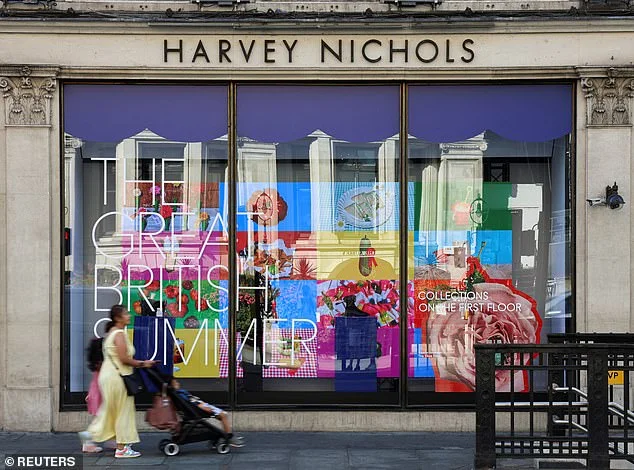
Mike Ashley's Luxury Ambitions Hit a Roadblock as Harvey Nichols Dublin Shuts
Just weeks after Mike Ashley's Frasers Group acquired the struggling Harvey Nichols chain out of administration, the luxury retailer's Dublin store is preparing to close its doors for good. Staff at the Dundrum Town Centre outlet were informed on Wednesday that the store will cease trading on September 13, after talks to secure its future failed.
The closure marks an early setback for Ashley's aggressive push into high-end retail, a strategy that has seen him snap up stakes in Hugo Boss, Mulberry, and Burberry, and take full control of Flannels and House of Fraser. While the billionaire founder of Sports Direct has built a reputation for rescuing distressed assets, the Dublin store's collapse underscores the challenges facing the luxury sector—and the delicate art of turning bargains into profitable businesses.
Frasers' Deal Fails to Save Dundrum Store
The appointment of Grant Thornton as provisional liquidators for Harvey Nichols Dundrum on August 13 set the stage for the closure, with the Irish entity unable to meet its debts and lacking financial support from its UK parent. The store had been loss-making for years, with net liabilities swelling from €19.4 million in 2021 to €28.2 million. An annual rent bill of nearly €1.1 million proved unsustainable.
Grant Thornton's statement confirmed that efforts to negotiate a new agreement with Dundrum Town Centre had failed. "The store is expected to cease trading on or around September 13th, 2026," the firm said, adding that representatives would be on site to support the 33 affected employees. The liquidators' focus is on an orderly wind-down and securing the store's assets.
The closure is a stark reminder that even deep-pocketed buyers like Ashley cannot always rescue every distressed asset. While Frasers Group acquired the Harvey Nichols brand and its UK operations, the Irish arm was a separate entity that had been financially cut loose by the previous owners.
A Luxury Buying Spree in Tough Times
Ashley's acquisition spree has been anything but subtle. The purchase of Harvey Nichols—a storied Knightsbridge department store with 13 locations and 1,200 staff—was followed by an increase in his stake in Hugo Boss to 48%, just shy of full control, despite board opposition. These moves follow earlier investments in luxury labels like Mulberry and Burberry, as well as the ownership of upscale fashion chain Flannels, which has expanded to nearly 75 stores selling brands from Gucci to Maison Margiela.
The timing is curious. The luxury retail sector has been battered by the cost-of-living crisis, dampening demand from aspirational consumers, while travel from Asian and Middle Eastern shoppers to Europe remains below pre-pandemic levels. Yet Ashley has historically thrived in downturns, picking up bargains and finding value where others see risk. His strategy with acquisitions like Harvey Nichols mirrors his playbook at Sports Direct: buy struggling names cheaply, leverage their brand equity, and use them to bolster his wider portfolio.
However, the Dublin closure reveals the limits of that approach. Harvey Nichols' UK stores have been kept alive, but the Dublin outpost was a loss-making liability that no buyer could rescue. The store's insolvency predated Ashley's acquisition, but the new owner's decision not to inject cash into the Irish arm was a clear signal that not every asset fits the grand luxury vision.
The Broader Stakes: Can Discount King Conquer Luxury?
Ashley's foray into luxury has raised eyebrows across the retail industry. His reputation as the king of discount trainers and his 'penchant for bling' might seem at odds with the high-end world of Harvey Nichols and Hugo Boss. But Ashley sees an opportunity: by acquiring department stores and brand stakes, he gains access to exclusive labels that might otherwise shun his mass-market image. The Harvey Nichols acquisition, in particular, could serve as a gateway to persuade designer brands to sell through Frasers' growing luxury network.
Yet the sector's headwinds are formidable. Analysts note that even established luxury players are struggling, and Ashley's bargain-hunting may take longer to pay off than investors hope. The Dublin closure is a cautionary tale: in luxury retail, location and operational efficiency matter as much as brand prestige. The Dundrum store's high rent and declining footfall made it untenable, regardless of the owner's ambitions.
For Ashley, the road ahead is about proving that his luxury bets can deliver sustainable growth. He has hinted at converting some UK Harvey Nichols stores outside London to other Frasers formats, a pragmatic move to cut costs and boost efficiency. But the Dublin experience suggests that transformation will not come without pain. As he pushes deeper into high-end retail, the question remains whether his knack for rescuing failing brands can translate into a lasting luxury empire—or whether the Dublin closure is just the first of many adjustments.
The news also comes amid broader retail turbulence, with many chains reevaluating their physical footprints due to changing consumer habits and economic pressures. While Ashley continues to double down on his investments, the closure of Harvey Nichols Dundrum serves as a reminder that even well-funded acquisitions must adapt to local market realities. The luxury sector may be Ashley's newest playground, but the rules of retail survival remain unforgiving.
Comments