
Manchester trains cancelled: Power cut chaos subsides, but questions remain
Train services across Greater Manchester and the North West are largely back to normal this morning after a 90-second power cut on Thursday triggered widespread cancellations and delays that stranded thousands of passengers. Network Rail said signalling systems were fully restored late Thursday evening, but warned that residual disruption could linger as trains and crews are repositioned.
The incident, which occurred at approximately 13:40 BST on Thursday, knocked out power to Network Rail's Manchester Rail Operating Centre (ROC) – the hub that controls signalling for a vast area from Crewe to Carlisle and from the Welsh border to Todmorden. The back-up power supply failed to kick in as quickly as expected, causing signalling systems to shut down and forcing trains across the region to halt.
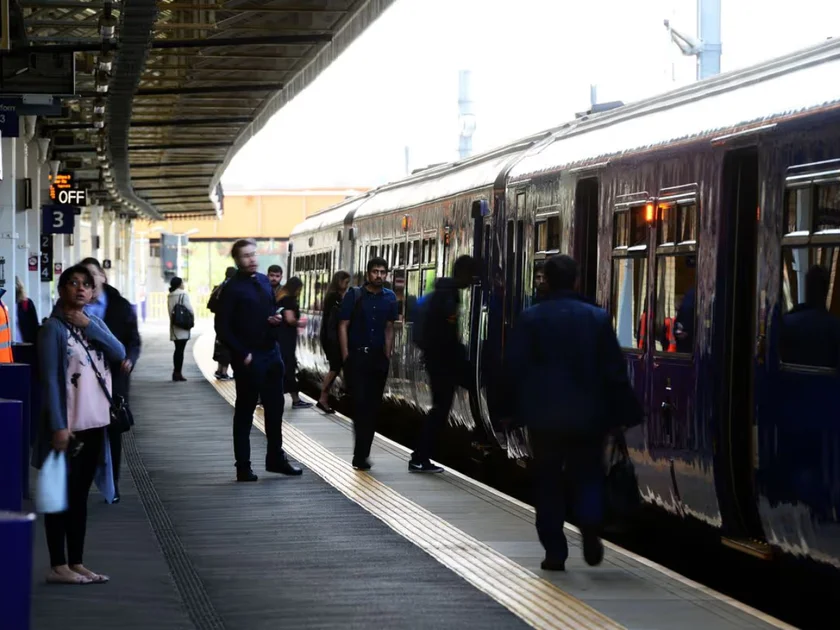
At Manchester Piccadilly, scenes of chaos unfolded as passengers faced cancellations, diversions, and packed trains. Luke and Shannon Harrison, trying to reach Alderley Edge, told the BBC they found themselves crammed "like sardines" onto a train to Stockport with no air-conditioning. "It was only 10 minutes, but I have never seen anything like it," Luke said.
Network Rail has promised a "really thorough investigation" into why the 90-second outage caused such severe knock-on effects. Route Director Chris Wright said the organisation was "continuing to work closely with train operators to return services to normal as quickly as possible," adding, "We must do better."
As of Friday morning, reports from Preston, Birmingham, and Liverpool Lime Street indicated most trains were running on time. However, passengers are still advised to check their journey before travelling, as some TransPennine Express services remain subject to short-notice alterations.
Power cut exposes fragility in rail control infrastructure
The power failure at the Manchester ROC – a purpose-built facility opened in July 2014 – has raised serious questions about the resilience of critical rail infrastructure. The centre was designed to be robust, with uninterruptible power supplies (UPS) and backup generators intended to provide seamless continuity in the event of a mains failure. Yet in this case, the transition did not happen smoothly.
Deputy editor of the International Railway Journal, Mark Simmons, described the disruption as unusual for a "relatively small event." Speaking to the BBC, he explained that operating centres are built to be resilient, and the question now is why the UPS systems did not engage as designed.
Electricity North West, the regional distribution network operator, said there had been "an unexpected incident" on its high voltage cable in Harpurhey, Manchester, which affected about 5,000 customers, including the rail operating centre. The company is investigating the cause of the cable fault.
The financial and reputational cost of Thursday's disruption is significant. Tens of thousands of commuters faced delays or were forced to abandon travel plans altogether. Businesses reported staff arriving hours late or not at all. The disruption also spread beyond the North West, affecting services into Birmingham New Street and London Euston, as trains were held or terminated to prevent further congestion.
Passenger groups have called for compensation to be made automatic for those affected. Under current rules, passengers can claim for delays, but many are unaware of their rights. Network Rail and train operators have yet to confirm how they will handle compensation claims, though a spokesperson said details would be published in the coming days.
A second day of misery: Tragic incident on the tracks
While the network was recovering from the power cut, a separate incident on Monday, August 10, brought fresh disruption to the same region. A person died after being struck by a train at Broad Green station, between Liverpool and Manchester. British Transport Police said officers were called at around 9:30 am, and the person was pronounced dead at the scene. The incident is not being treated as suspicious, and a file will be prepared for the coroner.
The line between Wigan North Western and Liverpool Lime Street was blocked for several hours, with Northern services cancelled, delayed, or revised. TransPennine Express services between Manchester Victoria and Liverpool Lime Street were also unable to run, with rail replacement buses provided. The line reopened by late morning, but residual delays continued until at least 12:30 pm.
This tragedy, coming on the heels of the power cut chaos, has intensified scrutiny on the region's rail network, which has suffered repeated disruptions in recent months. For many passengers, the back-to-back incidents underscore a worrying trend of fragility in what should be a critical public service.
Investigation and political pressure mount
Mayor of Greater Manchester, Bev Craig, has demanded urgent answers. In a statement, she said she would be formally asking Network Rail and train operating companies to investigate both the cause of the power cut and their response to it. "We need assurances that this cannot and will not happen again," she said.
Network Rail has confirmed it has launched a thorough internal investigation and will also cooperate with the Office of Rail and Road (ORR) if regulators choose to open their own inquiry. The company has said it will publish its findings and any remedial actions taken.
The incident has also raised broader concerns about the age and reliability of the UK's rail signalling infrastructure, much of which relies on centralized control centres. Experts say the sector has underinvested in backup systems and training, with data showing railway asset failures have been trending upward in recent years.
For passengers like Callum Kirk and Ben Esson, who were hoping to get to London for a gig, the experience was stressful and all too familiar. "I've done nothing but check. I was up at five just to double-check," Callum told the BBC. Their story is a microcosm of the thousands disrupted by an event that lasted less than two minutes.
Restored services but lingering questions
As trains run again, the focus shifts from immediate disruption to longer-term accountability. The rail industry faces a trust deficit after years of strikes, cancellations, and infrastructure failures. The power cut – described by Network Rail as unusual – has become a yardstick for how much disruption a single point of failure can cause.
Simmons, the rail expert, stressed that such incidents are rare, but that the industry must learn from them. "Operating centres are built to be resilient," he said. "Why that didn't happen in this case is the critical question."
Network Rail has promised a transparent review, and passengers will hope it leads to tangible improvements. In the meantime, those affected are advised to check their journeys and claim compensation where eligible. The company has set up a dedicated webpage for claims and says it will honor all valid requests.
The wider implications for the UK's rail network are sobering. With increasing reliance on complex, centralized systems, the margin for error is small. The Manchester incident, though brief, exposed how vulnerable the network remains to a sudden loss of power – and how much work lies ahead to ensure the system can absorb shocks without turning commuters' lives upside down.
As the sun rose over Manchester Piccadilly on Friday, the crowds had eased. Trains were on time, platforms were orderly, and the station was returning to its usual rhythm. But the memory of Thursday's chaos, and the tragedy on the tracks on Monday, will linger. The rail industry may be moving on, but passengers are watching closely to see whether promises of improvement turn into meaningful action.
For now, the advice from Network Rail is simple: check before you travel, allow extra time, and if you were affected, seek compensation. The investigation is just beginning, and its findings will determine whether this week's events are a one-off failure or a symptom of a deeper malaise.
Comments