
Masked Thieves Strip Lalique Museum of $4.5 Million in Crystal Jewelry in Pre-Dawn Heist
Burglars stole approximately 20 pieces of jewelry worth an estimated €4 million (over $4.5 million) from the Lalique Museum in Wingen-sur-Moder, France, early Sunday morning in a well-planned raid that exploited a critical delay by a private security firm. The heist, which occurred around 5:30 a.m. local time, is the latest in a string of high-profile museum thefts across France, reigniting concerns about the security of the nation's cultural treasures.
According to a source close to the investigation cited by AFP, a gang of masked thieves forced open a door to the museum, located about 37 miles northwest of Strasbourg near the company's factory. Once inside, they headed directly to the jewelry room, smashing six display cases and making off with the collection. The stolen pieces are predominantly crystal, not precious gems, meaning they cannot be melted down—a detail that suggests the thieves may have targeted specific collectors or a black market for intact Lalique works.
‘A Major Failure on Their Part’: Security Gaps Exposed
The heist has drawn sharp criticism from local officials, particularly regarding the response of the museum's private security company. Wingen-sur-Moder Mayor Christian Dorschner told local newspaper Les Dernières Nouvelles d'Alsace that while the alarm system functioned correctly, the security firm failed to act promptly. “All the alarms went off, just as they should. And then with the security company, apparently, there was a major failure on their part: they didn’t intervene right away, they didn’t inform the gendarmes,” Dorschner said. He added that the thieves “were surely well informed to carry out this job in that way; they must be specialists.”
Investigators revealed that a cleaning lady was the first person to arrive on the scene after the alarm and subsequently called the police. The delay allowed the thieves to escape before law enforcement could respond. Police are now examining CCTV footage in hopes of identifying the perpetrators, though no arrests have been made as of Monday.
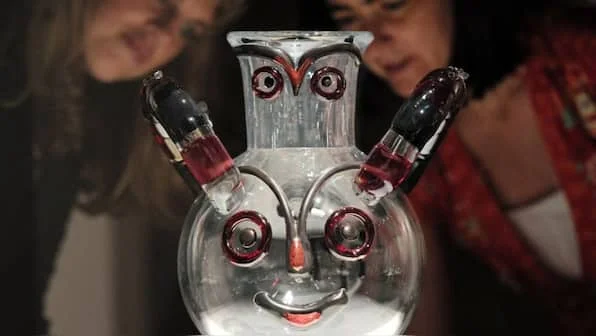
The museum, which opened in 2011 near the Lalique factory, houses over 650 exceptional works spanning the career of René Lalique, including Art Nouveau jewelry, Art Deco glass, and contemporary crystal. Among its most famous pieces are the “L’Air du Temps” Nina Ricci perfume bottle and medals from the 1992 Albertville Winter Olympics. The museum’s website currently displays a notice stating it will be closed for several days “following a burglary,” with no reopening date specified.
Context: France’s Troubled Track Record with Museum Security
The Lalique heist is not an isolated incident. It comes less than a year after a stunning daylight robbery at the Louvre in Paris in October 2025, where thieves used a boom lift to steal $102 million worth of jewelry, including items from the French Crown Jewels. That heist, which lasted under eight minutes, exposed significant vulnerabilities: a subsequent security audit found that 35% of rooms in the Denon Wing lacked camera coverage. While suspects were arrested and charged in the Louvre case, only one crown has been recovered.
France has seen a broader wave of museum thefts. In September 2025, thieves stole three porcelain works worth millions from the Adrien Dubouché National Museum in Limoges. In October, nearly 2,000 gold and silver coins vanished from the Denis Diderot House of Enlightenment in Landres—a crime that occurred on the very same day as the Louvre heist. These incidents suggest organized criminal networks may be targeting French museums, exploiting both physical and procedural security holes.
The Lalique Museum, despite being a smaller institution in a village of just 1,530 people, was deemed a “sensitive site” in the wake of the Louvre theft. According to CBS News, it had received special attention in security audits, yet the successful raid indicates that improvements may not have been fully implemented. The mayor’s comments about the security company’s delay underscore a recurring theme: even the best alarm systems are useless if the response protocol fails.
The Unique Challenge of Crystal: No Melt Value, High Collectible Worth
A key element of this case is the nature of the stolen goods. Unlike gold or gemstone jewelry, crystal pieces cannot be easily melted down and sold for raw materials. This suggests the thieves likely have a specific buyer or plan to sell the items intact on the black market to collectors. René Lalique’s works, known for their intricate Art Nouveau and Art Deco designs, are highly sought after, with some pieces fetching hundreds of thousands of dollars at legitimate auctions.
Investigators are analyzing the possibility that the heist was commissioned by an unscrupulous collector. The precise items stolen have not yet been disclosed, but the loss of 20 unique pieces from a museum of Lalique’s stature is a blow to art heritage. As Town & Country noted, the museum’s collection includes creations “that follow the career of René Lalique and his successors,” making each piece irreplaceable.
Broader Implications: What the Lalique Theft Signals for Museum Security
The Lalique Museum robbery is a wake-up call for cultural institutions worldwide, especially as the frequency of such crimes appears to be accelerating. The convergence of professional criminal tactics—masked thieves, forced entry, targeted smash-and-grab—and security lapses by contracted firms raises systemic questions.
The Human Factor in Security Chains
Mayor Dorschner’s frustration highlights a critical vulnerability: the reliance on private security companies. In the Lalique case, the alarm went off, but the company’s slow verification process allowed the thieves to vanish. This mirrors a broader trend where museums outsource security to third-party firms, potentially leading to inconsistent training, response times, and communication with local police. The cleaning lady’s role as the de facto first responder is a damning indictment of the system.
For larger museums like the Louvre, the challenge is scale and complexity; for smaller museums, it is often resource constraints. However, the Lalique theft shows that even a well-funded museum (part of a luxury brand) can fall prey to a simple procedural breakdown. Experts argue that museums must integrate alarm systems directly with police dispatch, bypassing third-party delay, and ensure that security personnel are on-site 24/7 rather than relying on remote monitoring.
A Pattern of Organized Crime in French Museums
The spate of thefts—from the Louvre to Lalique—suggests a coordinated wave of theft by organized crime groups. The methods vary: boom lifts, forced doors, disguised workers. But the common thread is speed and pre-planning. The Lalique thieves, for instance, knew exactly which room to target and how to bypass initial alarm responses. As France’s cultural institutions grapple with these threats, there is growing pressure on the Ministry of Culture to mandate stricter security standards and increase funding for protective measures.
This story also resonates beyond France. High-profile museum heists have occurred globally, from the Green Vault in Dresden to the Gardner Museum in Boston. The Lalique theft reinforces a grim reality: no museum, regardless of size or location, is immune.
What’s Next for the Investigation and Recovery
Police are combing through CCTV footage and forensic evidence from the smashed display cases. Given that the stolen crystal cannot be melted down, authorities hope to track the pieces through the art black market and online auction platforms. Interpol has been alerted, and French police are liaising with international agencies, as the items could be trafficked across borders.
For now, the Lalique Museum remains closed, its doors locked and a message of regret posted online. The loss of 20 pieces is not just a financial blow but a cultural one, stripping the public of access to part of René Lalique’s legacy. As the investigation continues, the focus will inevitably shift to holding the security firm accountable and implementing reforms to prevent a repeat.
In a world where even a quiet Alsatian village museum can be targeted, the Lalique heist serves as a stark reminder that the preservation of art requires constant vigilance—and the right people to respond when alarms go off.
Comments