
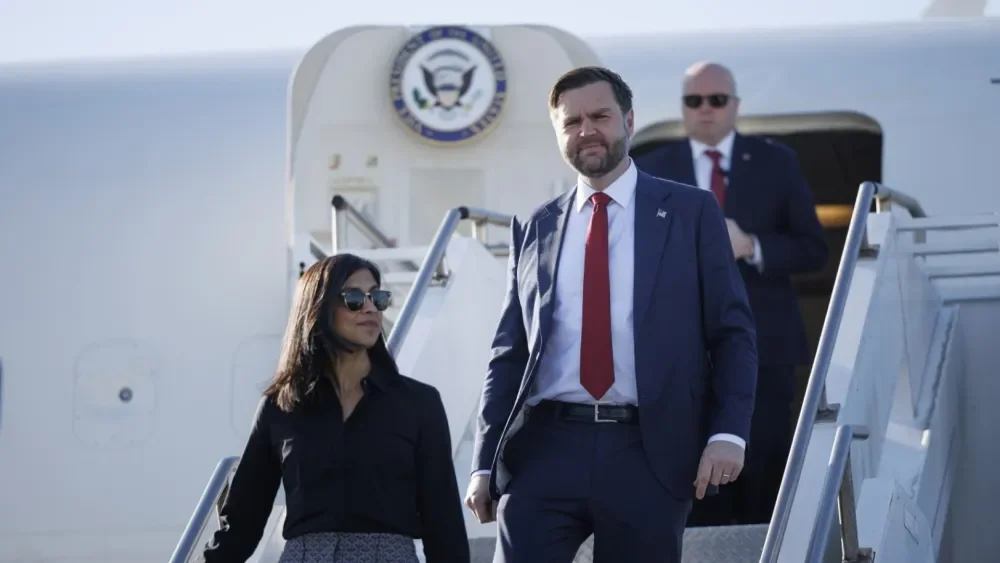
Secret Service Agents Strained by Vance’s Last-Minute Travel Demands
Vice President JD Vance is facing mounting criticism from his own Secret Service detail after a reported request to use a military helicopter to fly his young son to a golf lesson. The planned trip aboard Marine Two, the call-sign for the U.S. Marine Corps helicopter that typically transports the vice president, was canceled at the last minute due to severe thunderstorms and high winds in the Washington, D.C., area, according to two people with knowledge of the flight plans.
The incident, first reported by MS Now, has laid bare a growing morale crisis inside the team assigned to protect Vance and his family. Agents have privately expressed frustration over what they describe as an unprecedented and inappropriate use of government resources, particularly for personal and family convenience. The Vances are the first family to reside at the Naval Observatory with young children since former Vice President Al Gore left office more than 25 years ago.
Sources told MS Now that the Secret Service detail is “fed up” with hastily arranged travel requests—known internally as “off the record” movements—that often come without adequate notice. One source familiar with the mood inside the service said, “The detail is tired of them not giving notice on things and making everything an OTR. He [Vance] thinks he can still move around like a U.S. Senator.”
The Helicopter Incident: What Happened
According to multiple administration officials, Vance planned to accompany his son on the Marine Two flight to Joint Base Andrews, which houses a secure, world-class golf center. The trip was intended to get the child to his golf lesson. When weather forced its cancellation, the agents had already discussed the plan among themselves unhappily. There is no formal Secret Service policy that prohibits using a government helicopter for a vice president’s child’s local travel, but former and current supervisors told MS Now that such a request has no precedent. Prior vice presidents, they said, eschewed such expensive perks for their children’s convenience, typically relying on agents driving children in sports utility vehicles.
The cost of operating Marine Two can run tens of thousands of dollars per hour, raising questions about taxpayer expense for a personal recreational activity. The trip would have required authorization from the White House Military Office, which reports to the president.
In a statement to MS Now, the vice president’s office said: “The Vances are grateful to the men and women of the U.S. Secret Service who serve our country with distinction. While protecting a Vice President with a large policy portfolio and a young and growing family presents a unique challenge, agents of the Secret Service do so with excellence every day.”
Broader Context: A Pattern of Complaints and Low Morale
The helicopter request is not an isolated incident. Multiple sources described a pattern of last-minute demands that have strained the protective detail. Unlike previous vice presidents who planned travel well in advance, Vance and second lady Usha Vance frequently spring requests on the team with little warning. This has led to logistical headaches, overtime, and a sense among agents that their professional boundaries are being ignored.
Secret Service Deputy Director Matthew Quinn attempted to downplay the tension in a statement: “When U.S. Secret Service Special Agents choose to join a protective detail, they understand the commitment required: long hours, frequent travel, and the need for constant flexibility. Nights, weekends, and holidays are part of the job. Our agents work tirelessly to ensure protectees’ safety and security, while also preserving normalcy to the extent possible.”
Yet behind the scenes, the complaints have grown louder. Some agents worry that the constant churn of “off the record” movements creates unnecessary risk. When trips are planned hastily, security assessments can be less thorough, and backup arrangements may be weaker. The helicopter episode, in particular, struck a nerve because it involved a child and a luxury mode of transport that seemed disconnected from genuine security needs.
Comparisons to Past Vice Presidents
Agents who have served under previous administrations note a stark difference in approach. Al Gore, the last vice president with young children at the residence, relied on his Secret Service detail to drive his kids to school, sports, and friends’ houses using standard SUVs—not helicopters. Dick Cheney, Joe Biden, and Mike Pence all had adult children or no children at home, but even when grandchildren visited, agents say the requests were more contained.
The Vance family’s expanding profile—tied to a large policy portfolio and young children—presents a unique challenge, but agents argue that the current administration’s approach pushes beyond what is reasonable. The helicopter request, while ultimately canceled, became a symbol of what some inside the detail see as a disconnect between the vice president’s office and the realities of their job.
Broader Implications: Security, Taxpayer Money, and Political Accountability
The controversy over Vance’s travel comes at a time when the Trump administration is already facing scrutiny over the use of government resources by senior officials. In a parallel development, FBI Director Kash Patel reportedly canceled a planned trip to visit his musician girlfriend in Chicago as his plane was on the tarmac after frustrated White House officials summoned him to a meeting. Patel has called the reporting false, but the incident underscores a broader pattern of alleged privilege and poor judgment among top officials.
The issue also highlights the delicate balance between security and normalcy. The Secret Service is tasked with protecting principals while allowing them to live as normal a life as possible. But when requests involve taxpayer-funded helicopters for golf lessons, the line can seem blurred. Critics argue that such actions erode public trust and invite accusations of entitlement.
Investigations and Fallout
Democrats in the House and Senate are already investigating Patel for potential misuse of resources. While no similar congressional inquiry has been launched yet into Vance’s travel, the helicopter story is likely to fuel calls for oversight. The vice president’s office has not commented further beyond its initial statement.
For the agents on the ground, the morale issue is pressing. One source told MS Now that the detail is “tired” and feels that their concerns are not being heard. If left unaddressed, the burnout could affect retention and the quality of protection. The Secret Service has faced similar morale challenges in recent years, including during the Trump administration’s first term, when agents reported grueling schedules and a lack of support.
The Bigger Picture: Perks, Privilege, and the Price of Politics
The Vance helicopter incident is a microcosm of a larger debate about how public officials use the resources at their disposal. Every administration faces scrutiny over travel costs, from presidential trips to Mar-a-Lago to cabinet members’ use of private planes. But the use of military aircraft for a child’s extracurricular activity strikes many as a step too far—especially when the cost per flight hour can exceed $20,000 for a VH-60N White Hawk helicopter.
Taxpayer advocacy groups have already seized on the story. “This is exactly the kind of behavior that fuels public cynicism,” said a spokesperson for the nonpartisan Citizens Against Government Waste. “If the vice president wants his son to play golf, he can drive him or pay for a commercial flight. Using a military helicopter is outrageous.”
Legal and Ethical Boundaries
While no laws were broken—the flight never occurred—the ethical lines are murky. The Hatch Act and federal ethics rules generally prohibit using government property for personal benefit, but exceptions exist for security reasons. The question is whether the helicopter was truly necessary for security or merely a convenience. Secret Service protocols allow for flexibility when a protectee’s safety might be compromised, but agents say the golf lesson trip did not present any known threat.
The vice president’s office maintains that every request is made with security in mind, but critics note that the Vances could easily have traveled by car, as previous vice presidents did. The decision to involve Marine Two suggests a lack of awareness—or concern—about appearances.
What This Changes: A New Standard—Or a Wake-Up Call?
The Vance helicopter story could have lasting consequences. For the vice president, it adds to a narrative of privilege that may hurt him politically, especially if he has future ambitions for higher office. For the Secret Service, it may prompt internal reviews of how travel requests are approved and whether agents have adequate channels to voice concerns without fear of reprisal.
It also sets a precedent: if this administration normalizes using military helicopters for children’s extracurriculars, future vice presidents may feel entitled to similar perks. The White House Military Office, which must authorize such flights, may tighten its procedures after this episode.
Meanwhile, the public is left to wonder how much more they will pay for the privilege of their leaders’ lifestyles. In an era of rising national debt and budget debates—including ongoing talks about Social Security solvency, as highlighted by a recent Bipartisan Bill Seeks to Force Congress to Save Social Security from Insolvency—every dollar spent on luxury travel is a dollar not spent elsewhere.
The incident also comes amid other controversies in the Trump administration, including the firing of a court-appointed U.S. attorney, which set up a potential legal clash—a situation detailed in our report on Trump Fires Court-Appointed U.S. Attorney Rogoff Within 54 Minutes, Setting Up Legal Clash. Together, these stories paint a picture of an administration that often operates at the edges of accepted norms.
Conclusion: A Small Incident With Big Questions
The planned helicopter ride for JD Vance’s son may have been canceled due to weather, but the storm it has stirred inside the Secret Service is far from over. The incident raises fundamental questions about the proper use of government resources, the limits of security accommodations, and the treatment of the men and women who protect the nation’s leaders.
For now, the agents on Vance’s detail continue their work, but their frustration is a warning sign. If the vice president’s office does not adjust its approach, the cost—both in morale and money—could be significant. And in Washington, where perception often becomes reality, this story is unlikely to fade quietly.
Comments