
Israeli Minister Moves to Revoke Citizenship of NAZA Filmmakers
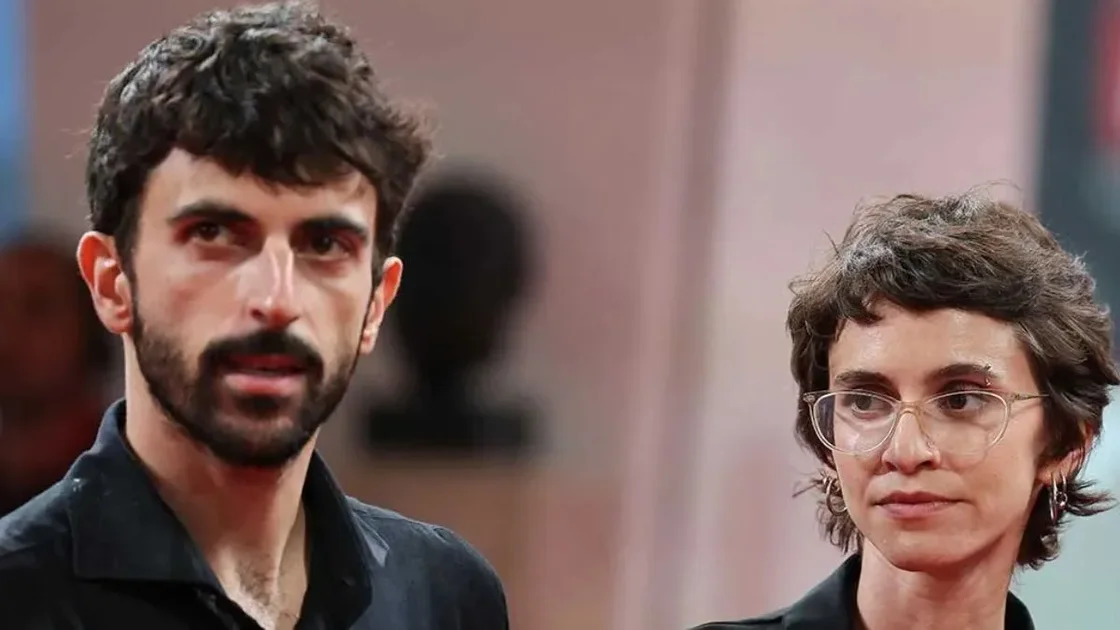
Israel's culture minister, Miki Zohar, has called for the revocation of Israeli citizenship of filmmakers Yuval Abraham and Rachel Szor, the directors of the Oscar-winning documentary NAZA, accusing them of "treason against the state." The threat follows the film's special jury prize win at the Venice Film Festival on Saturday, where it received a record 25-minute standing ovation.
In a post on X on Sunday, Zohar called the documentary "vile" and its Venice recognition "shocking," alleging that the filmmakers aimed to "harm their homeland in order to receive applause from antisemites around the world." On Monday, he escalated his stance, stating he had written to the director general of the Population and Immigration Authority and the interior ministry to examine the possibility of revoking the directors' citizenship for "breach of loyalty to the state and collaboration with the enemy." He also requested an investigation into how the film's materials were obtained and whether their acquisition or dissemination could amount to assisting the enemy during wartime.
NAZA, produced by the Guardian, takes its name from an acronym used by Israel's intelligence service to indicate the number of civilians expected to die in an airstrike on Gaza. The 80-minute film features testimonies from 24 Israeli military and intelligence whistleblowers who describe AI-powered targeting systems used to bombard Gaza, which have killed tens of thousands of civilians. One source claims approval was given to kill 500 NAZA to eliminate a single Hamas member.
Background and Immediate Fallout
The documentary's Venice success has thrust its directors into a fierce political storm. Zohar's statements mark an unprecedented escalation in Israel's response to critics of its military campaign in Gaza. The move to revoke citizenship—a rare and legally complex measure—has drawn sharp condemnation from free speech advocates and raised questions about the boundaries of dissent in Israel.
The filmmakers have not yet issued a direct response to Zohar's threat, but in interviews at Venice, they emphasized the importance of their work. "It's important Israelis watch this film," Abraham said after the win. The film, which also documents the devastating human cost of the bombardment, has been praised for its unflinching portrayal of a system that enables mass civilian casualties.
The Human Cost and the Machinery of Targeting
NAZA centers on the accounts of insiders who operated a secretive AI mapping tool that trawled for phone signals and recommended apartment buildings in Gaza to bomb. The interviewees, described as "small cogs," admitted indirect responsibility for thousands of deaths but said they never spoke up because it wasn't their place. "My role is technical," one says. "I'm just a small cog," says another.
The film reveals that the Israel Defense Forces preferred to target Hamas operatives in their homes at night, indifferent to the presence of family members or densely populated neighborhoods. At one point, a source claims approval was given to kill 500 NAZA for one Hamas member. The Gaza health ministry has reported more than 73,000 deaths in three years of Israeli bombardment, the vast majority civilian.
A Darker Chapter for Israeli Cinema
The directors, who previously won an Oscar for No Other Land, a documentary about Palestinian resistance in the occupied West Bank, have described NAZA as a descent into darkness. "No Other Land documented horrible crimes," Abraham said. "But at the same time it gave people … some light to latch on to. It's not a coincidence that this film is all in the dark. We are in a very dark place right now."
The film's Venice premiere was met with rapturous applause, but the accolades have been accompanied by a visceral backlash from Israeli officials. Culture Minister Zohar's threat to strip citizenship is the most severe reaction yet, signaling a widening crackdown on Israeli voices critical of the war.
Legal and Political Implications
Revoking citizenship in Israel is governed by the Nationality Law, which allows for revocation in cases of breach of loyalty, but such measures are typically reserved for individuals who join enemy forces or commit acts of terrorism. Applying this to filmmakers for producing a documentary could set a significant legal precedent, potentially chilling free expression and raising concerns about political persecution.
Zohar's request also includes an investigation into the film's sources, hinting at possible charges of aiding the enemy. This could implicate the whistleblowers who spoke to the directors, potentially exposing them to prosecution. The move has been interpreted by critics as an attempt to intimidate not only the filmmakers but also anyone considering similar disclosures.
International Reaction and the Question of Genocide
The documentary's description of "calculated mass killings" and its focus on AI-assisted targeting have amplified international scrutiny of Israel's conduct in Gaza. The film's Venice prize adds a prestigious platform to calls for accountability. Abraham said he hoped the documentary would push Western governments to apply economic sanctions on Israel.
Meanwhile, the film has drawn fierce responses from both Israeli and Palestinian sides, according to Haaretz, which noted that the directors "knew they would be marked as traitors." The opinion piece praised them for doing "something almost impossible" and expressed hope that they survive the assault.
Broader Implications: Art, Dissent, and the Cost of Speaking Out
The threat to revoke citizenship represents a new front in the battle over narrative and dissent within Israel. It also underscores the risks faced by artists who challenge state policy in times of war. The directors, already Oscar winners, now find themselves at the center of a global debate about freedom of expression, the role of documentary film in exposing state violence, and the limits of patriotic loyalty.
As the film continues to garner international attention, the Israeli government's response may further isolate it on the world stage. The Venice jury's decision to award NAZA signals that the international film community overwhelmingly supports the filmmakers' right to tell this story. Whether that support translates into political pressure remains to be seen.
In the meantime, Yuval Abraham and Rachel Szor face an uncertain future. Their citizenship hangs in the balance, and their safety—both physical and legal—is under threat. Yet their film has already achieved what they set out to do: it has forced a conversation about the moral and technological machinery of modern warfare, a conversation that no threat of revocation can silence.
What Happens Next
Zohar's request will now be reviewed by the Population and Immigration Authority and the interior ministry. If they proceed, it could lead to a lengthy legal battle. The filmmakers have not indicated whether they will challenge the move, but given their history of speaking truth to power, they are unlikely to back down. International pressure, particularly from the film industry and human rights organizations, may also play a role in shaping the outcome.
As the world watches, the case of NAZA has become a litmus test for Israel's commitment to democratic values. In a time of war, the definition of treason is being stretched to encompass artistic expression that exposes uncomfortable truths. The coming weeks will determine whether the state can punish its critics for telling stories it would rather keep hidden.
Comments