
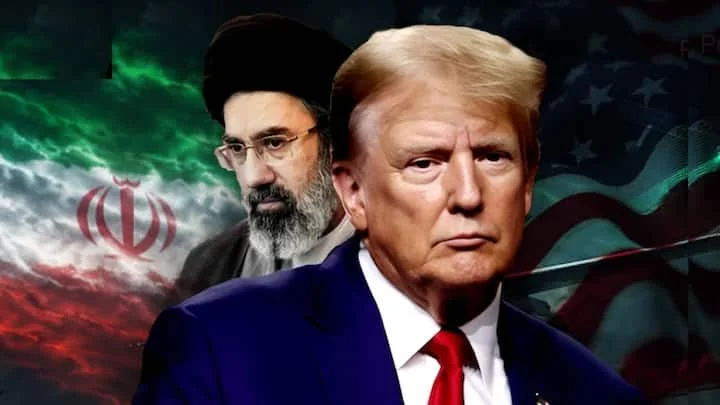
Fresh Strikes and Escalation Mark a War Without End
The U.S.-Iran conflict reached its six-month mark on August 28, 2026, with no end in sight. Over the weekend, U.S. forces struck two Iranian missile launchers on Larak Island in the Persian Gulf, marking the first American military action against Tehran in a month, according to U.S. Central Command. In response, Iran's Islamic Revolutionary Guard Corps (IRGC) launched ballistic missiles at American bases in Jordan, a dramatic escalation that was largely intercepted by Jordanian air defenses.
Meanwhile, President Trump continued to project optimism, insisting Iran is "begging to make a deal," but Tehran publicly downplays such claims. Iranian President Masoud Pezeshkian, however, admitted some vulnerability to economic sanctions over the weekend — a rare acknowledgment from a senior Iranian official.
The Human and Economic Toll of the Blockade
The war has taken a devastating toll on shipping and seafarers in the region. The UN's International Maritime Organization reported that at least 6,000 sailors remain stranded aboard hundreds of vessels in the Persian Gulf. At least 19 seafarers have been killed and 70 attacks on international shipping recorded since the conflict began. The U.S.-enforced blockade against Iran has led American forces to redirect 82 commercial vessels, disable three, and board two to ensure compliance as of August 28.
The Strait of Hormuz, which normally carries about 20% of the world's traded oil and natural gas, remains well below normal traffic levels despite U.S. efforts to secure the waterway. This persistent disruption has global energy markets on edge and underscores the strategic stakes of the conflict.
Diplomacy Stalls as Regional Support Fractures
President Trump told Fox News that Iran's attacks on neighboring Gulf states — Saudi Arabia, Qatar, UAE, Bahrain, and Kuwait — were "a very good thing" because they cost Tehran regional support. Indeed, Iran's aggression has alienated its neighbors, leaving it more isolated than before the war. Yet diplomatic progress remains elusive: the administration has not presented a clear exit strategy, despite Trump's initial prediction that the war would last six weeks.
The State Department, meanwhile, has begun allowing some diplomats' families to return to posts in Qatar, Kuwait, Bahrain, Israel, and Lebanon, a practical adjustment rather than a signal of policy change. This move highlights the tension between maintaining a robust presence and managing the risks of a prolonged conflict.
The continuation of the war has also created a humanitarian and economic emergency. The stranded sailors, many from low-income countries, face dire conditions as shipping companies avoid the region. The blockade's ripple effects are felt far beyond the Gulf, contributing to global supply chain disruptions and potential inflationary pressures.
A Wider Regional War?
The IRGC's attack on American bases in Jordan marks a troubling new dimension. If retaliation escalates, the conflict could expand into a broader regional war, drawing in allies and risking further destabilization of the Middle East. Iran's willingness to strike at U.S. assets outside the immediate Gulf theater signals a more assertive posture. The successful Jordanian interception of eight missiles, however, shows that some Arab states remain aligned with Washington.
As the war enters its seventh month, the prospect of a quick resolution appears dim. The U.S. says it will continue to enforce the blockade and strike Iranian military infrastructure as needed. Iran, for its part, remains defiant, with the IRGC threatening further attacks.
While analysts had hoped that a months-long stalemate would push both sides toward negotiations, the opposite seems true: the conflict has entrenched positions, increased human suffering, and created new flashpoints. The coming weeks will test whether the Trump administration can maintain its stated policy without triggering a wider war — or whether the "brave" rhetoric of early 2026 will give way to a longer, more costly engagement than anyone anticipated.
Comments