
Qatar Rushes Mediators to Tehran as Strait of Hormuz Talks Reach Climax
Diplomatic efforts to end the U.S.-Iran war entered a critical phase this week as Qatar dispatched a high-level mediation team to Tehran, signaling that negotiations to reopen the strategic Strait of Hormuz may be nearing a breakthrough. The Gulf state’s move comes as Pakistan continues to serve as the primary interlocutor between Washington and Tehran, with the head of the Pakistan army, Field Marshal Asim Munir, also expected in the Iranian capital.
The core of the emerging deal involves reopening the strait—through which about one-fifth of the world’s oil passes—in exchange for the lifting of U.S. sanctions and the unfreezing of Iranian assets. Under the proposed framework, a memorandum of understanding on the strait would be followed by 30 days of talks on Iran’s nuclear program, effectively deferring the most contentious issue: the fate of Iran’s 440-kilogram stockpile of uranium enriched to 60 percent purity.
U.S. Secretary of State Marco Rubio acknowledged that there has been “a little progress” but stressed that Washington would not accept Iran’s plan to impose tolls on commercial shipping through the waterway. Iran has established a Persian Gulf Strait Authority (PGSA) to regulate traffic and levy fees, a proposal the U.S. flatly rejects.
The Uranium Impasse
While the strait negotiations represent a potential path toward de-escalation, the question of Iran’s enriched uranium remains the single most divisive issue. On Thursday, President Donald Trump reiterated his demand that Iran surrender its stockpile, telling reporters, “We will get it. We don’t need it, we don’t want it. We’ll probably destroy it after we get it, but we’re not going to let them have it.”
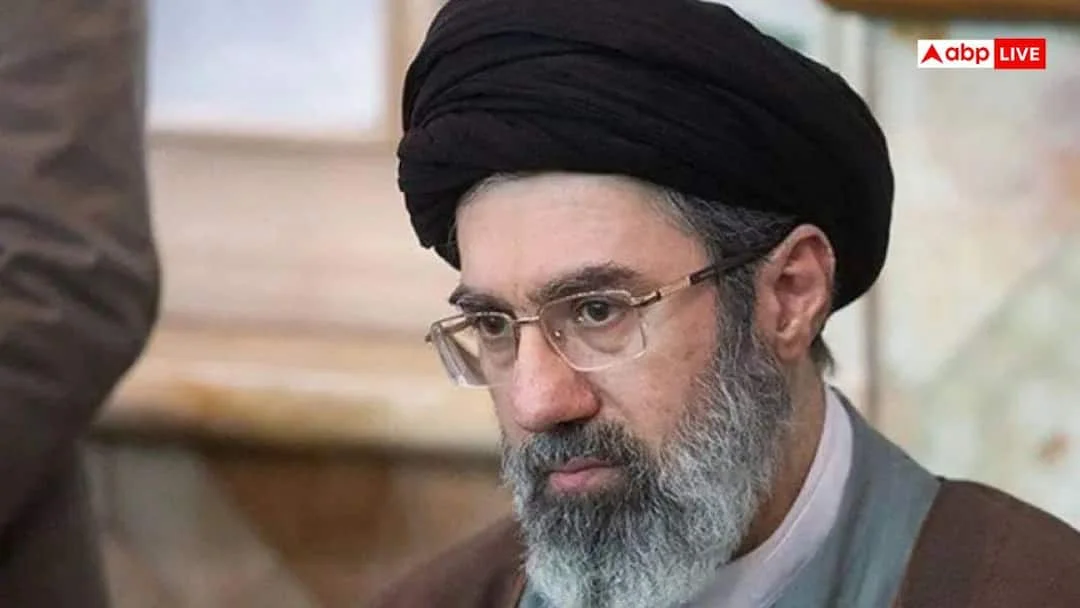
That same day, Reuters reported that Iran’s Supreme Leader, Ayatollah Mojtaba Khamenei, had issued a directive prohibiting the removal of enriched uranium from the country. Two senior Iranian sources confirmed the order, saying it reflects a consensus within the establishment that sending the material abroad would leave Iran vulnerable to future attacks by the United States and Israel.
“The Supreme Leader’s directive, and the consensus within the establishment, is that the stockpile of enriched uranium should not leave the country,” one of the sources said.
Why the Uranium Stockpile Matters
Uranium enriched to 60 percent purity is far below the 90 percent threshold required for weapons-grade material, but nuclear experts warn it represents a significant reduction in the time needed to produce a bomb. Once uranium reaches 60 percent, it can be further enriched to 90 percent in a matter of days or weeks, depending on the number of centrifuges available.
Iran has long insisted that its nuclear program is entirely civilian and that it has no intention of building atomic weapons. The 2015 Joint Comprehensive Plan of Action (JCPOA) placed strict limits on Iran’s enrichment activities in exchange for sanctions relief, but Trump withdrew from that deal in 2018, reimposing harsh economic penalties. Iran responded by exceeding the JCPOA’s enrichment limits, gradually increasing both the purity and quantity of its stockpile.
The current conflict, which began earlier this year, has brought the nuclear issue to a head. Israel has made the removal of Iran’s enriched uranium a non-negotiable condition for ending hostilities. Prime Minister Benjamin Netanyahu has stated that he will not consider the war over until the uranium is gone, along with an end to Iran’s support for proxy militias and the elimination of its ballistic missile program.
Trump has reportedly assured Israel that any peace deal will include a clause requiring Iran to send its enriched uranium abroad. But Khamenei’s directive suggests Tehran is prepared to resist that demand, even at the cost of prolonging the conflict.
Can Highly Enriched Uranium Be Safely Moved?
A key practical question underlying the standoff is whether Iran’s 440 kilograms of 60-percent enriched uranium can be safely transported to another country. Experts say the answer is yes, but with significant caveats.
Highly enriched uranium is typically shipped in specialized containers designed to withstand extreme conditions, including fires, crashes, and impacts. International Atomic Energy Agency (IAEA) guidelines require multiple layers of containment, secure tracking, and armed escort during transit. Countries such as Russia and France have experience with such transfers, having handled similar materials in the past.
However, the political and security risks are enormous. Moving the stockpile through or over conflict zones—particularly the Persian Gulf and the Strait of Hormuz—would require unprecedented coordination and guarantees of safe passage. A single accident or attack during transit could result in a radiological release, even if not a nuclear detonation.
Iranian officials argue that the risks of transportation outweigh any benefits, especially given the lack of trust in U.S. intentions. “Sending the material abroad would leave the country more vulnerable to future attacks,” the Iranian source said. Tehran has suggested an alternative: diluting the stockpile to lower enrichment levels under IAEA supervision, a process that would render the material unsuitable for rapid weapons production while keeping it within Iran’s borders.
Mediation Efforts Intensify
Qatar’s entry into the mediation process marks a significant shift. Until now, Qatar—often considered the Middle East’s most skilled diplomatic broker—had stayed on the sidelines, leaving Oman and later Pakistan to handle the talks. But as negotiations have reached what the Guardian described as a “climax,” Doha has stepped in, possibly to provide fresh momentum or to bridge gaps that other mediators could not close.
Pakistan’s role has been particularly prominent in recent days. Interior Minister Mohsen Naqvi met Iranian Foreign Minister Abbas Araghchi twice in 48 hours, and there are indications that Pakistan may seek to bring China in as a guarantor of any final deal. Beijing has close economic ties with both Iran and the Gulf states and could provide the financial and diplomatic backing needed to implement a comprehensive agreement.
Anwar Gargash, a senior diplomatic adviser to the United Arab Emirates, offered a cautionary note, warning that Iran might be “over-negotiating.” “They have a tendency to overestimate their cards,” Gargash said, suggesting that Tehran’s insistence on tolls and uranium retention could backfire if the U.S. and Israel conclude that a military solution is preferable.
Those fears were amplified by U.S. media reports that the Trump administration is weighing new military strikes against Iran. Both Axios and CBS reported that no final decision has been made, but the very existence of such discussions underscores the fragility of the diplomatic track.
Broader Implications
The outcome of these negotiations will have consequences far beyond the immediate conflict. If the strait is reopened and the uranium issue resolved—whether through transfer, dilution, or some other compromise—it could set a precedent for how future nuclear standoffs are managed, particularly in the Middle East. Conversely, if talks collapse, the region could face an intensified war, with the Strait of Hormuz becoming a permanent flashpoint.
For the global economy, the stakes are equally high. The strait’s closure has already disrupted energy markets, sending oil prices soaring and forcing shippers to take longer, more expensive routes. A sustainable reopening would provide relief to consumers and businesses worldwide, while an imposition of tolls would create a new layer of cost and complexity for international trade.
The nuclear dimension adds an existential dimension. Iran’s ability to enrich uranium to near-weapons grade means that even if the current stockpile is dealt with, the underlying capability remains. A deal that fails to address Iran’s enrichment infrastructure, centrifuge technology, and research activities would leave the door open for rapid reconstitution of a weapons-ready stockpile in the future.
At the same time, any agreement that completely dismantles Iran’s enrichment capability would likely be rejected by Tehran, which views the technology as a symbol of national sovereignty and scientific achievement. The challenge for mediators is to find a middle ground that satisfies U.S. and Israeli security concerns without humiliating Iran or empowering its hardliners.
For now, the focus is on the immediate steps: signing a memorandum on the strait, initiating the 30-day nuclear talks, and keeping the military option at bay. The presence of Qatari mediators in Tehran, combined with the continued engagement of Pakistan and the possible involvement of China, suggests that all parties are still searching for an off-ramp. But Khamenei’s directive on uranium, and Trump’s insistence on removal, indicate that the hardest bargaining lies ahead.
Comments