
US Launches Retaliatory Strikes on Iran, Revokes Oil Sale Waiver
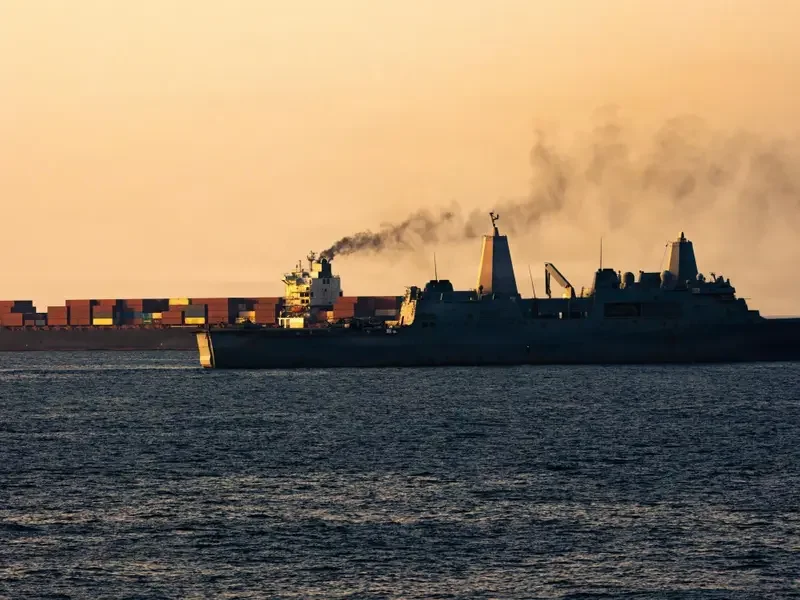
The United States launched a series of powerful strikes against dozens of Iranian targets on Tuesday, responding directly to Iranian attacks on three commercial vessels in the Strait of Hormuz. US Central Command (CENTCOM) confirmed the operation targeted air defense systems, radar installations, anti-ship missile sites, and numerous small boats operated by Iran's Revolutionary Guard.
The strikes mark a significant escalation in the long-simmering conflict between Washington and Tehran, and come just weeks after the two nations signed a 60-day ceasefire memorandum of understanding. The Treasury Department simultaneously revoked a waiver that had allowed Iran to sell oil and petrochemicals, cutting off a critical revenue stream that had been granted during recent diplomatic talks.
Immediate Aftermath and Regional Fallout
Late Tuesday evening, Kuwait and Bahrain — two US-allied Persian Gulf states — reported incoming hostile fire. The Kuwaiti Army announced its air defenses are "currently confronting hostile missile and drone attacks," while Bahrain's Interior Ministry confirmed its alarm sirens have been activated. Neither country specified the source of the threats, but both have faced Iranian drones and missiles during previous confrontations between the US and Iran.
Iran's state TV network acknowledged the earlier attacks on tankers, reporting that at least one vessel ignored warnings from Iranian forces. However, Tehran did not officially claim responsibility for any of the initial strikes on commercial shipping.
Why This Escalation Matters
The Strait of Hormuz is one of the world's most critical maritime chokepoints, through which roughly 20% of the global oil supply passes daily. Any disruption to shipping there has immediate implications for global energy prices and supply chains. Tuesday's attacks on three tankers were the first direct Iranian strikes on commercial vessels in the area since tensions flared earlier this year, and the US response signals a dramatic departure from the diplomatic track pursued just weeks ago.
The Failed Diplomatic Track
Just last month, US and Iranian negotiators finalized a memorandum of understanding that extended a fragile ceasefire for 60 days. That deal required Iran to ensure safe passage for commercial ships through the strait. Iran's Parliament Speaker Mohammad Bagher Ghalibaf, a key negotiator in those talks, accused the US Tuesday night of committing several "major" violations of the agreement, pointing to the strikes and the revocation of the oil waiver as breaches. He also criticized the "persistent threats of future strikes" from Washington and Israel's ongoing conflict with Hezbollah in Lebanon.
The US position is that Iran's attack on the three tankers violated the ceasefire terms first, making the American response a justified act of self-defense. A senior US official stated plainly that "Iran's actions in the Strait were wholly unacceptable to the United States and will be met with consequences."
Regional Spillover Risks
Kuwait and Bahrain's reports of incoming fire underscore the risk of a wider regional war. Both countries host US military bases and have been drawn into past US-Iran confrontations. The current crisis also intertwines with other flashpoints: Iran-backed Hezbollah remains locked in combat with Israel in Lebanon, and Iran's proxies in Yemen have previously targeted shipping in the Red Sea. Any miscalculation could pull multiple nations into a direct conflict.
What This Changes: Broader Implications for US-Iran Relations
Tuesday's events fundamentally alter the trajectory of US-Iran relations. The diplomatic track that produced last month's ceasefire is now effectively in tatters, with both sides accusing the other of violating its terms. The revocation of the oil waiver is particularly significant, as it had been a key incentive for Iran to negotiate in the first place.
Shifting Dynamics in the Gulf
For Gulf Arab states, the crisis presents a familiar but increasingly dangerous dilemma. Countries like the UAE and Saudi Arabia have spent years trying to balance relations with both Washington and Tehran. The direct attacks on Kuwait and Bahrain — whether launched by Iran or its proxies — will likely force these nations to choose sides more explicitly. This could erode the normalization efforts that had gained traction in the region over the past several years.
Energy Market Shockwaves
The strikes come at a time when global energy markets are already volatile due to geopolitical tensions in Eastern Europe and ongoing production disputes within OPEC+. Any sustained disruption to shipping through the Strait of Hormuz could send oil prices spiking, with knock-on effects on inflation and economic growth worldwide. Traders are already pricing in a risk premium, and further escalations could trigger emergency releases from strategic petroleum reserves.
Broader US Strategic Posture
The Trump administration's decision to launch direct strikes on Iranian territory, rather than limiting itself to naval skirmishes, represents a major strategic shift. Previous confrontations — such as the January 2020 killing of Qasem Soleimani and subsequent Iranian missile attacks on US bases in Iraq — did not lead to sustained ground combat on Iranian soil. Tuesday's operation is far more expansive in scope and location, targeting dozens of sites inside Iran itself.
This approach risks drawing the US into a prolonged conflict at a time when the Pentagon is already stretched by commitments in Eastern Europe and the Indo-Pacific. It also throws into question the viability of any future diplomatic agreements with Tehran, as Iranian hardliners gain leverage from the strikes to argue that negotiations with Washington are futile.
The Human Cost
Initial reports from Iran indicate civilian casualties are possible, though the Pentagon has stated that all targets were military in nature. The Iranian Health Ministry has yet to release official figures. As with any armed conflict, the human toll — both direct and indirect — will mount quickly, particularly if the strikes disrupt essential infrastructure such as power grids or water treatment facilities.
Global Diplomatic Reaction
Reactions from US allies and adversaries have been mixed. European nations, which had been critical both of Iran's nuclear program and of the Trump administration's withdrawal from the 2015 nuclear deal, are now calling for restraint on all sides. Russia and China — both close partners of Iran — have condemned the US strikes as a violation of international law and are likely to use their UN Security Council positions to pursue resolutions against Washington.
NATO, meanwhile, is reportedly unveiling billions of dollars in arms deals this week, with Secretary-General Jens Stoltenberg framing the investments as essential to demonstrating the alliance's firepower. President Trump is also expected to raise the Iran situation at the upcoming NATO summit, as he simultaneously renews calls for the US to control Greenland.
Looking Ahead: A Dangerous New Phase
The coming days will be critical in determining whether the US and Iran can de-escalate or whether the region is sliding toward a broader war. Iran has several options for retaliation, from asymmetric attacks on US assets in Iraq and Syria to renewed strikes on shipping, to cyber operations targeting US infrastructure. Tehran may also accelerate its nuclear enrichment program, which had been partially constrained by the now-fractured diplomatic agreement.
For the United States, the challenge will be to demonstrate military resolve while simultaneously preserving an off-ramp for de-escalation. The strikes were designed to degrade Iran's ability to threaten shipping, but they have also raised the cost of any Iranian counter-response. A US official indicated that additional strikes are possible if Iran continues its aggressive behavior.
Meanwhile, the broader context of President Trump's foreign policy remains unpredictable. While he has frequently cited his first-term killing of Soleimani as a success, he also campaigned on a platform of ending "forever wars" and bringing troops home. The current operation — a direct attack on Iran — may test the limits of that promise.
As events continue to unfold, the world is watching whether this escalation will spiral into a sustained conflict or whether cooler heads will prevail. What is clear is that the relationship between Washington and Tehran has entered a dangerous new phase, and the consequences will be felt far beyond the Persian Gulf.
Comments