
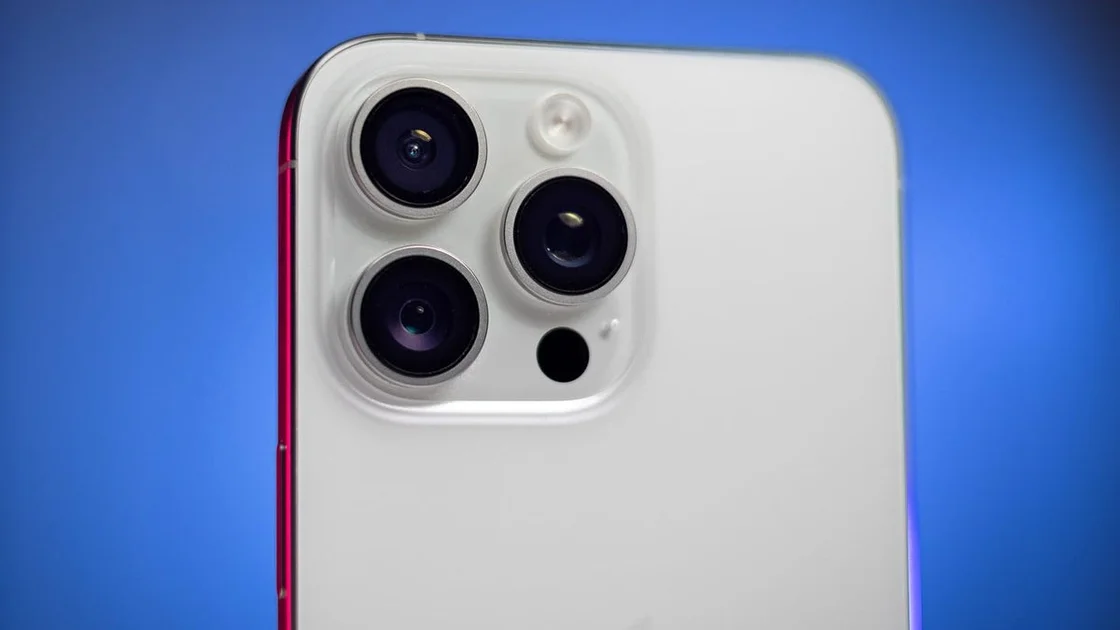
Exclusive Diagnostics Log Confirms iPhone 18 Pro Max Camera Overhaul
Just two months ahead of its expected September launch, a confirmed diagnostics log from a massive data breach at Tata Electronics has solidified key camera specifications for the iPhone 18 Pro Max. The log, published by Notebookcheck on July 17, 2026, reveals that the flagship device will feature a new Sony IMX905 main sensor with variable aperture support—a first for any iPhone.
The variable aperture, backed by a dedicated calibration block in the sensor’s non-volatile memory, will allow users to manually control light intake and depth of field on the 48-megapixel Fusion camera. While variable aperture has been available on competitors’ flagships for years, its arrival on an iPhone marks a significant shift in Apple’s imaging strategy. The leaked calibration strings read actuator data tied directly to the aperture mechanism, confirming that the feature is beyond the rumor stage and is now baked into production firmware.
According to the diagnostics log, the rest of the camera array remains unchanged from the iPhone 17 Pro Max: the telephoto sensor (Sony IMX973, 0.7μm pixels binning to 1.4μm), the ultrawide (Sony IMX972), the LiDAR receiver (Sony IMX591), and the selfie camera (Sony IMX914) all carry over. The main sensor’s pixel size stays at 1.22μm, suggesting the upgrade is focused on the aperture mechanism rather than raw resolution.
A Smaller Dynamic Island and 5G via Satellite Lead Feature List
Beyond the camera, the iPhone 18 Pro and Pro Max are expected to bring several other rumored upgrades, as reported by MacRumors on July 17. A consolidated list of 12 features includes a smaller Dynamic Island, achieved by moving Face ID’s flood illuminator under the display. This would free up space at the top of the screen, offering a more immersive viewing experience.
The devices will also see display improvements via LTPO+ technology, which promises longer battery life while retaining the 6.3-inch and 6.9-inch screen sizes and the “plateau” design from the iPhone 17 Pro series.
Under the hood, the A20 Pro chip will be manufactured on TSMC’s first-generation 2nm process, a leap from the A19 Pro’s 3nm node. This should deliver substantial performance and power efficiency gains, especially when paired with a new C2 modem designed by Apple. The C2 modem will support 5G via satellite, enabling web browsing without Wi-Fi or a traditional cellular connection—a capability that could redefine connectivity in remote areas.
Additionally, the iPhone 18 Pro models will include Apple’s N2 chip, enabling Wi-Fi 7, Bluetooth 6, and Thread support, further improving the reliability of features like Personal Hotspot and smart home integration.
Price Hikes Become Inevitable Amid DRAM Crisis and Production Costs
While the feature set is compelling, the price tag will be a central talking point. Multiple sources, including Mashable and Wccftech, point to significant price increases for the iPhone 18 Pro and Pro Max. Apple CEO Tim Cook has already prepared the market, telling the Wall Street Journal that “price increases are unavoidable,” citing the ongoing DRAM shortage—dubbed "RAMageddon"—and higher production costs for components like the new camera sensor and memory chips.
Industry analysts at Citi, in an investor note cited by Wccftech, predict that demand for premium models will remain “more resilient” despite the hikes. Citi argues that Apple will “outperform the broader smartphone market through share gains, design-driven demand, and strong positioning in the mid-range price segment via promotions and subsidies.”
Estimates suggest the iPhone 18 Pro Max could see a $200 price increase, bringing its starting price to around $1,299, while the base Pro model may also rise. The DRAM crisis, which has already driven up MacBook prices earlier this year, is hitting the smartphone industry hard, but Apple appears willing to pass costs to consumers—especially given that the iPhone 18 Pro lineup offers what many consider a generational leap in features.
Apple Delays Base iPhone 18 to Focus on Premium and Foldable
In an unusual strategic move, Apple has decided not to launch the base iPhone 18 alongside the Pro models this September. Instead, the cheaper iPhone 18 and iPhone 18e, along with a second-generation iPhone Air, are expected in March 2027. This marks the first time since the original iPhone that Apple has bifurcated its flagship lineup across different launch cycles.
The decision underscores Apple’s bet that high-end buyers will absorb price increases and keep margins healthy. The foldable iPhone Ultra (or iPhone Fold) is also expected to debut in September, further lifting Apple’s Average Selling Price (ASP). According to Citi, the iPhone Fold will contribute significantly to Apple’s margins, even as the company navigates the worst memory chip shortage in a decade.
Ming-Chi Kuo, the well-known TF International Securities analyst, has suggested that Apple’s growing Services revenue—which includes App Store, Apple Music, and iCloud—could provide a financial buffer if the company chooses to absorb some cost increases rather than pass them entirely to consumers. However, given Cook’s public comments and recent history, a full pass-through seems likely.
Broader Implications: Apple’s Pricing Power and Industry Trends
The iPhone 18 Pro Max’s feature set and pricing strategy come at a pivotal moment for the smartphone industry. With the global DRAM crisis showing no signs of abating, and AI chip demand gobbling up memory supply, every major OEM faces tough decisions on pricing. Apple’s decision to delay the base iPhone 18 and go all-in on premium models could set a precedent for how other manufacturers handle component cost inflation.
Apple is also navigating a leadership transition. New CEO John Ternus officially takes the helm on September 1, 2026, meaning the iPhone 18 Pro launch will be his first major product debut. Investors and analysts will watch closely to see if he maintains Cook’s disciplined pricing strategy or pivots toward market share expansion.
The exclusive diagnostics leak also raises questions about supply chain security. The ransomware attack on Tata Electronics, which exposed thousands of internal documents, is one of the largest in the tech supply chain industry. While Apple has not commented, the incident could accelerate moves toward greater internalization of component manufacturing—a trend Apple has already embraced with its custom modems and chips.
What This Means for Consumers
For consumers, the iPhone 18 Pro Max promises a genuine camera upgrade, longer battery life, and satellite-based connectivity—but at a cost that may approach or exceed $1,300. The variable aperture is the standout feature, giving photographers control over depth of field that was previously impossible on an iPhone. Combined with the A20 Pro’s 2nm efficiency, the device could be the most powerful and versatile iPhone ever made.
However, the absence of a lower-cost option at launch may push budget-conscious buyers to wait until early 2027 or consider the iPhone 17 Pro models, which will likely see price drops after September. With the foldable iPhone Ultra also on the horizon, Apple’s 2026 lineup is shaping up to be the most fragmented—and expensive—in the company’s history.
Related articles: iPhone 18 Pro leaks reveal $200 price hike, brighter display, and A20 Pro chip, iPhone 18 Pro Max price hikes and AI approval in China signal a pivotal September.
Comments