
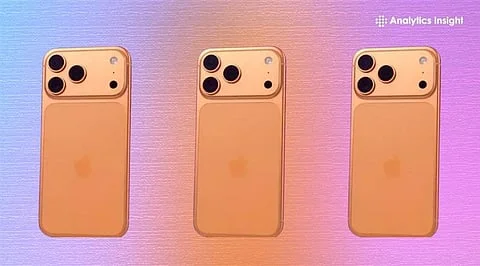
Apple iPhone 18 Pro leaks intensify: What we know so far
As July 2026 draws to a close, a fresh wave of leaks and analyst reports has painted a clearer picture of Apple's upcoming iPhone 18 series, particularly the high-end iPhone 18 Pro and iPhone 18 Pro Max. Following a large-scale hack that exposed thousands of internal Apple documents—including supplier details and test results—the rumor mill has accelerated. While Apple has not officially confirmed any specifications, multiple credible sources now converge on a September 2026 launch event, with pre-orders expected days after the announcement and retail availability roughly a week later.
According to supply chain leaks reported by Mashable and several tech outlets, the iPhone 18 Pro is expected to start at $1,299, a $200 increase over the iPhone 17 Pro. The price hike is largely attributed to the ongoing global memory chip shortage—dubbed "RAMageddon" by industry observers—driven by surging demand from the AI sector. Outgoing Apple CEO Tim Cook has already prepared consumers for higher prices, telling the Wall Street Journal that "price increases are unavoidable." The Journal's analysis estimates that the memory components alone will cost Apple $150 more per iPhone 18 Pro compared to its predecessor.
Beyond pricing, leaks point to hardware upgrades across the lineup. The iPhone 18 Pro and Pro Max are widely expected to feature Apple's next-generation A20 Pro chip, built on an enhanced 3nm process, delivering faster AI processing and improved energy efficiency. Display upgrades include a brighter OLED panel with higher peak brightness and enhanced HDR performance, particularly for outdoor visibility. The Pro Max variant is rumored to sport a 6.9-inch screen, while the standard Pro model will retain a 6.3-inch display. A smaller Dynamic Island cutout is also expected on some models.
Design changes appear evolutionary rather than revolutionary. Apple is expected to retain its premium titanium frame with subtle refinements, while introducing new color options including a Dark Cherry finish, alongside Silver, Dark Gray, and Light Blue. Camera improvements are said to focus on upgraded sensors for better low-light photography and computational photography enhancements. Battery life could see a boost, with the iPhone 18 Pro Max reportedly housing a 5,000mAh cell, though the larger capacity may result in a slightly thicker and heavier device. RAM is expected to increase to 12GB across the lineup, and the phones will likely include Apple's in-house C2 modem for improved 5G connectivity along with upgraded Wi-Fi performance.
Why the iPhone 18 Pro price hike matters
The anticipated $200 price increase places the iPhone 18 Pro at a starting price that would make it one of the most expensive mainstream smartphones ever sold in the United States. This matters not only for Apple's bottom line but also for the broader smartphone market, which has seen inflationary pressures across components, logistics, and labor. Apple's iPhone remains the world's best-selling premium smartphone, and its pricing decisions often set the ceiling for competitors like Samsung and Google.
The memory chip shortage, which has also driven up prices for laptops and gaming consoles, shows no signs of abating. Apple has so far managed to mitigate some of these costs through its massive scale and long-term supplier contracts, but Cook's comments suggest the company can no longer absorb the increases. The introduction of a low-cost $599 MacBook earlier this year demonstrated Apple's ability to offer budget options in some categories, but for the iPhone, the trend is clearly upward.
For consumers, the price hike comes at a time when many are already feeling the pinch of inflation. The iPhone 18 Pro's $1,299 starting price could push some buyers toward the standard iPhone 18 or even older models, though Apple's strong ecosystem lock-in—iMessage, iCloud, App Store purchases—tends to retain loyal customers. Analysts also note that carrier subsidies and trade-in programs may soften the blow, but the underlying trend is unmistakable: flagship smartphones are becoming a luxury good.
Another factor driving costs is the integration of advanced AI features. The A20 Pro chip's neural engine is expected to power on-device AI capabilities within iOS 27, the upcoming operating system that will debut alongside the iPhone 18 series. Siri is rumored to become significantly smarter, leveraging Apple Intelligence for more natural conversations and proactive assistance. However, Apple's push into AI has also led to legal friction; the company recently sued OpenAI over alleged trade secret theft, a move that underscores the high stakes in the AI arms race. The lawsuit could affect future AI partnerships and feature rollouts, particularly in regions like China where AI regulatory approval remains a hurdle. Our analysis of iPhone 18 Pro Max price hikes and AI approval in China highlights how these factors may shape the device's global availability.
Broader implications: Foldable iPhone, leadership transition, and market trends
The iPhone 18 launch will also mark a historic moment for Apple: it will be the first major product introduction under new CEO John Ternus, who officially takes over on September 1, 2026. Ternus, previously Apple's senior vice president of Hardware Engineering, inherits a company that is simultaneously navigating internal transitions, geopolitical challenges, and intense competition. His keynote debut will be closely watched by investors and consumers alike.
Perhaps the most exciting rumor surrounding the iPhone 18 event is the potential debut of Apple's first-ever foldable device, tentatively called the iPhone Fold Ultra or simply the iPhone Ultra. While details remain scarce, multiple sources suggest Apple has been working on a foldable iPhone for years, perfecting the hinge mechanism and display durability. If launched this September, it would position Apple as a late but potentially transformative entrant in the foldable market, currently dominated by Samsung and Huawei. A foldable iPhone could command a premium well above the $1,299 Pro price point, possibly exceeding $1,800, and would test whether consumers are willing to pay a significant premium for a larger screen in a pocketable form factor.
The foldable rumor also raises questions about Apple's product strategy. Is the foldable iPhone meant to replace the Pro Max, or will it exist as a separate ultra-premium tier? Some leaks suggest Apple may adopt a staggered release strategy, launching only the Pro models in September 2026 and saving the standard iPhone 18 and the foldable for a spring 2027 release. Such a move would break from Apple's traditional all-at-once September launch, but it could help manage supply chain constraints and maintain consumer interest throughout the year.
On the software side, iOS 27 is expected to bring deeper integration of Apple Intelligence, including an upgraded Siri that can handle multi-step tasks and better understand context. This aligns with the broader industry trend of embedding generative AI into everyday devices. Apple's focus on on-device processing (rather than cloud-based AI) appeals to privacy-conscious users, but it also places greater demands on the A20 Pro chip and memory—another reason for the RAM upgrade to 12GB.
Competitors are not standing still. Samsung's Galaxy S27 series, expected in early 2027, is rumored to feature similar AI capabilities and a possible under-display camera. Google's Pixel 12 will likely continue its focus on computational photography and AI. But Apple's ecosystem advantage remains formidable. The iPhone 18 Pro is more than a phone; it is the centerpiece of a suite of services—Apple Music, Apple TV+, iCloud, Fitness+—that generate recurring revenue. A price hike may actually boost Apple's average selling price and profit margins, even if unit sales dip slightly.
On a global scale, the iPhone 18 Pro's success will depend partly on regulatory factors. In China, Apple's third-largest market, AI features often require government approval. The ongoing trade tensions and chip export restrictions also complicate the supply chain. Apple has been diversifying production to India and Vietnam, but the transition is gradual. The outcome of the Apple-OpenAI lawsuit could further shape the AI landscape, potentially delaying or altering features.
Conclusion: A pivotal moment for Apple
The iPhone 18 Pro leaks paint a picture of an iterative but meaningful upgrade: better performance, improved cameras, a brighter display, and a much higher price. The device will debut under a new CEO, alongside a potential foldable iPhone, and amid a volatile economic environment. For consumers, the decision to upgrade will hinge on whether the A20 Pro chip, iOS 27's AI enhancements, and the new Dark Cherry color justify the $200 premium. For Apple, the iPhone 18 series represents a test of its pricing power and its ability to innovate in a mature market.
Whether the foldable iPhone becomes a reality or remains a rumor, the September 2026 event is shaping up to be one of the most consequential in Apple's history. As always, the truth will be revealed on stage—but for now, the leaks keep coming.
Comments