
Labour Confirms Pay-Per-Mile Tax for Electric Vehicles from 2028
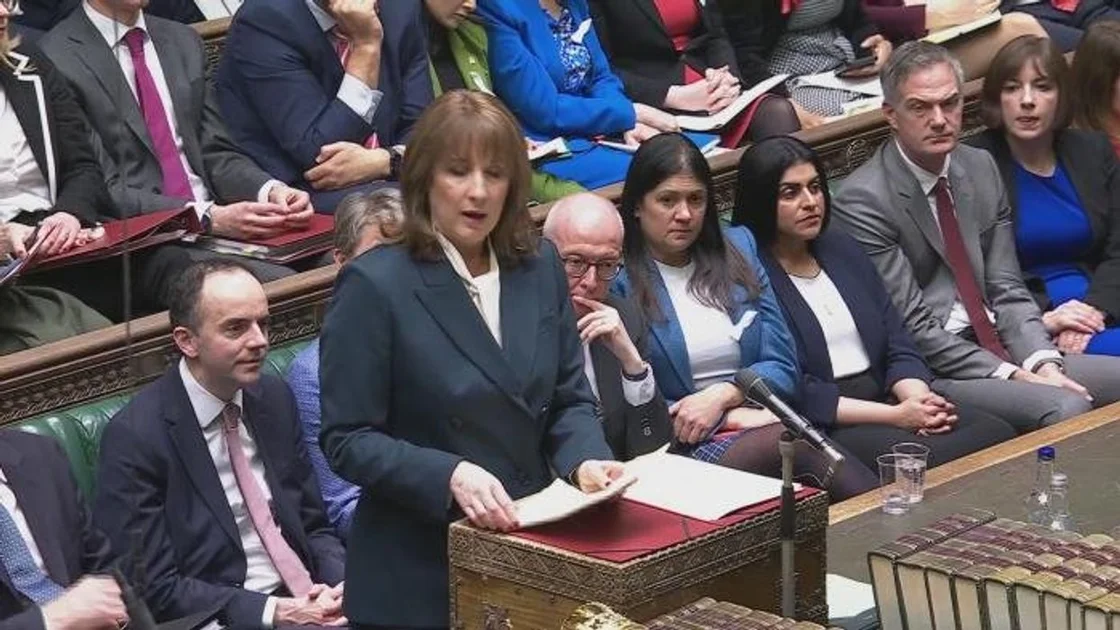
Chancellor Rachel Reeves has confirmed that a new pay-per-mile tax will be introduced for electric vehicle (EV) and plug-in hybrid owners starting in April 2028. The policy, detailed in a Treasury announcement ahead of the expected change of leadership, sets a rate of 3p per mile for fully electric cars and 1.5p per mile for plug-in hybrids.
For the average UK driver covering 8,000 miles annually, this means an additional £240 per year on top of standard vehicle excise duty. Heavier users — including commuters and those in rural areas — could see bills exceeding £300 per year. The tax will be uprated in line with CPI inflation from 2029–2030.
According to a recent YouGov poll, just 43% of respondents supported the plan, while 34% opposed it. An Express.co.uk survey of 21,000 readers found 86.73% wanted the mileage system scrapped entirely. The Society of Motor Manufacturers and Traders (SMMT) called the move “entirely the wrong measure at the wrong time,” warning it could become a “strategic mistake” for the UK’s electric vehicle transition.
Why the Tax Is Being Introduced — And the Political Storm It Has Caused
The pay-per-mile levy is designed to replace declining fuel duty revenues as more drivers switch to electric cars. Currently, petrol and diesel drivers pay fuel duty based on how far they travel — effectively a per-mile tax already. As EV adoption grows, the Treasury faces a growing fiscal gap. The Office for Budget Responsibility has predicted that the new tax could cut EV sales by 440,000 units, raising concerns about the government’s ability to meet its 2030 zero-emission vehicle (ZEV) mandate targets.
The confirmation comes at a turbulent political moment. Prime Minister Keir Starmer is expected to leave office on July 20, with Labour leadership contender Andy Burnham widely predicted to take over. Burnham, the Greater Manchester mayor, has been urged by motoring groups and Conservative opponents to scrap the tax on his first day in No 10.
In a strongly worded editorial, the Express called the £300 annual hit for high-mileage drivers “a direct attack on those who need to use the roads.” Simon England, founder of ALA Insurance, warned: “If EV drivers are expected to pay the same, or more, than petrol and diesel drivers, then that’s a legitimate barrier that will deter thousands of road users from switching.”
Broader Implications: Rising Driving Costs and the Future of EV Adoption
The pay-per-mile tax is one of several cost increases facing motorists in 2026. On July 1, the IRS raised the standard business mileage rate to 76 cents per mile for the second half of the year, reflecting rising fuel costs. While that change applies in the US, it underscores a global trend: driving is becoming more expensive, and governments are looking for new ways to tax road use.
In the UK, critics argue that the timing of the EV tax is counterproductive. Manufacturers are already struggling to meet ZEV mandate quotas, and the new levy could push consumers back toward petrol and diesel cars — or delay EV purchases entirely. The Treasury counters that the policy is fair, noting that EVs currently pay no road tax and that fuel duty on petrol represents a far higher per-mile cost for traditional vehicles.
Burnham has not yet committed to reversing the plan, but the pressure is mounting. Labour MPs in car-dependent constituencies have voiced alarm, and the upcoming leadership transition could provide a window to renegotiate the policy. If Burnham does choose to scrap it, he will need to find alternative revenue — potentially from higher vehicle taxes or new tolling schemes — to plug the gap.
As the political landscape shifts, drivers and industry leaders will be watching closely. The pay-per-mile decision may well define the next government’s approach to green taxation and the cost of living. For now, millions of motorists face a future where every mile comes with a price tag.
Comments