
Hantavirus Outbreak on Cruise Ship: What We Know About the Deadly Andes Strain
Three Dead, Passengers Evacuated as Andes Virus Hits Atlantic Cruise
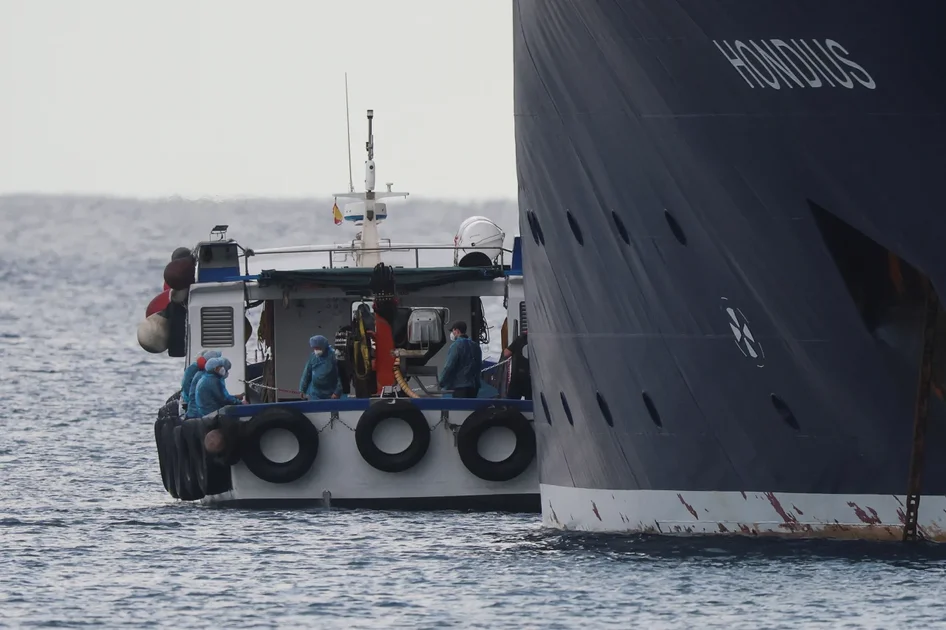
A rare and deadly outbreak of hantavirus has sent alarm through global health networks after the Dutch-flagged cruise ship MV Hondius became the epicenter of a multi-country cluster of Andes virus infections. As of May 10, 2026, the outbreak has resulted in three deaths among 147 passengers and crew, with seven total cases reported—two confirmed and five suspected, according to the World Health Organization (WHO) and the U.S. Centers for Disease Control and Prevention (CDC).
The ship, which departed from Ushuaia, Argentina, on April 1, 2026, and traveled across the South Atlantic—including stops in Antarctica, South Georgia Island, Tristan da Cunha, Saint Helena, and Ascension Island—arrived at the Spanish island of Tenerife in the Canary Islands on Sunday, May 10, for an emergency evacuation. Seventeen American passengers are expected to disembark and be escorted by CDC officials on a charter flight back to the United States, where they will be monitored at a specialized facility in Nebraska.
CDC issued a Health Alert Network advisory on May 8, warning clinicians and health departments to be vigilant for imported cases, though the agency emphasized that the risk of broad spread within the U.S. remains extremely low. The WHO has confirmed that the responsible pathogen is the Andes virus, a South American strain of hantavirus known for its potential for person-to-person transmission—a rare characteristic among hantaviruses.
What Is Hantavirus and How Does the Andes Strain Spread?
Hantavirus Pulmonary Syndrome: A Severe Respiratory Threat
Hantaviruses are a family of viruses primarily transmitted from rodents to humans. They cause two main forms of severe illness: hantavirus pulmonary syndrome (HPS), which attacks the lungs, and hemorrhagic fever with renal syndrome (HFRS), which targets the kidneys. The Andes virus, which is driving the current outbreak, leads to HPS—a disease characterized by fever, muscle aches, and rapid progression to respiratory failure. The CDC notes that HPS can be fatal, with case fatality rates ranging from 30% to 50% depending on the strain and region.
Transmission typically occurs when people inhale aerosolized particles from rodent urine, droppings, or saliva. "Rats jump on ships or are carried onto them in cargo, they poop and pee, air currents aerosolize it, carry it, and it can get in the lungs, causing serious pulmonary illness," explained John Lednicky, a research professor at the University of Florida College of Public Health and Health Professions, in a recent interview.
Person-to-Person Spread: The Unusual Danger of Andes Virus
Unlike most hantaviruses, the Andes strain has been documented to spread from person to person, although such transmission is rare and requires close contact. Safder Ganaie, an assistant professor at the University of Florida College of Medicine, told Medical Xpress that "there is no concrete evidence that there is human-to-human transmission for most hantaviruses," adding that Andes virus "is not nearly as airborne as influenza or other common respiratory viruses." This characteristic, however, has put health authorities on heightened alert, as it complicates containment efforts. The suspected source of the outbreak is contaminated rodent waste during a shore excursion in Argentina, the ship's starting point.
Why This Outbreak Matters and What It Means Going Forward
Global Health Authorities Race to Contain a Rare Threat
The rapid international response—involving the CDC, WHO, Spanish health authorities, and multiple national governments—underscores the seriousness of the situation. The MV Hondius carried passengers from 23 countries, creating a complex repatriation and monitoring challenge. WHO has initiated contact tracing efforts to track potential exposures, including on aircraft used by infected passengers.
While the immediate risk to the general public remains low, the outbreak serves as a stark reminder of how quickly zoonotic diseases—those that jump from animals to humans—can emerge in global travel networks. The CDC has deployed a team to assess exposure risk among U.S. passengers and is coordinating with international partners to align public health guidance.
No Vaccine, but Supportive Care Is Key
There is currently no specific vaccine or antiviral treatment for hantavirus infection. Medical care focuses on supportive measures, such as oxygen therapy and mechanical ventilation for severe respiratory distress. Early recognition and diagnosis are critical: clinicians are urged to test for hantavirus in individuals with compatible symptoms and a history of rodent exposure. The CDC's Viral Special Pathogens Branch is available for consultation and diagnostic testing by calling the agency's Emergency Operations Center.
Broader Implications for Travel and Public Health
The outbreak raises questions about biosecurity on expedition cruise ships, which often visit remote, wildlife-rich areas where rodent populations can be high. While the Andes strain is primarily found in South America, the global nature of modern travel means that no region is entirely insulated. As scientists continue to study hantaviruses at the cellular level, the current cluster reinforces the importance of robust surveillance and rapid international cooperation.
For now, the immediate focus remains on safely repatriating passengers, monitoring for new cases, and preventing further spread. The CDC stresses that the overall risk to the American public is "extremely low," but the situation is evolving. As with many infectious disease events, the key lesson may be that in an interconnected world, a single ship can carry far more than passengers and cargo.
For a broader perspective on global health risks, see our coverage of Putin Signals War’s End as Ceasefire Collapses Amid Mutual Accusations.
Comments