
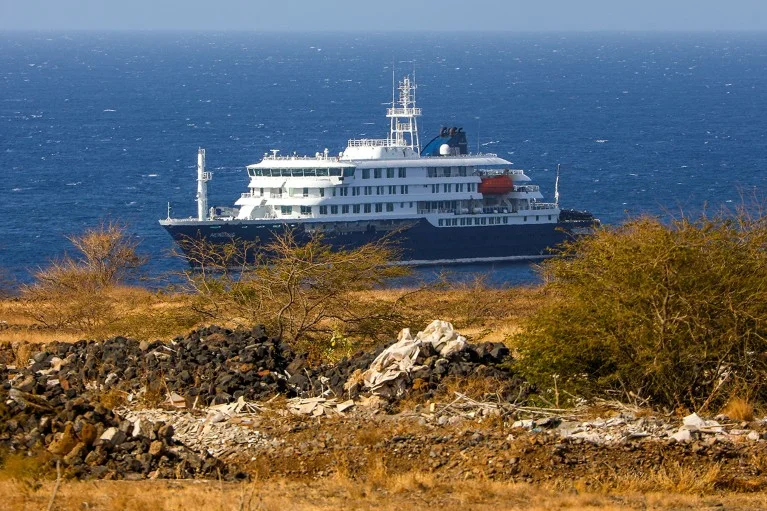
Three Dead, Three Evacuated as Andes Hantavirus Spreads on Cruise Ship
Three passengers have died and three more were evacuated from the polar cruise ship MV Hondius after a rare and deadly outbreak of Andes hantavirus, the World Health Organization (WHO) confirmed Wednesday. The ship, carrying nearly 150 people, has been marooned off the coast of Cape Verde since the outbreak was detected last week.
Two of the deceased were a Dutch couple, and a third passenger died on May 2. A British national remains in intensive care in a South African hospital. Swiss authorities also confirmed a case in Zurich: a male passenger who traveled on the ship is being treated at a specialized hospital there. Health officials say there is no danger to the broader population from that case.
On Wednesday, three patients—a Dutch person, a German and a Briton—were medically evacuated to the Netherlands. The Dutch Foreign Ministry said two of them presented acute symptoms, while the third was closely linked to the German passenger who died on May 2.
What Is the Andes Strain of Hantavirus?
Hantaviruses are a family of viruses primarily carried by rodents. The strain responsible for the MV Hondius outbreak is the Andes orthohantavirus, found mainly in South America and carried by the pygmy rice rat. According to the WHO, this particular strain is one of the few known to spread from person to person in rare instances.
Most hantaviruses infect humans through inhalation of dust contaminated with rodent urine, droppings or saliva. Agricultural workers and people living in rural areas are at higher risk. But the Andes strain has demonstrated the ability to transmit between close human contacts, a phenomenon scientists are racing to understand.
Human-to-Human Transmission: A Rare and Frightening Twist
Maria Van Kerkhove, an American epidemiologist and technical adviser to the WHO, said at a briefing Tuesday that most infected passengers likely contracted the virus before boarding the ship. However, she acknowledged that some human-to-human transmission may have occurred among close contacts.
“Our assumption is they were infected off the boat and then joined the cruise,” Van Kerkhove said. “However, we do believe that there may be some human-to-human transmission that’s happening among the really close contacts, the husband and wife, people who’ve shared cabins, etc.”
Of nearly 150 passengers onboard, eight cases have been identified, with three confirmed by laboratory testing. Three people are reporting mild symptoms. The incubation period for hantavirus can range from two to eight weeks, meaning more cases could still emerge.
Health officials and the cruise operator, Oceanwide Expeditions, have not yet said when remaining passengers will be allowed to leave the ship. The European Center for Disease Prevention and Control said non-critical patients will be taken to Spain’s Canary Islands for examination and treatment before returning home.
Why This Outbreak Matters
Outbreaks of hantavirus are extremely rare, especially in confined settings like cruise ships. The virus typically does not spread easily between people, unlike flu or COVID-19. The confirmed involvement of the Andes strain, which has a documented history of rare human-to-human transmission, elevates the public health concern.
The last known major outbreak of Andes hantavirus occurred in Argentina and Chile in 2018-2019, where person-to-person transmission was documented among healthcare workers and family members. The current outbreak on the MV Hondius shows that this risk, while small, remains real in settings where people are in close, sustained contact.
Broader Implications for Cruise Travel and Public Health
The MV Hondius outbreak poses fresh questions for the cruise industry, still recovering from the devastating disruptions of COVID-19. Cruise ships have long been vulnerable to the rapid spread of respiratory viruses, but hantavirus adds a new dimension: a rodent-borne disease that can occasionally transmit between people without aerosolized droplets.
Passenger Kasem Hato told Reuters that days onboard had been “close to normal,” with the captain providing regular updates and advising people to limit close contact and use hand sanitizer. But the incident highlights the challenges of managing an infectious disease outbreak in an isolated maritime environment.
For health authorities worldwide, this outbreak serves as a reminder that rare zoonotic diseases can emerge in unexpected places. The WHO has stressed that the risk to the general public remains low, but it continues to assist countries with contact tracing and monitoring.
As the ship heads toward the Canary Islands and evacuated patients receive specialized care in Europe, scientists are closely analyzing samples to better understand how the Andes strain spreads—and how to stop it.
In the meantime, the families of the three deceased passengers mourn a tragedy that unfolded far from home, in the middle of the Atlantic Ocean, on what should have been a voyage of discovery.
For more on this developing story and other health news, check out the latest updates on the Nationwide Fairer Share Payment 2026 and other breaking stories.
Comments