
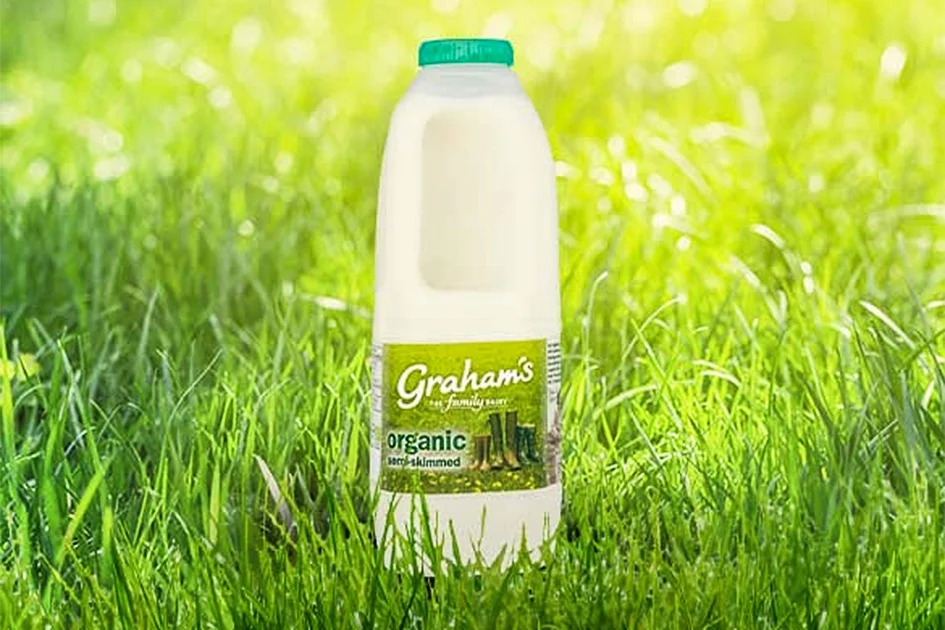
Grahams Family Dairy Issues Urgent Milk Recall Over Antibiotics Contamination
The Food Standards Agency (FSA) has issued an urgent warning for consumers in England to avoid drinking certain batches of Graham's Family Dairy semi-skimmed milk after veterinary medicines, including the antibiotic penicillin, were detected in the product. The recall, announced late on July 22 and updated on July 23, 2026, affects 1-pint, 1-litre, and 2-litre bottles with a use-by date of July 31, 2026. Graham's Family Dairy, Scotland's largest independent dairy company, confirmed that no other products or use-by dates are affected.
The FSA alert describes the contamination as a trace level of antibiotics that could pose a health risk primarily to individuals with an allergy to penicillin. The agency is advising customers who have purchased the affected milk to return it to the store where they bought it for a full refund. Point-of-sale notices are being displayed in retail outlets across England, including major supermarkets such as Asda, Tesco, Morrisons, Sainsbury's, Home Bargains, and SPAR.
What Products Are Affected?
The recall covers three specific product lines:
- Graham's Family Dairy 1 Pint Semi-Skimmed Milk (Use By 31st July)
- Graham's Family Dairy 1 Litre Semi-Skimmed Milk (Use By 31st July)
- Graham's Family Dairy 2 Litre Semi-Skimmed Milk (Use By 31st July)
The company stressed that the recall is a precautionary measure, as the contamination levels are low. In a statement, Graham's Family Dairy said: "At Grahams Family Dairy we believe that the quality of our products and the safety of our consumers is paramount. Due to this, we are asking our customers not to consume but to return the following products."
Why This Milk Recall Matters: Health Risks and Consumer Impact
The presence of veterinary medicines in milk is considered a serious food safety issue because it can trigger allergic reactions in sensitive individuals. Penicillin, one of the most commonly used antibiotics in livestock, is a known allergen. For people with a penicillin allergy, even trace amounts can cause symptoms ranging from mild rashes and hives to severe anaphylaxis, a life-threatening condition that requires immediate medical attention.
The FSA emphasized that the product "is not safe to consume" and that "the presence of veterinary medicines, including antibiotics in the product may make it unsafe to consume and may be a possible health risk for anyone with an allergy to antibiotics." This warning applies only to the specific batches listed. Consumers without known antibiotic allergies are not considered at risk, but the FSA still advises returning the product as a precaution.
The Scope of the Recall
Graham's Family Dairy supplies its products to a wide network of retailers across the UK, including Tesco, Asda, Morrisons, Sainsbury's, Home Bargains, and SPAR. Given the brand's presence in thousands of stores, the recall has the potential to affect a significant number of households. The dairy is based in Bridge of Allan, Stirlingshire, and is known for its farm-fresh milk and dairy products that are stocked nationwide.
The recall is limited to England, as confirmed by the FSA. However, consumers in Scotland, Wales, or Northern Ireland who may have purchased milk while in England or ordered online are also advised to check their refrigerator. The FSA is working with the company to ensure that all affected stock is removed from shelves and that customers are informed.
Behind the Contamination: Veterinary Medicines in the Food Chain
This incident highlights a persistent challenge in modern dairy farming: the potential for veterinary drug residues to enter the milk supply. Antibiotics like penicillin are commonly used to treat bacterial infections in dairy cows, such as mastitis. Strict withdrawal periods—the time after the last dose of medication before milk can be sold—are legally enforced to prevent residues from appearing in the final product. When these protocols are not followed correctly, contamination can occur.
In this case, Graham's Family Dairy stated that there is a "small risk a trace level of antibiotics may be present in the milk." The company did not specify the exact source of the contamination, but such incidents usually stem from a lapse in on-farm practices, such as failing to properly segregate treated cows or miscalculating withdrawal times. The FSA and the dairy are likely investigating the root cause to prevent future occurrences.
Regulatory Response and Industry Standards
The FSA's recall process is part of a robust food safety system in the UK. When a potential risk is identified, the agency works with the producer to issue a recall notice, display point-of-sale alerts, and inform consumers through media channels. The speed of this response—from detection to public warning within a day—reflects the seriousness with which such incidents are treated.
Graham's Family Dairy has expressed regret for the inconvenience and reiterated its commitment to quality and safety. The company's recall notice urged customers: "If you have purchased any of these products, please do not consume. Instead, please return the milk to the store purchased from for refund. We apologise for this issue and would like to reassure our customers no other Grahams Family Dairies products or Use By Dates are affected."
Similar Recalls: A Growing Pattern in Food Safety
This milk recall is part of a broader trend of food safety alerts in recent months. In the UK and globally, foodborne illness outbreaks and contamination incidents have prompted increased vigilance. For example, earlier in 2026, a Garlic Powder Recall: Dollarama Shoppers Urged to Check Pantries Over Bacillus Risk highlighted the risks of bacterial contamination in spices. Similarly, the Paignton Station Fire: Teens Arrested as Arson Probe Targets Devastating Blaze incident drew attention to the need for robust emergency responses.
While these events are unrelated, they underscore the importance of effective recall systems and consumer awareness. The FSA's quick action in the Graham's case aims to minimize public health risks and maintain trust in the food supply chain.
What Consumers Should Do Next
The FSA and Graham's Family Dairy advise the following steps for anyone who has purchased the affected milk:
- Check the packaging for the product name and use-by date (July 31, 2026).
- Do not consume the milk, even if it appears and smells normal.
- Return the product to the store where it was purchased for a full refund (receipt may not be required).
- If you have any symptoms after consuming the milk and have a known penicillin allergy, seek medical advice.
For further information, customers can visit Graham's Family Dairy's website at www.grahamsfamilydairy.com. The FSA also updates its website with recall details.
Broader Implications: Antibiotic Use in Agriculture and Consumer Trust
This recall raises larger questions about the use of antibiotics in livestock and its impact on public health. The World Health Organization (WHO) and other health bodies have long warned about the overuse of antibiotics in animal farming, which contributes to antimicrobial resistance (AMR)—a global health crisis that makes infections harder to treat. While this incident involves trace residues rather than full-blown resistance, it serves as a reminder of the delicate balance between treating sick animals and ensuring food safety.
Consumer trust in dairy products is also at stake. For families and individuals who rely on milk as a staple, such recalls can cause concern about the overall safety of their food. Graham's Family Dairy, a brand built on a reputation for quality, will need to communicate transparently about the steps it is taking to prevent a recurrence. The company's apology and recall notice are a good start, but long-term confidence will depend on rigorous on-farm protocols and independent audits.
Looking Ahead
As the investigation continues, the FSA will likely release more details about the source of the contamination and whether any enforcement actions are necessary. For now, the immediate priority is to ensure that all affected milk is removed from circulation. Consumers are encouraged to stay informed by checking recall alerts and to report any adverse reactions to the relevant authorities.
The Graham's milk recall is a stark reminder that even the most reputable producers can face food safety challenges. It also demonstrates the effectiveness of the UK's food safety net, where rapid detection and communication help protect public health. As the industry moves forward, the focus will remain on minimizing risks and maintaining the high standards that consumers expect.
Comments