
Garlic Powder Recall: Dollarama Shoppers Urged to Check Pantries Over Bacillus Risk
The Canadian Food Inspection Agency (CFIA) has issued a nationwide recall for Heavenly Spices brand garlic powder sold exclusively at Dollarama stores, citing potential contamination with Bacillus cereus, a bacterium that can cause foodborne illness. The recall, classified as a Class 2 event, affects 70-gram containers distributed both in-store and online across Canada.
The recall notice, published July 15, 2026, and dated July 14, 2026, warns consumers to immediately stop using, selling, serving, or distributing the affected product. Dollarama, identified as the recalling firm, has instructed customers to discard the garlic powder or contact its customer service department to receive a $2.00 e-gift card as compensation.
Health officials are treating the recall with particular caution because garlic powder is a shelf-stable seasoning used in small amounts across many meals, often without a final high-heat cooking step. The CFIA has classified the recall as Class 2, meaning there is a moderate risk that consuming the product could cause short-term or non-life-threatening health effects.
What Was Recalled
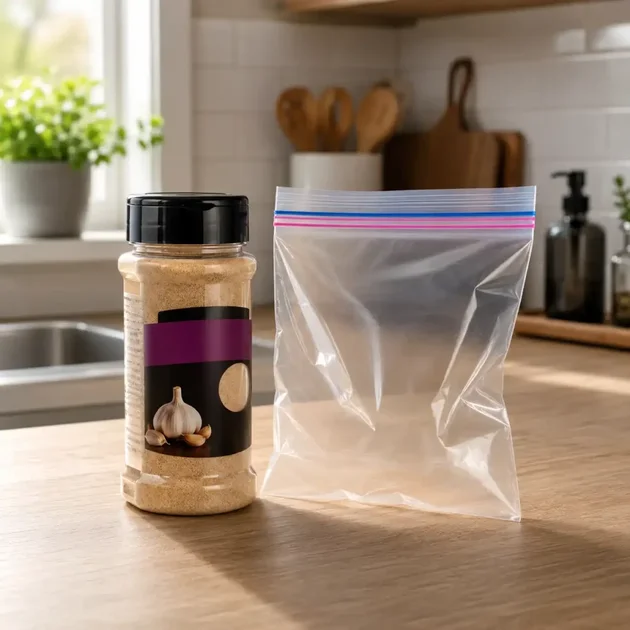
The recall covers Heavenly Spices brand Garlic Powder sold in 70-gram containers at Dollarama stores nationwide and through the retailer's online platform. Consumers are advised to check their kitchen cupboards carefully, including any garlic powder that may have been decanted into a separate spice jar or unmarked container.
The product is widely used as a pantry staple across Canadian households, making the recall particularly significant for Dollarama shoppers who purchased the seasoning for everyday cooking.
Why the Garlic Powder Was Recalled: Bacillus Cereus Explained
The recall was triggered by concerns that the garlic powder may be contaminated with Bacillus cereus, a bacterium that can cause foodborne illness. According to the U.S. Food and Drug Administration (FDA), Bacillus cereus infection is typically associated with symptoms such as nausea, vomiting, abdominal cramps, and watery diarrhea. Symptoms generally last between 24 and 48 hours.
The bacterium is more commonly linked to improperly stored cooked foods like rice, meat, stews, gravies, and vanilla sauce, making its presence in a dried spice product notable. Because garlic powder is often used raw or added to dishes after cooking, there is minimal opportunity to neutralize the bacteria through heat.
Health officials warn that affected product could remain undetected in household pantries for some time, as consumers may not immediately associate their symptoms with a dry seasoning. The CFIA has urged consumers not to attempt to cook the powder at high temperatures to neutralize the risk, as home cooking methods may not reliably eliminate Bacillus cereus spores.
Dollarama's Response and Customer Compensation
Dollarama, the recalling firm named in the CFIA notice, has directed customers not to use, sell, serve, or distribute the affected garlic powder. A company spokesperson said customers can contact Dollarama Customer Service directly to receive a $2.00 e-gift card as a replacement for the recalled product.
The company has not disclosed the total number of units distributed or the specific production batches affected. However, given Dollarama's extensive retail network across Canada, the recall is expected to impact a significant number of households.
Broader Food Safety Context: A Surge of Recalls
The garlic powder recall adds to a recent wave of food safety alerts making headlines in North America. Earlier the same week, General Mills recalled more than 735,000 packages of Pillsbury bread products over concerns they may contain glass fragments. Meanwhile, Taylor Farms voluntarily removed all iceberg lettuce sourced from central Mexico from the U.S. after the FDA identified the region as the likely source of a Cyclospora outbreak linked to shredded lettuce served at certain Taco Bell restaurants. The outbreak has sickened people in at least 34 states, though no other Taylor Fresh Foods products were affected.
This clustering of recalls highlights ongoing vulnerabilities in the food supply chain, particularly for imported and shelf-stable products. The garlic powder recall is notable because it involves a dried spice, which is generally considered low-risk for bacterial contamination. Food safety experts note that Bacillus cereus can survive in dry environments as spores, which can later germinate if the product is rehydrated or stored improperly.
The Stakes for Consumers and Retailers
For consumers, the recall underscores the importance of monitoring food safety alerts and checking pantry items regularly. Many households may have purchased the garlic powder weeks or months ago and may not immediately recognize the recall notice. The CFIA has urged consumers to share the recall information with friends and family members who may have purchased the product.
For retailers, the recall raises questions about supply chain quality control and testing protocols for imported spices. Dollarama, which sources products from various international suppliers, faces reputational risk if contaminated products slip through its screening processes. The company has not commented on whether it will change its sourcing or testing procedures following this incident.
What Affected Consumers Should Do Next
Health officials have provided clear instructions for consumers who purchased Heavenly Spices brand Garlic Powder from Dollarama:
- Stop using any Heavenly Spices brand Garlic Powder purchased in 70-gram containers from Dollarama, in-store or online.
- Check pantries carefully, including any garlic powder that may have been decanted into a separate spice jar or unmarked container.
- Discard or return the product rather than attempting to cook it at a high enough temperature to neutralize the risk.
- Contact Dollarama Customer Service to receive a $2.00 e-gift card as compensation.
Consumers who experience symptoms such as nausea, vomiting, abdominal cramps, or watery diarrhea after consuming the product should seek medical attention and report the incident to their local public health authority.
Broader Implications for Food Safety and Consumer Trust
The Heavenly Spices garlic powder recall is part of a broader trend of increasing food safety scrutiny in North America. In recent years, regulatory agencies have issued more frequent recalls for a wider range of products, from fresh produce to packaged goods. This shift reflects improved testing capabilities, better surveillance systems, and heightened public awareness of foodborne illness risks.
For the spice industry specifically, the recall highlights challenges in ensuring the safety of dried products. Unlike fresh foods, which are typically refrigerated and have short shelf lives, dried spices can remain in pantries for months or even years, meaning contaminated products may persist in households long after a recall is issued.
Consumer Behavior Trends
The recall may also influence consumer behavior, particularly among budget-conscious shoppers who rely on discount retailers like Dollarama for pantry staples. Some consumers may become more cautious about purchasing generic or discount-brand spices, while others may seek out products with more transparent sourcing and testing protocols.
However, given the cost pressures many households face, it remains unclear whether the recall will significantly shift purchasing patterns. Dollarama has not reported any decline in spice sales following the recall announcement.
Industry Response and Regulatory Action
The CFIA has not announced any additional enforcement actions beyond the recall notice, but the agency may conduct follow-up inspections of Dollarama's distribution centers and the supplier's facilities. If further contamination is found, the recall could expand to include other products from the same manufacturer.
The garlic powder recall also raises questions about international spice trade regulations. Canada imports a significant portion of its spices from countries with varying food safety standards, making it difficult for regulators to monitor all products entering the market. The CFIA relies on importers and distributors to conduct their own testing and quality control, but this system is only as effective as the weakest link in the supply chain.
The Role of Media in Food Safety Alerts
The rapid spread of news about the garlic powder recall, amplified by major outlets like Fox Business, The Independent, and City News, demonstrates the critical role media plays in protecting public health. By covering recalls promptly and providing clear instructions for consumers, journalists help ensure that affected products are removed from circulation quickly.
In this case, the recall generated significant search interest, with dozens of outlets publishing articles within days of the CFIA notice. The coverage extended beyond Canadian media, reaching U.S. audiences who may have purchased the product while traveling or through online orders.
Long-Term Trends in Food Safety Communication
The garlic powder recall is also a case study in how food safety information spreads in the digital age. Social media platforms, news aggregators, and search engines all play a role in informing consumers, but the speed and accuracy of information can vary. Health officials are increasingly using digital tools to issue alerts, but many consumers still rely on traditional media outlets for reliable information.
For journalists covering food safety, the challenge is balancing the need for timely reporting with the risk of causing unnecessary panic. In this case, the Class 2 classification suggests the risk is moderate, but the widespread distribution of the product warrants serious attention.
Conclusion: What This Means Going Forward
The Heavenly Spices garlic powder recall serves as a reminder that food safety risks can emerge in unexpected places, even in shelf-stable pantry staples. For Dollarama shoppers, the immediate priority is to check their kitchens and dispose of any affected product. For the broader food industry, the recall highlights the need for rigorous testing and quality control throughout the supply chain.
As regulators continue to refine their surveillance systems and consumers become more aware of foodborne illness risks, recalls like this one are likely to become more common. The key is to ensure that warnings reach the right people quickly and that affected products are removed from circulation before they cause harm.
In the meantime, consumers are advised to stay informed about food safety alerts and to take immediate action when a recall affects products in their homes. A few minutes spent checking pantry labels could prevent an unpleasant bout of food poisoning.
This article was updated on July 21, 2026, to include the latest information from the CFIA and Dollarama.
Comments