
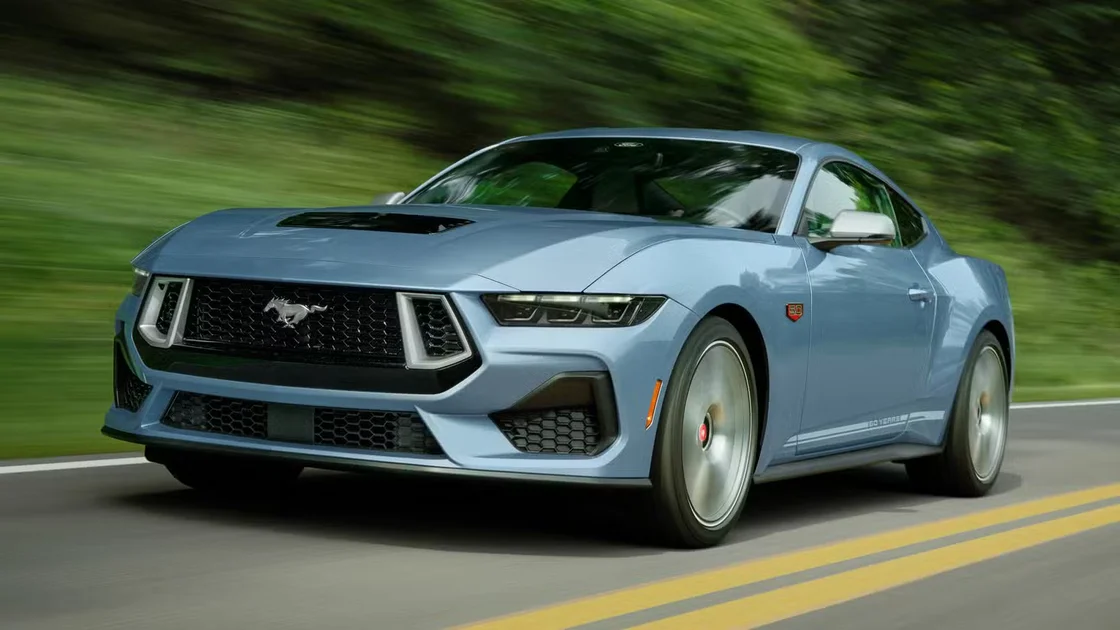
Ford Recalls 148,663 Mustangs Over Wiring Defect That Can Cause Sudden Power Loss
Ford Motor Company has issued a major safety recall affecting nearly 150,000 Mustang vehicles in the U.S. due to a wiring defect that can lead to a sudden loss of drive power, increasing the risk of a crash. The recall, announced by the National Highway Traffic Safety Administration (NHTSA) on Aug. 25, covers 148,663 Mustangs from the 2024-2026 model years, specifically those produced between Sept. 7, 2022 and June 9, 2026.
According to federal regulators, the engine compartment wiring harness ground terminals may fracture, which can cause the vehicle to lose power while driving, as well as disrupt other essential functions such as headlights, windshield wipers, air conditioning, and the engine cooling fan. The NHTSA noted that about 1% of the affected vehicles are expected to have the defect.
Ford will replace the engine compartment wiring harness ground terminals free of charge at any Ford or Lincoln dealer. Owner notification letters are being mailed between Aug. 31 and Sept. 4, with additional letters to follow once a remedy is available, expected around March 2027. The recall numbers are NHTSA 26V547 and Ford 26C40.
Why This Matters on the Road
The defect stems from the ground eyelets in the wiring harness, which may crack over time due to vibration and heat shrink adhesive that causes bending. If an eyelet breaks, the car could stall or fail to accelerate, which is especially dangerous during highway driving or in traffic. Additionally, an inoperable headlamp reduces visibility and makes the vehicle less visible to others, while a failing windshield washing system compromises visibility in bad weather.
Owners are urged to contact their dealers promptly to schedule the free repair. Until the fix is applied, drivers should be alert to any warning signs such as flickering lights, intermittent wiper failure, or unusual engine behavior, and should pull over safely if such symptoms occur.
The Broader Recall Context: Two Power-Loss Recalls in One Week
This Mustang recall comes as part of a broader wave of recalls for Ford, as the company also announced a separate recall affecting 10,001 vehicles from the 2026 model year, including the Bronco, Bronco Sport, Explorer, Ranger, and Mustang. That recall relates to possible piston failure in the 2.3-liter EcoBoost engine, which could also lead to a loss of drive power.
According to documents filed with the NHTSA, the piston issue is a manufacturing defect caused by a loose nut on the supplier's machining tool, which allowed the tool to periodically strike the nickel-resistant insert in the pistons, creating a crater-like crack. This could lead to engine misfires, unusual noises, or even catastrophic engine failure. Ford has reported 22 engine failures at its plants and two in the field.
For the affected vehicles, Ford will inspect the pistons and replace the entire engine long block for those that fail the inspection. This second recall adds to the complexity of Ford's quality challenges, as the company works to address multiple safety issues across its lineup.
Ford's Recent Recall History and Quality Push
These recalls come at a sensitive time for Ford, which has been working to improve quality control after several high-profile recalls in recent years. In 2025, Ford recalled over 500,000 vehicles for various issues, including battery failures and brake problems. The company has invested heavily in new quality processes and testing, but recalls remain a persistent issue for the automaker.
The Big Three automaker has also been navigating a changing market environment, with rising gas prices and economic uncertainty affecting consumer demand, as highlighted in recent interviews with Ford's CEO. The company is also dealing with increased competition from electric vehicle makers, including Chinese brands entering the North American market.
What This Means for Ford and Its Drivers
This recall underscores the importance of transparent communication between automakers, regulators, and consumers. For drivers, the key takeaway is to act quickly if they own an affected Mustang—checking the NHTSA website or contacting their dealer ensures they are not operating a vehicle with a known safety defect.
From a broader perspective, these recalls highlight the growing complexity of modern vehicles, where a single electrical component can affect critical systems like power and lighting. They also reinforce the vital role of the NHTSA in overseeing safety and holding manufacturers accountable.
For Ford, the recall is a reminder that quality control remains a competitive advantage and a matter of public trust. As the company pushes forward with new models and technologies, ensuring the reliability of its existing lineup is paramount, not only for regulatory compliance but for maintaining the loyalty of its customers.
Owners of affected vehicles can expect more information from Ford in the coming weeks, and the company has set up resources to check recall status via the NHTSA website. In the meantime, staying informed and responsive to recall notices is the best way to avoid potential hazards on the road.
This article was written based on official recall notices and reported information. For more on automotive safety and other top stories, check out our coverage of the 2026 flu, COVID, and RSV vaccine guide or the latest on Hurricane Lowell.
Comments