
Florida Couple Reaches Custody Agreement in IVF Embryo Mix-Up Case
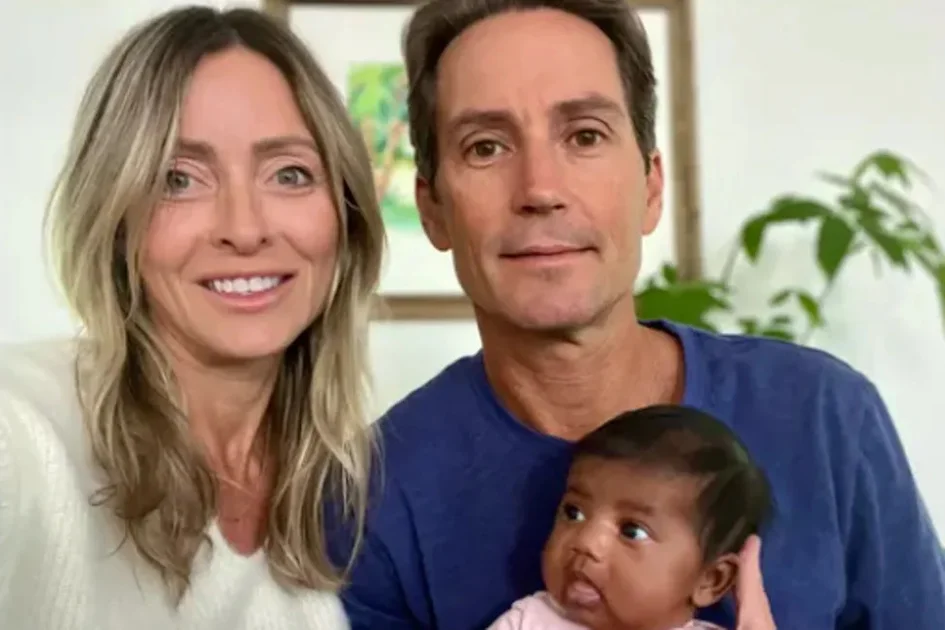
In a landmark resolution to a deeply unusual and emotionally fraught case, a Florida couple has reached a custody agreement ensuring they will retain permanent custody of their infant daughter, who was born following an embryo mix-up at a fertility clinic. The agreement, filed in court on Friday, June 12, 2026, marks a significant turning point in a legal saga that began when Tiffany Score and Steven Mills learned their newborn was not genetically related to either of them.
The couple, who are both white, had undergone in vitro fertilization (IVF) at the Fertility Center of Orlando in Longwood, Florida. After giving birth in December 2025, they began to suspect something was wrong because their daughter, named Shea, "displayed the physical appearance of a racially non-Caucasian child," as stated in their January lawsuit. Genetic testing confirmed that Shea was 100% South Asian and unrelated to either parent.
According to a court filing on Friday, the couple and the biological parents, identified only as "Patient 004" in court documents, have "come to a mutually devised custody agreement" that recognizes Score and Mills as the "permanent custodial parents of their daughter." The biological parents, whose identities remain confidential, stated through their attorney that they "intend to remain a part of this child’s life, while recognizing the impossible situation that both families have been placed in, through no fault of their own."
Circuit Court Judge Margaret Schreiber expressed support for the resolution during a hearing on Monday, stating, "I’m glad the parties have reached an agreement while this child is relatively young." The specific terms of the custody agreement have not been disclosed.
The Unfolding of a Rare and Distressing IVF Error
The case first gained widespread attention in January 2026 when Score and Mills filed a lawsuit against the Fertility Center of Orlando and its lead reproductive endocrinologist. In their complaint, the couple detailed how they had turned to IVF after struggling with infertility. During the process, multiple embryos were created and stored at the clinic. One embryo resulted in a miscarriage, another was transported to a new facility, and a third remains unaccounted for.
The couple's attorneys argued that the clinic's error was only discovered because of the visible racial difference between the baby and her parents. "In the absence of the racial disparity that alerted [Mills and Score] to your inexcusable error, the fact and results of the error might be concealed for years or left undiscovered indefinitely," wrote attorney Jack Scarola in a letter to the clinic.
The lawsuit prompted a search for the biological parents, who were identified in April as "Patient 004." At that time, Score and Mills made it clear that, despite the shocking revelation, they had formed an "intensely strong emotional bond" with Shea starting in pregnancy and intended to raise her. They said they would "love and will be this child’s parents forever."
Legal and Ethical Stakes: A Custody Battle with No Precedent
Embryo mix-ups of this nature are extraordinarily rare, with only a handful of documented cases worldwide. The legal and ethical questions raised by the Florida case were profound: Who has the greater claim to a child born from an embryo belonging to another couple—the gestational mother who carried and birthed the child, or the genetic parents who contributed the embryo?
For months, the case teetered on the edge of a contentious custody battle. The biological parents, while remaining anonymous, were represented by attorney Rob Marcereau, who signaled their desire to have a role in Shea's life. The couple who gave birth, meanwhile, insisted they were the child's "parents forever." The resolution—a private agreement rather than a court-ordered decision—sidesteps setting a broad legal precedent but reflects a compassionate compromise between two families thrown together by a catastrophic error.
Legal experts note that such cases often hinge on the best interests of the child. Here, all parties agreed that Shea should remain with Score and Mills, the only parents she has ever known. The biological parents will maintain contact, though the nature of that contact remains confidential. This outcome aligns with the few other known cases, where courts have generally favored the custodial parents who have cared for the child since birth.
"I’m glad the parties have reached an agreement while this child is relatively young," Judge Schreiber said, underscoring the court's interest in avoiding a prolonged legal fight that could unsettle the child's development.
The Fallout for the Fertility Center of Orlando
The Fertility Center of Orlando, the clinic at the center of the controversy, faced immediate repercussions. In late May 2026, the clinic announced it was shuttering its operations permanently, according to a notice on its website. The closure came amid mounting legal pressure from Score and Mills’ lawsuit, as well as other unrelated legal troubles.
The clinic has also been accused of medical malpractice and negligence in a separate case involving a 2024 surrogate pregnancy that resulted in the infant’s death shortly after birth. That case, which is ongoing, further eroded public trust in the facility.
Score and Mills’ lawsuit sought not only to identify Shea’s biological parents but also to compel the clinic to pay for genetic testing of children born to other patients, to determine if any other embryos had been mistakenly implanted. The defendants have not disputed that Shea "should be, but is not, the genetic child" of the plaintiffs, according to court documents.
Broader Implications: The Vulnerabilities of IVF and the Need for Reform
The Florida IVF mix-up case has reignited public debate over the regulation of fertility clinics in the United States, which is far less stringent than in many other developed countries. While IVF has helped millions of families conceive, the industry operates with limited federal oversight, relying largely on voluntary guidelines from professional organizations like the American Society for Reproductive Medicine (ASRM).
Errors like the one in Florida are considered exceptionally rare, but they are also devastating when they occur. The case highlights significant gaps in tracking and labeling embryos, as well as the lack of a centralized database to match embryos to intended parents. The clinic had reportedly used a manual labeling system, which critics say is prone to human error.
Advocates for patient safety are calling for mandatory reporting of all IVF mix-ups and the implementation of electronic tracking systems, such as barcodes or radio-frequency identification (RFID) tags, to ensure embryos are never swapped. Some legal scholars are also pushing for clearer legislation on parentage rights in cases of mistaken embryo transfer, so that families do not have to navigate the legal system without a roadmap.
For the families involved, the impact is intensely personal. The anonymous biological parents now face the lifelong challenge of maintaining a relationship with a child they did not raise, while Score and Mills must navigate the complexities of raising a child who may one day learn the unusual circumstances of her birth. The couple has expressed their commitment to telling Shea the truth in an age-appropriate manner.
What Happens Next? Moving Forward After the Agreement
With the custody agreement now in place, the immediate legal battle is over, but the families’ journey is far from complete. Score and Mills are expected to continue their lawsuit against the Fertility Center of Orlando, seeking damages for the emotional distress, medical expenses, and the cost of the IVF procedure that resulted in the error. The clinic’s closure may complicate the path to compensation, but the couple’s attorneys have indicated they will pursue the clinic’s owners and insurers.
The biological parents, while remaining anonymous, have expressed gratitude that Shea will be raised in a loving home. Their attorney, Rob Marcereau, said in a statement, "They intend to remain a part of this child’s life, while recognizing the impossible situation that both families have been placed in, through no fault of their own."
For the public, the case serves as a stark reminder of the fallibility of even the most advanced medical technologies. As IVF becomes increasingly common, the Florida case may prompt a broader conversation about how to better protect patients and their families from such catastrophic errors.
In the meantime, the story of Shea—a child at the center of a modern medical drama—has a hopeful resolution. She will grow up with the parents who loved her from the moment they saw her, while also knowing the genetic parents who made the difficult decision to remain in her life. As Judge Schreiber noted, the agreement reached with the child still "relatively young" offers the best chance for her to grow up with stability and love.
A Cautionary Tale for the Fertility Industry
The Florida IVF mix-up is not the first such case, but it may be the most consequential in terms of public awareness. Similar incidents have occurred in the past, such as the 2019 case in California where a couple gave birth to a child with the wrong skin color, but such cases rarely reach the courts in this manner. This is also reminiscent of the troubling questions raised in the case of a couple who discovered their embryo was implanted into another woman, but here the outcome has been a cooperative custody agreement.
The closure of the Fertility Center of Orlando sends a clear message: clinics that fail to implement safeguards face not only reputational damage but also financial ruin. The hope among patient advocates is that this tragedy will spur the entire industry to adopt more rigorous protocols, preventing similar errors from occurring in the future.
As for Score and Mills, they remain focused on their daughter. In their first statement after the agreement, they said, "We are grateful that we can now move forward as a family, and we ask for privacy as we continue to raise Shea with love and care." The case has undoubtedly left scars, but it has also demonstrated the resilience of families facing the unthinkable.
For those following the story, the resolution offers a rare moment of closure in a tale filled with uncertainty. While the legal and ethical questions raised by the Florida IVF mix-up will continue to be debated, the most important outcome is clear: a child will grow up in a home where she is wanted, loved, and cherished by two families who, despite the circumstances, have found a way to put her first.
In other news this week, the Senate Republicans Move to Curb Hegseth’s Travel Over Secret Strikes, and Mortgage Rates Spike After Fed, but Iran Deal Holds Hope for Relief.
Comments