
Powerful Storm Triggers Water Rescues and Flooding in Southern California
A powerful storm is drenching Southern California with heavy rain, inundating roads, and triggering multiple water rescues, as evacuation warnings remain in place for several burn scar areas. The storm, which arrived Thursday, has already caused significant disruption across the region, with first responders rescuing drivers trapped in flooded streets and a woman swept into a flood control channel.
In the City of Industry, Los Angeles County firefighters used a helicopter to rescue a woman from a fast-moving flood control channel Thursday morning. Video released by the department showed a firefighter-paramedic being lowered into the water to pull her to safety. This was one of many swift-water rescues conducted by the agency that day. In North Hollywood, a stretch of Vineland Boulevard looked more like a river, with about half a dozen cars submerged and drivers needing rescue. One person was taken to the hospital. Similar scenes played out in Panorama City and near Burbank airport, where vehicles were stranded in deep water.
Evacuation Warnings and Ongoing Threat
Evacuation warnings were initially issued for several burn scars, including the Palisades, Sunset, and Hurst fire areas, as those regions faced potential flooding and debris flows. By early Friday, some warnings were lifted, but officials continue to monitor the situation as the storm moves east into Orange County and the Inland Empire. The National Weather Service had issued a Flood Watch and Wind Advisory ahead of the heavy rainfall, warning of an atmospheric river that could bring prolonged downpours.
Context: A Region on Edge After Historic Fires
The timing of this storm is particularly concerning for Southern California, where recent wildfires have left burn scars that are highly susceptible to debris flows and flash flooding. Burn scars lack vegetation that would normally absorb rainfall, turning heavy downpours into dangerous torrents of mud and debris. This is why evacuation warnings were issued proactively for areas like the Palisades and Sunset fire zones, where memories of past destructive floods remain fresh.
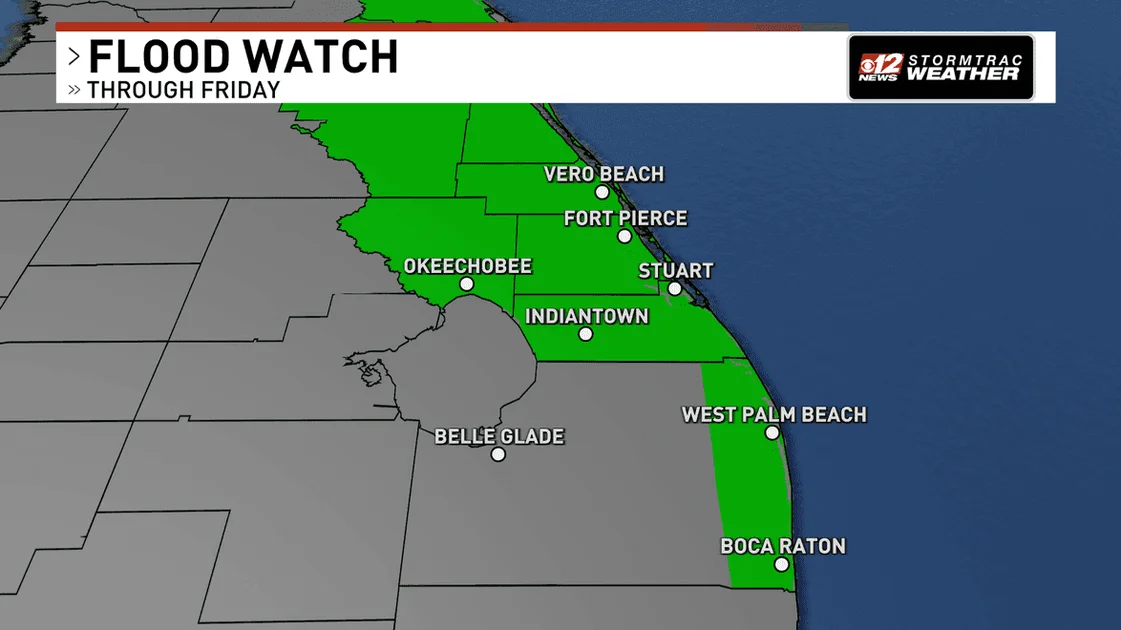
The storm system is part of a broader pattern of extreme weather affecting both coasts of the United States. While Southern California grapples with an atmospheric river, Florida is still recovering from historic flooding earlier this month, with more rain forecast. The National Weather Service's Flood Watch remains in effect for much of South Florida, where a slow-moving storm system dumped over a foot of rain in some areas, closing schools, flooding highways, and even causing a synagogue roof to collapse. Broward County declared a local state of emergency, and both Broward and Miami-Dade public schools were closed Thursday.
Perspective: Climate Extremes and the New Normal
The simultaneous weather crises in California and Florida underscore a growing trend of extreme precipitation events across the United States. In California, the atmospheric river—a long, narrow band of moisture from the Pacific—is delivering intense rainfall that overwhelms urban drainage systems and creates hazardous conditions in areas still recovering from wildfires. In Florida, the persistent onshore winds and repeated rounds of heavy rain have left the ground saturated, meaning even moderate showers can quickly lead to flash flooding.
Meteorologists warn that the flood threat in Florida is far from over. The FOX Forecast Center predicts back-to-back days of a Level 3 out of 4 flash flood threat for portions of the Treasure and Space coasts, with localized additional rainfall totals potentially exceeding 2 feet by the end of the week. Along the St. Johns River, major flooding persists, and additional rainfall could cause further rises. For residents in both regions, the message is clear: stay vigilant, heed evacuation warnings, and avoid flooded roadways. As the climate continues to warm, such extreme precipitation events are expected to become more frequent and intense, making flood watches and emergency preparedness more critical than ever.
This article is part of our ongoing coverage of extreme weather. For more on Florida's flooding emergency, see Florida Flash Flooding: 35 Inches of Rain Possible as Emergency Declared.
Comments