
FDA Class II Recall: 2.5 Million Steroid Eye Drops Pulled Nationwide
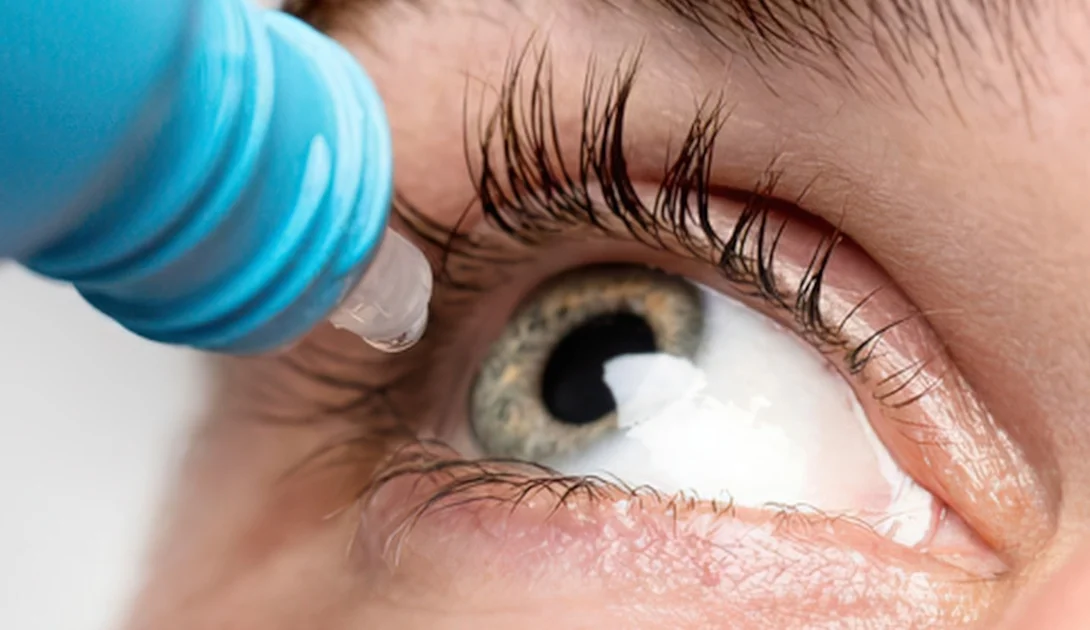
The U.S. Food and Drug Administration (FDA) has announced a nationwide Class II recall of more than 2.5 million bottles of prednisolone acetate ophthalmic suspension, a commonly prescribed steroid eye drop, after foreign material was discovered in certain lots. Lupin Pharmaceuticals Inc. voluntarily initiated the recall on June 30, 2026, affecting 2,530,182 bottles distributed across the country.
The recall covers prednisolone acetate ophthalmic suspension USP, 1%, available in 5 mL, 10 mL, and 15 mL bottles. Affected products were manufactured by Lupin Limited in Pithampur, India, and are sold under National Drug Codes 70748-332-02, 70748-332-03, and 70748-332-04. Consumers are urged to check their bottles against the FDA’s recall list and consult their pharmacist or healthcare provider if they have concerns.
The FDA classified the recall as Class II, meaning that use of the product may cause temporary or medically reversible adverse health consequences, while the risk of serious health effects is considered remote. Patients who experience eye pain, vision changes, irritation, or any unexpected symptoms after using the eye drops should seek medical attention immediately.
Why the Recall Matters: Risks and Scale
Prednisolone acetate ophthalmic suspension is a corticosteroid used to treat steroid-responsive inflammation of the eye, including conditions affecting the conjunctiva, cornea, and the front portion of the eye. It is a widely prescribed medication for patients recovering from eye surgery, dealing with allergic conjunctivitis, or managing inflammatory eye diseases.
The presence of foreign material—such as metal, glass, or other particles—in ophthalmic products poses serious risks. Even small particles can scratch the cornea, introduce infection, or cause inflammation that worsens the underlying condition. In severe cases, contaminated eye drops can lead to vision impairment or loss.
The recall spans dozens of lot numbers with expiration dates ranging from July 2026 through February 2028. This broad timeline suggests that affected batches have been on pharmacy shelves and in patient medicine cabinets for months, potentially exposing thousands of users to the contaminated product.
This recall is the latest in a series of high-profile eye drop recalls over the past two years. In 2023 and 2024, the FDA recalled dozens of over-the-counter eye drop brands due to bacterial contamination, including Pseudomonas aeruginosa, which led to severe infections, hospitalizations, and deaths. Those recalls prompted the FDA to tighten manufacturing standards for ophthalmic products, especially those produced overseas.
Lupin’s Response and Regulatory Actions
Lupin Pharmaceuticals Inc. stated that the recall was a precautionary measure after the company identified the presence of a foreign substance in certain lots during routine quality testing. The company has not yet disclosed the exact nature of the material found, but the FDA’s enforcement report confirms that the contamination was identified internally before any reports of serious adverse events reached the agency.
The FDA has classified the recall as a Class II, which is defined as “a situation in which use of, or exposure to, a violative product may cause temporary or medically reversible adverse health consequences or where the probability of serious adverse health consequences is remote.” This is a step below a Class I recall, which involves a product that could cause serious health problems or death.
Still, experts caution that any foreign material in an ophthalmic product is unacceptable. Dr. Lisa Chen, an ophthalmologist at Vanderbilt Medical Center, told local news outlets that “even if the risk of permanent damage is low, putting anything foreign into your eye is inherently dangerous. The cornea is highly sensitive, and even a tiny particle can cause significant irritation or infection.”
Lupin has not yet announced whether it will compensate patients or cover the cost of replacement eye drops. Patients are advised to contact their pharmacy for guidance on obtaining alternative medication.
How to Check if Your Eye Drops Are Affected
Consumers who have prednisolone acetate ophthalmic suspension USP, 1% should immediately check the lot number printed on their bottle or packaging against the FDA’s published recall list. The affected lot numbers are widely available on the FDA’s website and have been distributed by news outlets nationwide.
Patients should not use the product if the lot number matches any in the recall. Instead, they should return the bottle to their pharmacy for proper disposal or follow local medication take-back guidelines. If a patient is unsure about whether their lot is affected, they should consult their pharmacist or healthcare provider.
Anyone who has used the eye drops and developed symptoms such as eye redness, pain, blurred vision, discharge, or increased sensitivity to light should seek medical attention promptly. The FDA also encourages healthcare professionals to report any adverse events related to this recall to the agency’s MedWatch program.
Broader Implications: Eye Drop Safety and Global Supply Chains
This recall underscores a growing concern about the safety of ophthalmic products manufactured abroad. The affected eye drops were produced in India, a country that supplies a significant portion of the U.S.’s generic and over-the-counter eye drops. The FDA has increased its scrutiny of foreign manufacturing facilities in response to a string of contamination incidents.
In 2024, the FDA issued a warning letter to several Indian manufacturers after finding unsanitary conditions and quality control failures. The agency also proposed new rules requiring more rigorous sterility testing for all eye drops marketed in the U.S., but those rules have not yet been finalized.
The Lupin recall adds to the pressure on the FDA and the pharmaceutical industry to ensure that supply chains meet higher safety standards. Critics argue that the current system of voluntary recalls and post-market surveillance is insufficient to protect consumers. They point out that by the time a recall is announced, many bottles may already be in use.
The eye drop recall also affects patients’ access to essential medications. Prednisolone acetate is a critical treatment for eye inflammation, and alternative brands may be in short supply. Patients who cannot use the recalled product should consult their doctor to find a suitable substitute. In some cases, other corticosteroids or non-steroidal anti-inflammatory drops may be available.
What This Means for Patients and Healthcare Providers
For the millions of Americans who rely on steroid eye drops for conditions ranging from post-surgical inflammation to chronic eye diseases, this recall is a reminder to always check medication labels and be aware of ongoing safety alerts. The FDA recommends that patients sign up for recall notifications through its website to stay informed.
Healthcare providers should be vigilant in questioning patients who present with unexpected eye symptoms and ask about their eye drop usage. Offices and pharmacies that stock the affected product should remove it from shelves and notify patients who may have received it.
The FDA has not yet announced whether it will inspect Lupin’s Pithampur facility or issue additional enforcement actions. Lupin’s stock price fell slightly on the news, but the company said it is cooperating fully with the FDA and will conduct a thorough investigation.
This recall comes at a time when other safety concerns in the pharmaceutical and consumer goods sectors are making headlines. For example, a recent Cyclospora Outbreak: Over 3,000 Cases of Explosive Diarrhea Reported Across US shows the ongoing challenge of contamination in widely distributed products. While the scale of that outbreak is different, the underlying issue of supply chain quality control remains similar.
Moving Forward: Prevention and Vigilance
The Lupin eye drop recall is a stark reminder that even routine medications can carry hidden risks. The FDA’s Class II classification indicates that while the immediate danger is limited, the contamination should not be taken lightly.
Patients are advised to follow up with their eye doctor if they have used any of the recalled products, even if they have not noticed symptoms. Because some complications may take time to develop, medical monitoring may be prudent.
The FDA will continue to update its recall database and provide additional information as the investigation progresses. Lupin has stated that it will launch an internal review to identify the root cause of the contamination and implement corrective actions.
As the summer travel season heats up with dust advisories and heat waves, the importance of eye health cannot be overstated. Resources like the Dust Advisories Blanket Florida and Arizona as Heat and Storms Create Hazardous Conditions highlight environmental factors that can exacerbate eye irritation, making safe eye drops even more crucial.
For now, the message is clear: check your eye drops, know your lot numbers, and do not use any product included in the recall. Your eyesight is worth the few minutes it takes to verify.
Comments