
Explosive Diarrhea Outbreak Surpasses 3,000 Cases as CDC Races to Find Source
A parasitic infection causing uncontrollable, explosive diarrhea is sweeping across the United States at alarming rates, with over 3,000 confirmed cases reported as of July 10, 2026. Health authorities are scrambling to identify the contaminated food source driving the surge, which has hit Michigan, New York, Ohio, Illinois, and North Carolina the hardest.
According to NBC News’ latest tally based on state health department data, the number of cyclosporiasis cases has exceeded 3,000—far surpassing the 843 cases officially reported to the U.S. Centers for Disease Control and Prevention (CDC) as of July 9. Michigan alone has reported more than 1,500 cases, a staggering increase from its typical annual average of about 50. Ohio has confirmed 177 cases since early July, while Pennsylvania has recorded 28 cases, with 14 concentrated in the southeastern part of the state.
The CDC, however, acknowledges its official count is a significant undercount. In a July 10 update, the agency stated it is aware of more than 1,500 additional cases that require further analysis to confirm they are domestically acquired. At least 86 people have been hospitalized nationwide. No deaths have been reported.
What Is Cyclosporiasis?
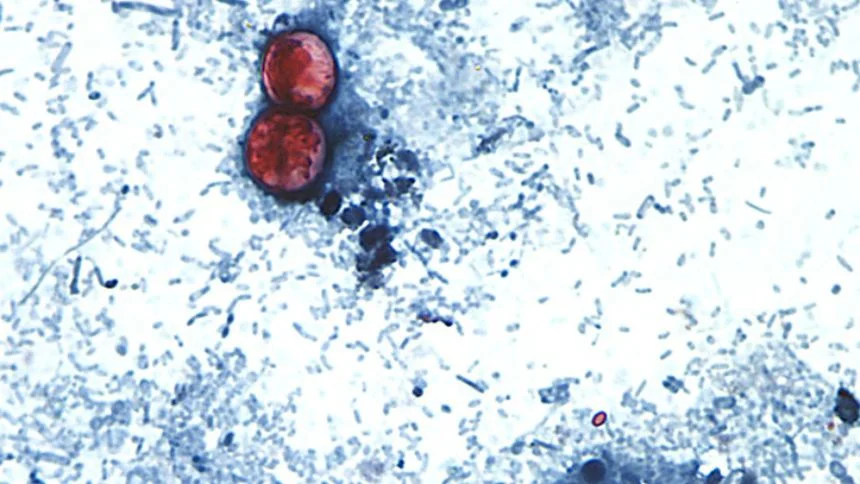
Cyclosporiasis is an intestinal illness caused by the microscopic parasite Cyclospora cayetanensis. The parasite is endemic in tropical and subtropical regions but causes seasonal outbreaks in the U.S. between May and August. It spreads through the fecal-oral route—meaning a person ingests food or water contaminated with feces from an infected individual.
Once ingested, the parasite infects the small intestine, triggering symptoms that typically appear about one week after exposure. The hallmark symptom is watery diarrhea with frequent, sometimes explosive bowel movements. Many patients report that symptoms resolve only to return later in a relapsing pattern. Other common signs include abdominal cramps, bloating, nausea, fatigue, loss of appetite, low-grade fever, and vomiting.
Symptoms can persist anywhere from a few days to more than a month if untreated. While the infection is rarely life-threatening, the CDC notes that people with weakened immune systems face greater risk. Most otherwise healthy individuals recover without medical intervention, though antibiotics are available to shorten the illness.
States Hit Hardest: Michigan at Epicenter
Michigan has emerged as the epicenter of the 2026 outbreak. Dr. Natasha Bagdasarian, the state’s chief medical executive, described the sharp increase as “highly unusual.” The state typically sees around 50 cases annually, but this year’s tally has already climbed past 1,500—making it the largest cyclosporiasis outbreak in Michigan history and one of the biggest nationally in recent years.
Dr. Brian Kaminski, vice president of medical affairs at ProMedica Health System, which serves patients in Michigan and Ohio, told NBC News: “When we started seeing cases of persistent diarrhea showing up, we knew there’s something going on. I would say that trend continues.”
Ohio is the second most affected state, with 177 cases reported as of July 2. New York, Illinois, and North Carolina round out the top five. In total, 31 states have reported cases to the CDC since May 1, though the agency’s surveillance network lag means many more may be undetected.
Why This Outbreak Is Unprecedented
The scale of the current outbreak marks a dramatic departure from previous years. In 2024, Pennsylvania recorded 87 cases; in 2025, that number fell to 40. This year, the state has already reached 28 cases—a trajectory that could easily exceed past totals as summer progresses.
A Surveillance Gap Complicates Tracking
One factor complicating the response is that in 2025, the CDC made state reporting of cyclospora optional when it scaled back its Foodborne Diseases Active Surveillance Network. This policy change means that not all cases are captured in federal data, making it harder for investigators to spot trends and trace the source early.
Cyclospora is also notoriously difficult to detect. The parasite cannot be reproduced in a lab, and many standard food poisoning tests do not screen for it. Doctors must specifically request stool sample analysis for cyclospora, and even then, multiple samples are often needed to confirm a diagnosis. This diagnostic hurdle means the true number of infections is likely much higher than reported figures suggest.
No Source Identified Yet
As of July 12, health officials have not identified a specific food item or supplier responsible for the outbreak. Historically, cyclosporiasis outbreaks in the U.S. have been linked to imported fresh produce such as basil, cilantro, raspberries, snow peas, and spinach. The CDC and FDA are conducting traceback investigations, but the parasite’s ability to survive on produce for extended periods makes pinpointing the source challenging.
The CDC has stated there is no evidence that the clusters in different states are related, but investigations remain active. Given the widespread geographic distribution of cases, a single contaminated commodity distributed nationally remains a leading hypothesis.
Public Health Response and Prevention Tips
In the absence of a confirmed source, health officials are urging the public and restaurants to practice rigorous food safety measures. The CDC recommends:
- Avoid consuming food or water that may be contaminated with feces.
- Wash all fresh fruits and vegetables thoroughly before eating.
- Cut away damaged or bruised areas of produce where bacteria can thrive.
- Cook food to safe internal temperatures when possible.
- Wash hands with soap and water after using the bathroom, changing diapers, and before preparing food.
Because person-to-person transmission is uncommon, the risk of catching cyclospora from a sick family member is low. The primary concern remains contaminated food.
What to Do If You Have Symptoms
Anyone experiencing persistent watery diarrhea, especially after traveling or eating raw produce, should consult a healthcare provider. Because cyclospora is not detected by routine stool cultures, patients should specifically ask about testing for Cyclospora cayetanensis.
Most people recover without treatment, but the illness can be prolonged. Antibiotics such as trimethoprim-sulfamethoxazole are effective in shortening the duration of symptoms. Those with severe dehydration may require intravenous fluids.
Broader Implications: A Wake-Up Call for Food Safety
The 2026 cyclosporiasis outbreak highlights persistent vulnerabilities in the U.S. food supply chain. Imported produce—especially herbs and soft fruits—has been linked to multiple past outbreaks, yet regulatory oversight faces challenges due to the global nature of modern agriculture.
The Impact of Reduced Surveillance
Public health experts warn that the CDC’s decision to make cyclospora reporting optional could hamper future outbreak detection. Without mandatory reporting, state health departments may not prioritize testing, allowing cases to go unnoticed until clusters become large and widespread.
The current outbreak demonstrates the consequences. Michigan did not realize the scale of its outbreak until over 1,000 cases had already been diagnosed. By then, the contaminated food—whatever it is—had likely already moved through the supply chain, exposing thousands more consumers.
A Summer of Health Concerns
This outbreak comes at a time when Americans are already preoccupied with summer travel and outdoor activities. For those planning vacations, the prospect of weeks of explosive diarrhea is a sobering reminder to practice food safety vigilance, even at home.
The illness places a burden not only on individuals but also on healthcare systems. Many patients require multiple doctor visits, stool tests, and sometimes hospitalization for dehydration. The economic cost in lost workdays and medical expenses adds up quickly.
Meanwhile, other health stories continue to develop. For those following major sporting events this July, the World Cup Final 2026 is set for July 19 as the semifinal field takes shape. And on the tennis front, Sinner and Zverev are set for a Wimbledon final showdown after dominant semifinal wins.
What Comes Next
As investigations continue, health officials expect case counts to rise. The incubation period for cyclospora is about one week, meaning cases linked to contaminated food consumed in late June and early July are still being reported.
The CDC has deployed epidemiologists to assist state health departments in Michigan, Ohio, and other affected states. The FDA is conducting traceback investigations on suspicious produce items, but results may take weeks.
In the meantime, the public is advised to remain cautious but not alarmed. Cyclosporiasis is unpleasant but rarely dangerous for healthy individuals. By following basic food safety guidelines, consumers can significantly reduce their risk.
For the latest updates, the CDC maintains a cyclosporiasis outbreak investigation page. Americans are encouraged to report any suspected cases to their local health department to aid the ongoing investigation.
This outbreak serves as a stark reminder that foodborne illness remains a persistent public health challenge, one that requires vigilance from regulators, producers, and consumers alike.
Comments